
Inventing Impressionism at the National Gallery
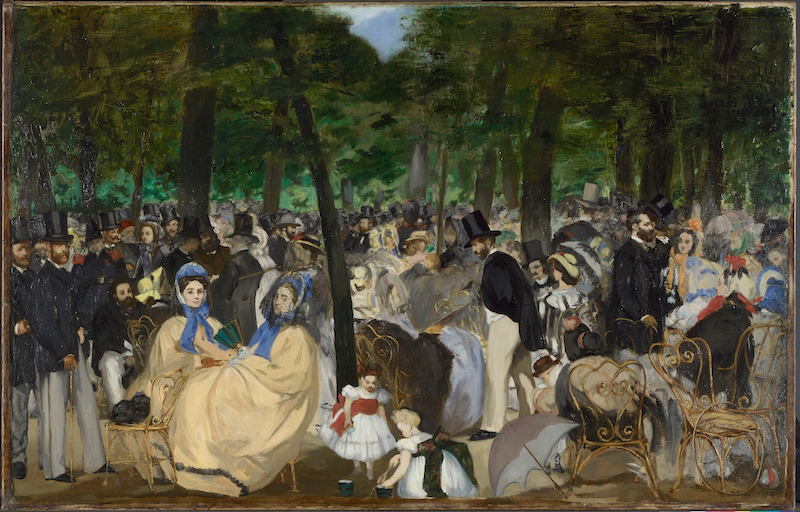


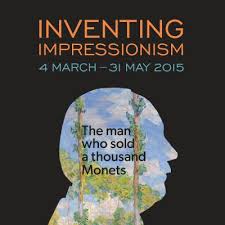
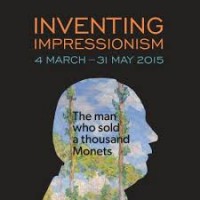
Impressionism is no longer considered a controversial art movement, but in the 1870s it was universally disparaged and mocked. Paul Durand-Ruel was an art dealer who risked fortune and reputation to support the movement and its artists. He is now accepted as a founding father of Impressionism and key in developing the now established practices of modern art dealers.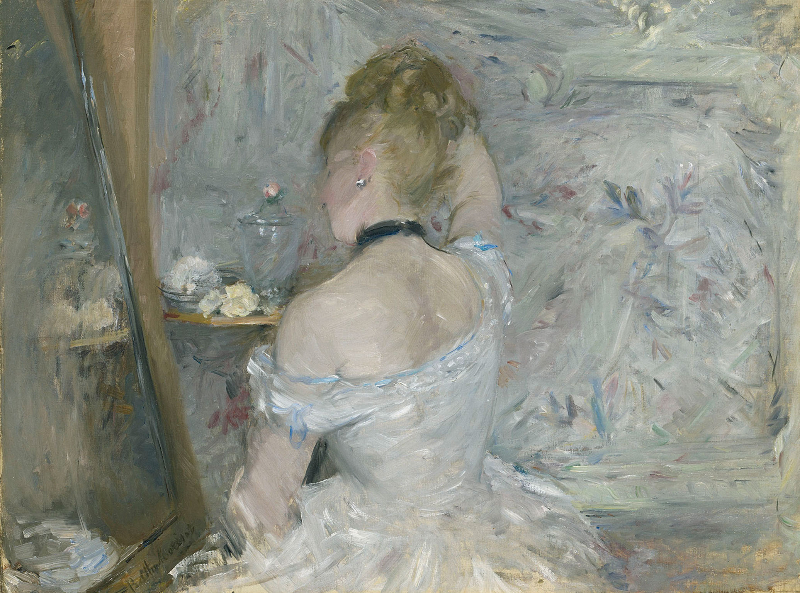
There are a number of jewels on display here. Though Durand-Ruel was a devoted Catholic, attending mass every morning, the artists he supported were creating some of the most provocative art of the period. Gustave Courbert’s Woman in the Waves, depicts a nude Venus-like figure in the sea, complete with underarm hair. It’s a breathtaking piece.
Durand-Ruel displayed the paintings in his home, as well as his gallery, to demonstrate how people could live among such art. His own apartments were open for viewings. The first room of the exhibition has been set up to imitate the grand salon in his apartments, including the recreation of a set of paneled salon doors. The six panels, painted by Monet and gathered together specifically for the exhibition, are an amazing example of Impressionism in a domestic, albeit majestic, setting.
This collector took great risks for the art he loved, buying up 23 of Manet’s pieces at once; a huge investment when there was no fashionable demand for it. It also meant he could control the prices of the works. He understood that bad publicity was still publicity. Renoir’s Study: Torso, Sunlight Effect met with scathing criticism, with one reviewer complaining of Renoir’s depiction of decomposing flesh, refusing to see the varied skin tone of the model as dappled sunlight reflected on the body.
Durand-Ruel had a talent for turning the viewings into events. He publicised a viewing of Monet’s Poplars series as the only time the paintings would be seen together. Once bought, they would be dispersed around the world, never to be seen together again. But the National Gallery has managed to acquire five.
The exhibition charts the story of his confidence in the movement and his final triumph as Impressionism was finally given recognition by the art world. Durand-Ruel was a saviour to these artists and it is commendable that the National Gallery has seen fit to honour his work and achievement.
Tina Squatley-Thrust
Inventing Impressionism is at the National Gallery until 31st May 2015, for further information visit here.











Facebook
Twitter
Instagram
YouTube
RSS