
The Threepenny Opera at the National Theatre

 27 May 2016

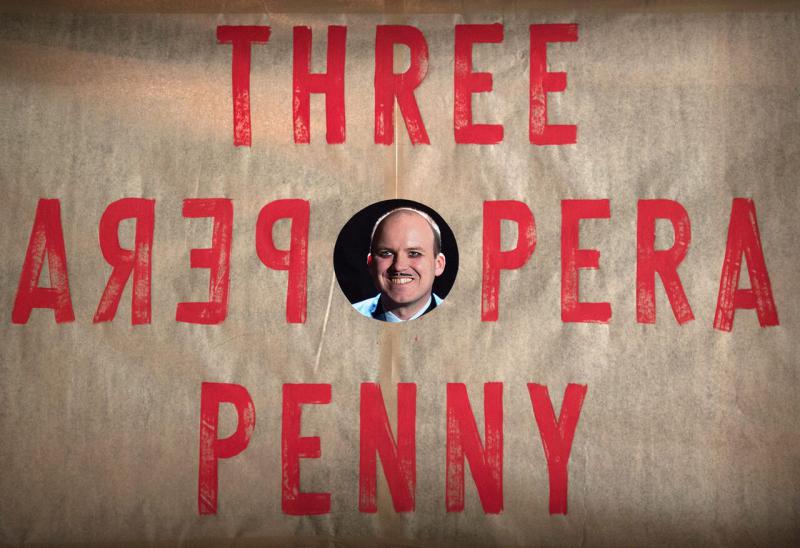
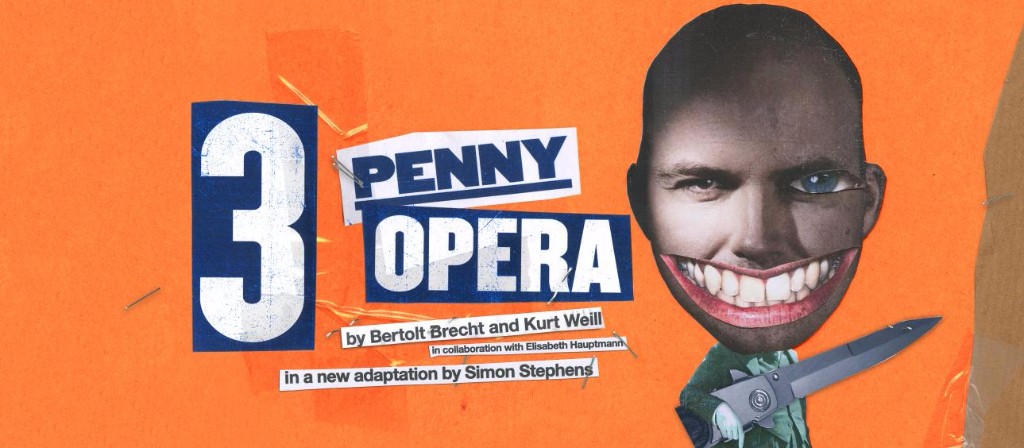
The historical importance of Bertolt Brecht’s musical The Threepenny Opera is inescapable. It first opened in Berlin in 1928, only to be banned by the Nazis because of its author’s Marxist sensibilities. By 1933, when Brecht fled Hitler’s Germany, it had been translated into 18 languages. After WWII it was the first piece of theatre put on in Berlin, some of its actors having just been released from concentration camps. Kurt Weill’s music gave us some of the most enduring songs; The Ballad of Mack the Knife, for example, has been covered by everyone from Sinatra to The Doors.
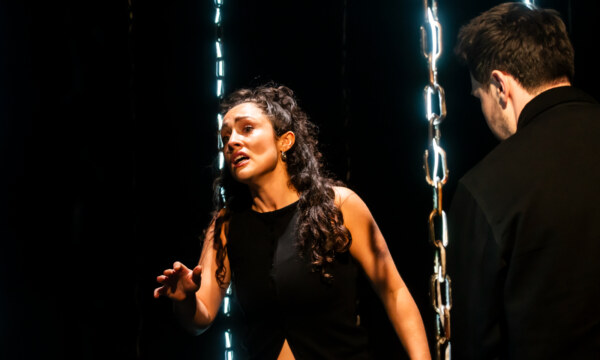
Simon Stephens’ new translation of this classic is full of contemporary swearing (“cock off” and “twat” are well used). Sprawled on the Olivier Theatre’s generous stage, the production by Rufus Norris keeps true to Brecht’s ethos. Attempts at Realism are banished, leaving the wings, lights and stage workings on show. (Being reminded they are at the theatre prompts the audience to focus on the ideas rather than being drawn too deeply into the story.) The characters step outside themselves to acknowledge the play: Mr Peachum yells “Scene change!” as a song finishes.
The revolving stage and set, featuring wooden scaffolding, are in constant metamorphosis, tracing the grimy underworld of Victorian London. Brown parcel paper stuck between frames allows characters to enter dramatically by ripping through. A live band in pinstripes and tailcoats adds to the ragtag cabaret feel.
Although there’s an enticing darkness and enjoyable physical comedy here, the buffoonery of the side characters becomes jarring. In addition, the varying skill of the singers leaves one wishing some of the songs would end a little sooner.
Nick Holder deserves special mention for his deliciously wicked and flamboyant portrayal of leader of the beggars Mr Peachum. Rory Kinnear in the central role of Macheath is calm and upright amid chaos, and with a surprisingly tender singing voice. He also happens to fit the image that Brecht himself had for his protagonist: ”short, stocky” and “a bit bald”.
In Brechtian style, the play closes by turning to probe the audience. The final chorus speaks of the injustice of poverty and challenges viewers to question why they feel compassion for murderer Macheath.
It’s George Ikediashi as the Balladeer who has the privilege of singing, in his smooth baritone, The Ballad of Mack the Knife. You’ll be humming it all the way home.
Laura Foulger
The Threepenny Opera is on at the National Theatre from 26th May until 1st October 2016. Buy your tickets here.
Watch an interview with director Rufus Norris here:
https://www.youtube.com/watch?v=LLwmS86CSJQ






Facebook
Twitter
Instagram
YouTube
RSS