
Western Sicily: The cradle of Mediterranean culture
 1 December 2020
Once upon a time the Mediterranean Sea was the cradle of European culture. More than 3,000 years ago, along its coast, populations and communities started to gather; shortly after, they began to navigate the sea and trade with each other. Essentially, the Mediterranean people carried out the first cross-border transactions in history.
Over the centuries, Sicily has been the south to north intersection for migrating populations, as well as from east to west (and vice versa), along the sea. In fact, in addition to being the largest island in the Mediterranean, Sicily is located right at the centre of it, and its coast has become a natural dock for watercraft sailing its surrounding waters. Many people coming from North Africa, Greece, the Balkans, Turkey and the Middle East ended up settling there, making the island a natural laboratory of cultural and ethnic blending.
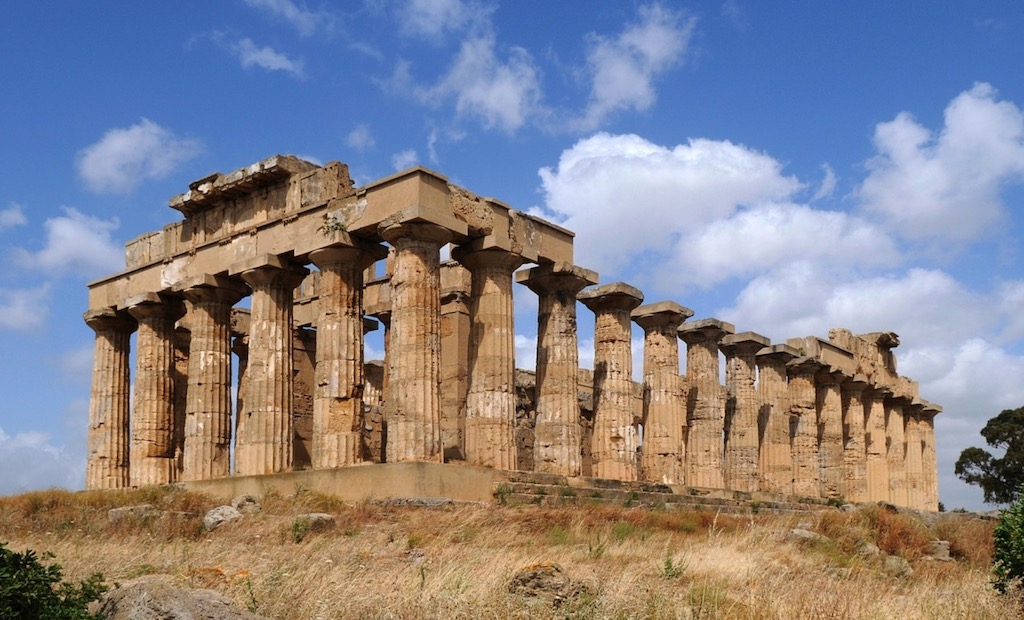
In Antiquity, Sicily – along with large portions of mainland southern Italy – was known as Magna Graecia, a sort of Greek province; colonial settlements coming from the Greek peninsula and archipelago were numerous, especially along the eastern and southern coasts. Even today, entire, impressive cities with the vestiges of the era are clearly visible – just think of Siracusa and Taormina, with their magnificent Greek theatres, the open-air stages both perfectly preserved and 1,500 and 1,700 years old, respectively.
Slightly more secluded, the city of Agrigento is equally rich in historic monuments and archaeological remains (most of them preserved in the city’s museums) – and not only from the Greeks, but also from subsequent demographics, in particular, North-African and Arab. This city of 60,000 inhabitants is located on the south-western coast, an area that is easily reachable from almost any part of the Mediterranean. However, despite its favorable position, the surroundings have remained almost untouched: vast rural areas flank the city, providing a wealth of zero-mile domestic agricultural products to the local markets. At the same time, the nearby seaside hotel facilities (especially those in the municipality of Porto Empedocle) are among the best on the island, and cater particularly well to more environmentally aware visitors. In other words, Agrigento isn’t a mass tourism destination – you don’t wander there by chance, you must be determined to get to know this hidden gem of South Italy.
It’s common practice among the regular tourists is to rent a house or an apartment in Agrigento, even (sometimes) a luxury one, because on average the city is reasonably priced and nestles in the less expensive region of Italy. Holiday villas in Agrigento can demand less than half the cost of their counterparts located in more renowned Italian seaside resorts, such as those in Tuscany and North Sardinia. The result is a unique and peculiar characteristic in Agrigento: over the years a parallel community of returning tourists has been established alongside the locals. Today, they are a non-permanent and yet perfectly integrated part of the city’s population.
The editorial unit



















Facebook
Twitter
Instagram
YouTube
RSS