
The Car Man at Sadler’s Wells
 31 July 2026

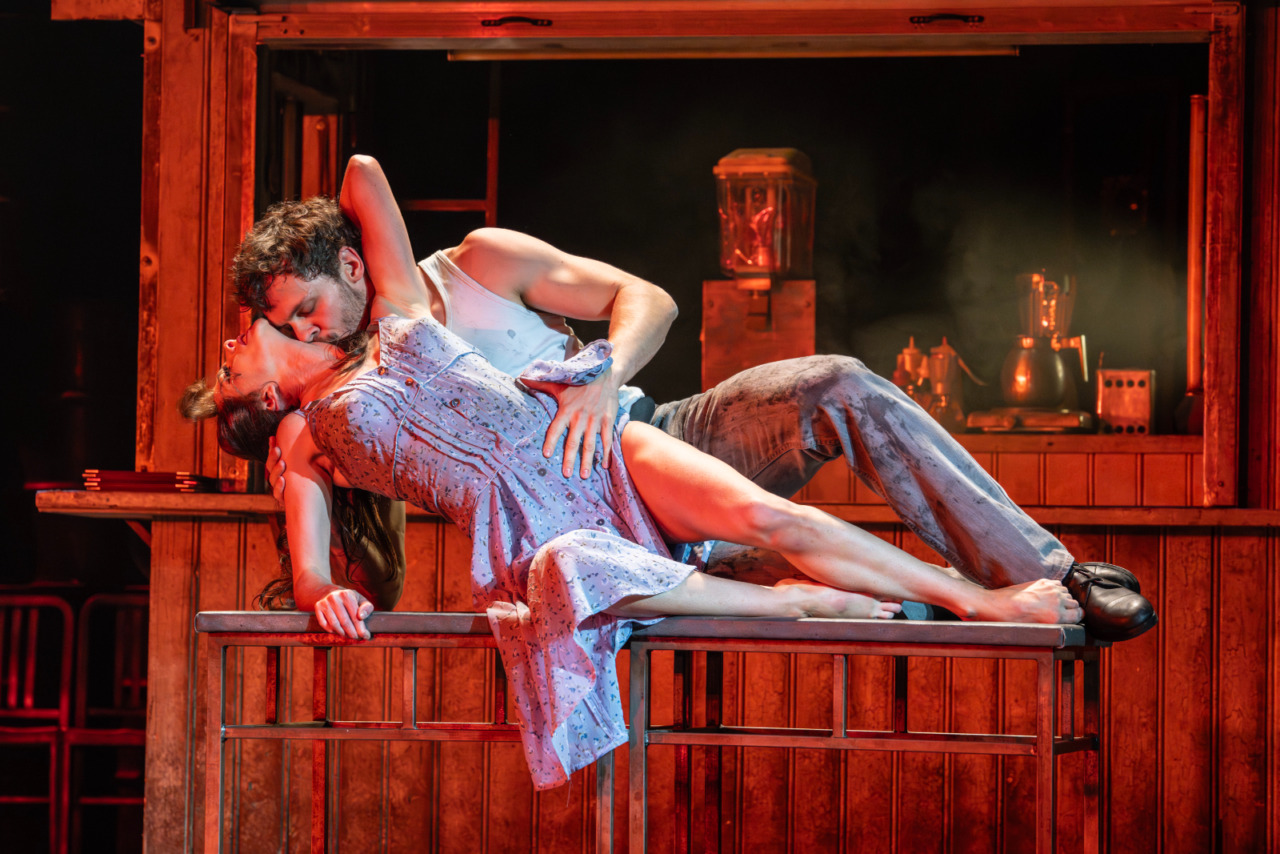
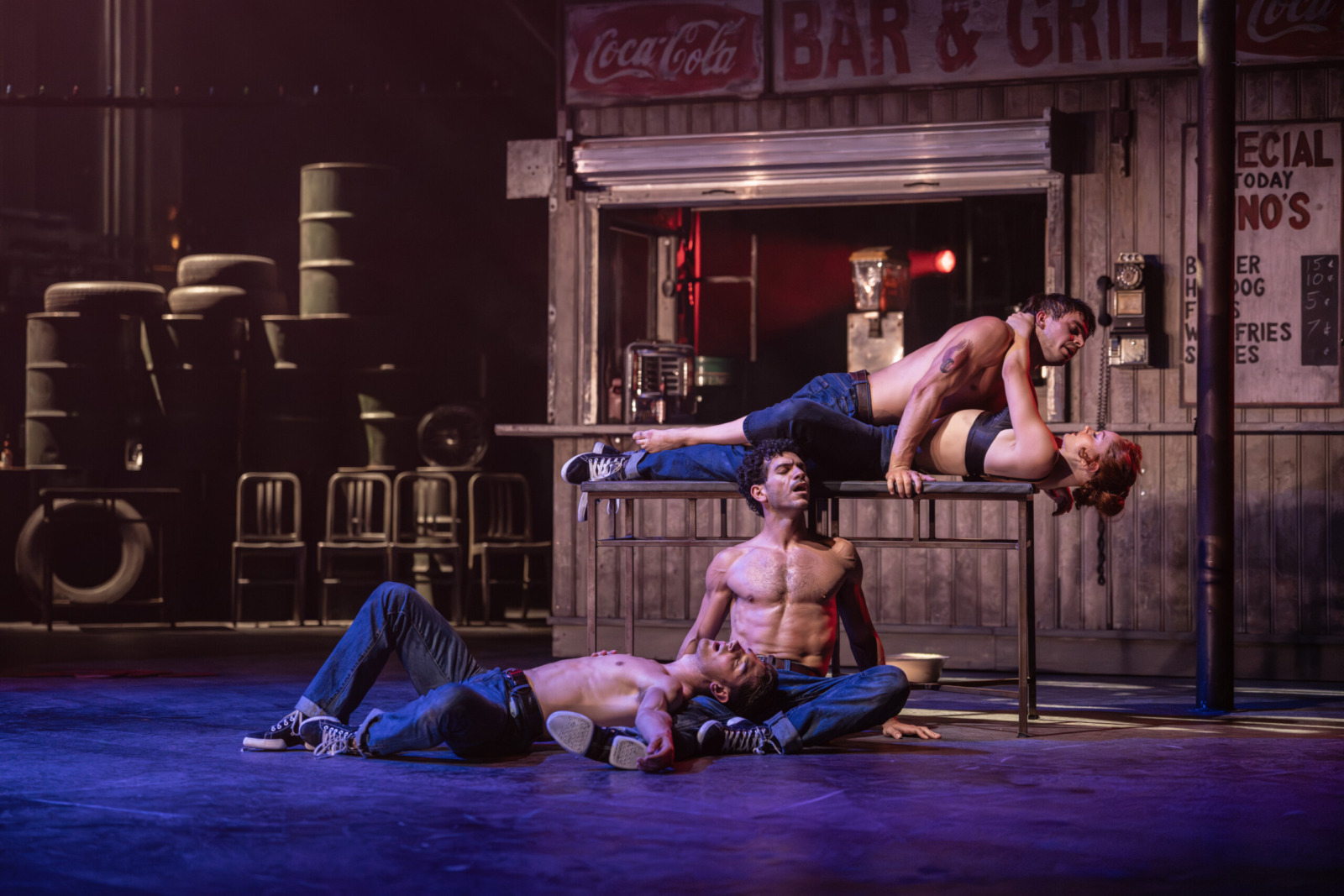
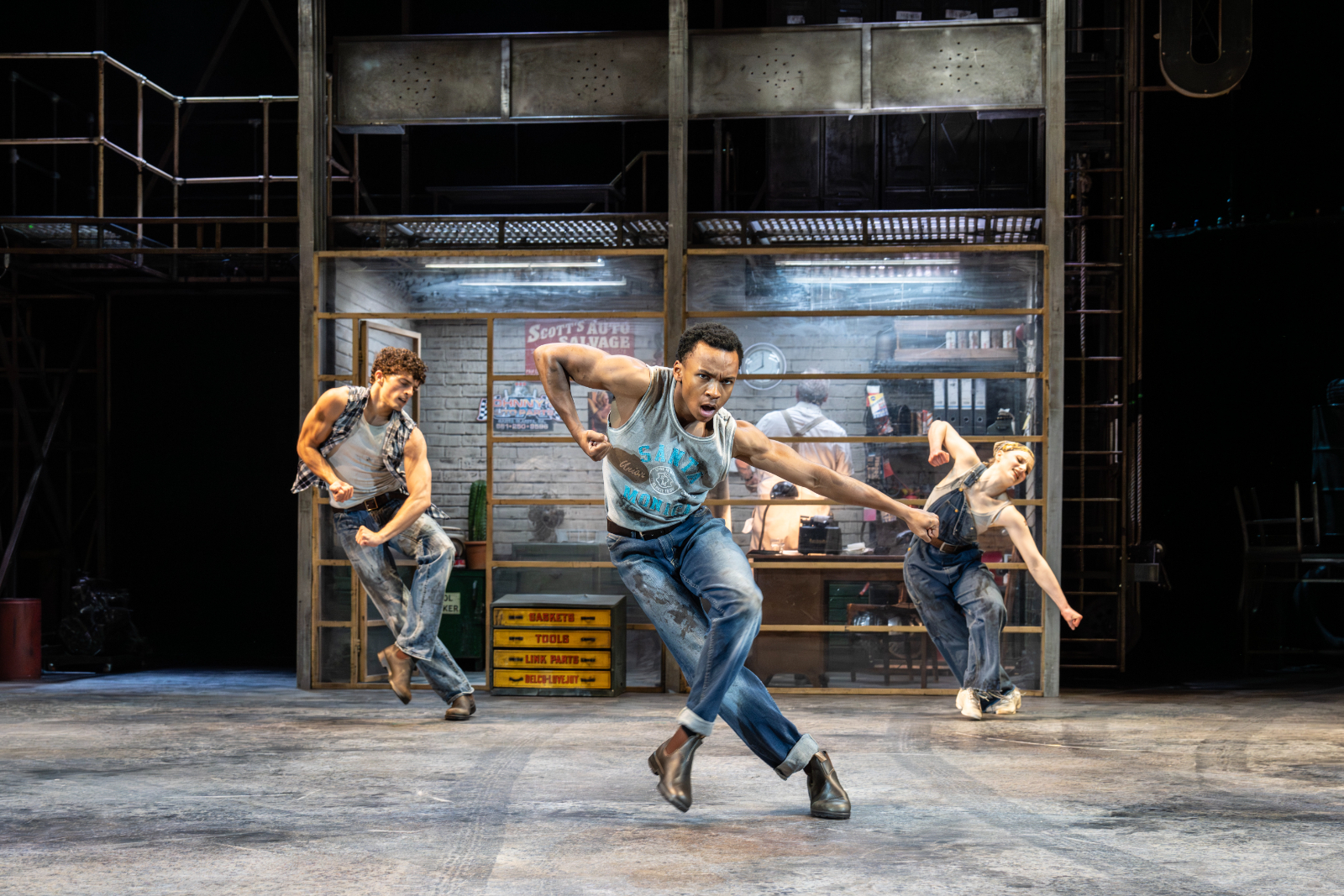
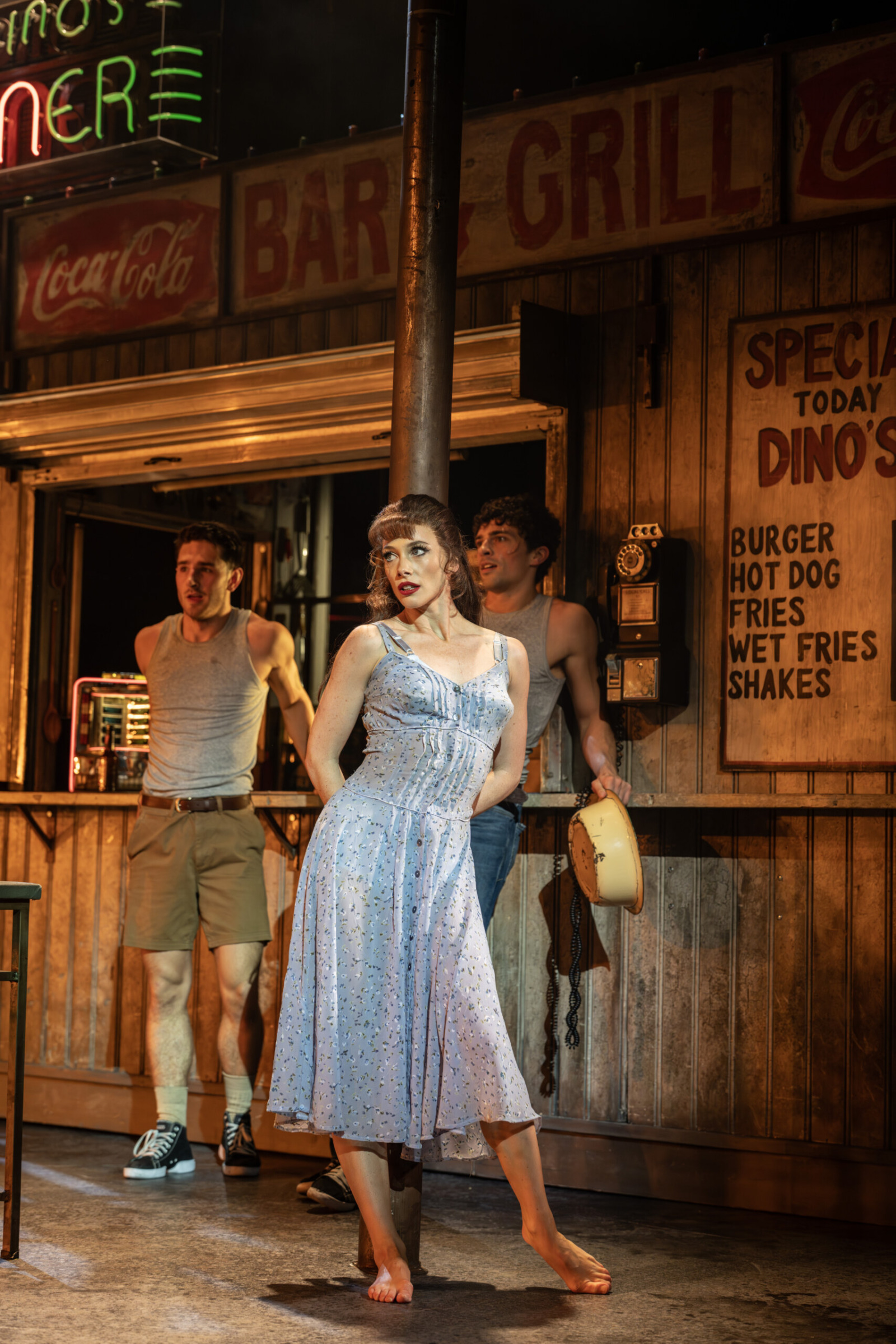
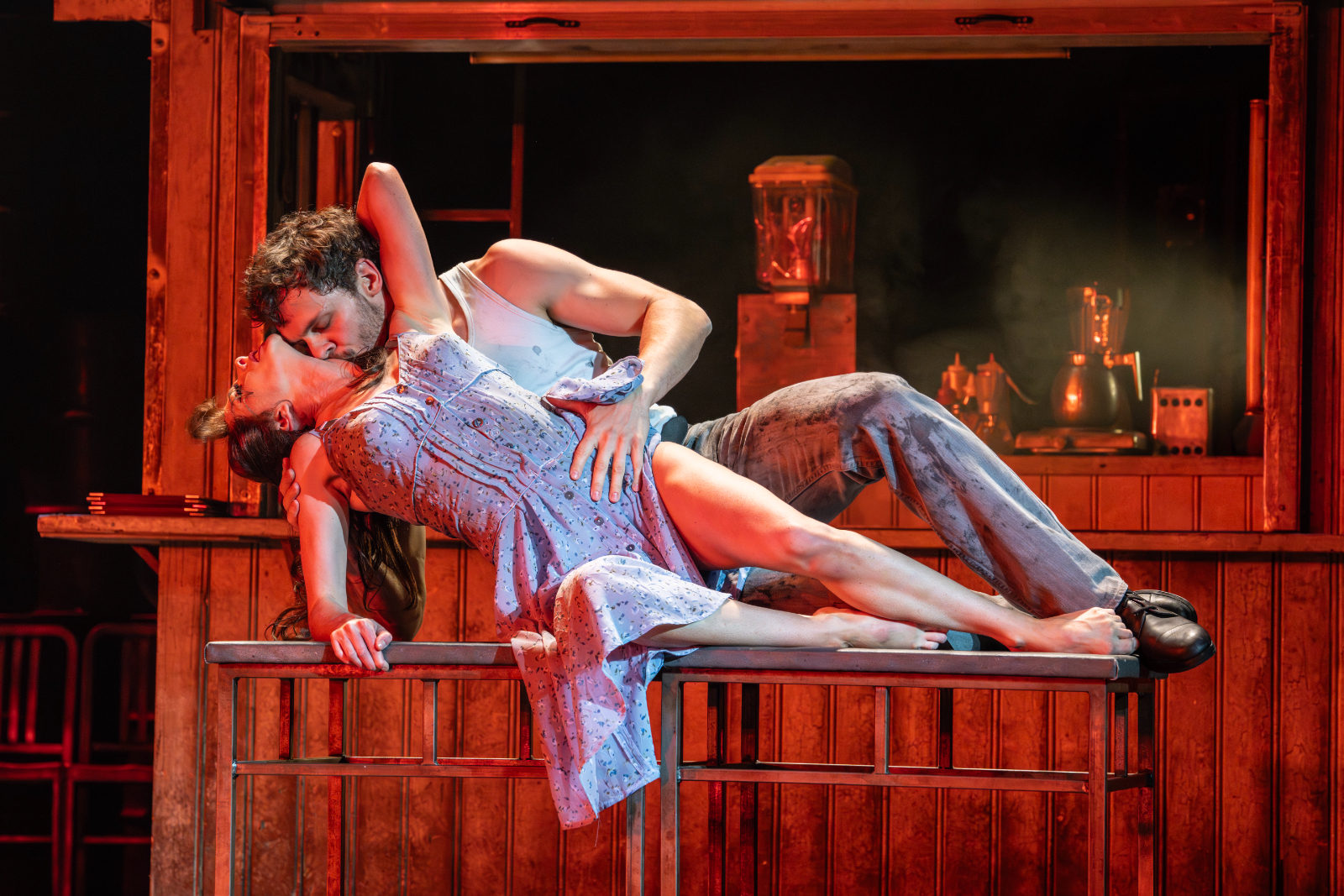
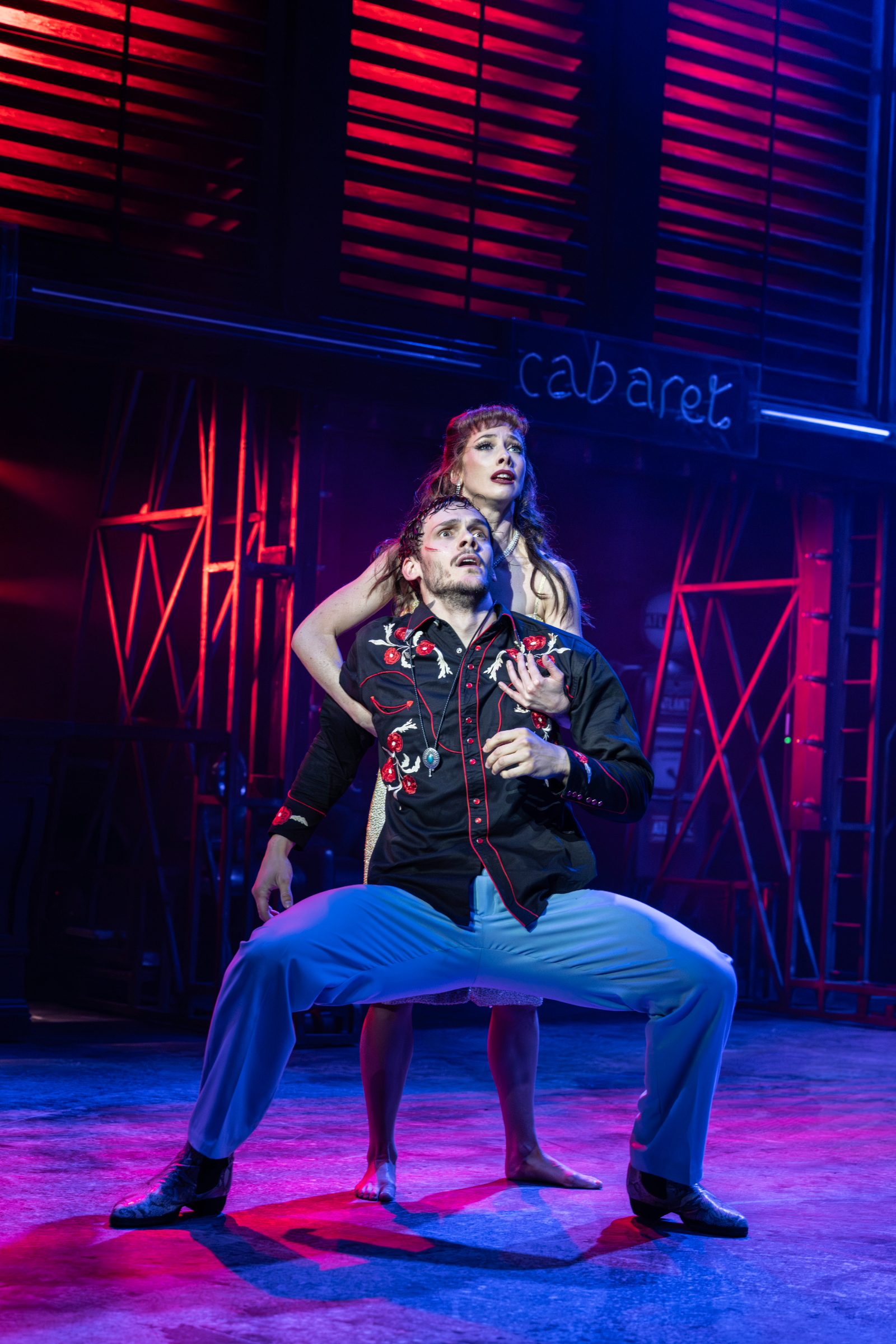
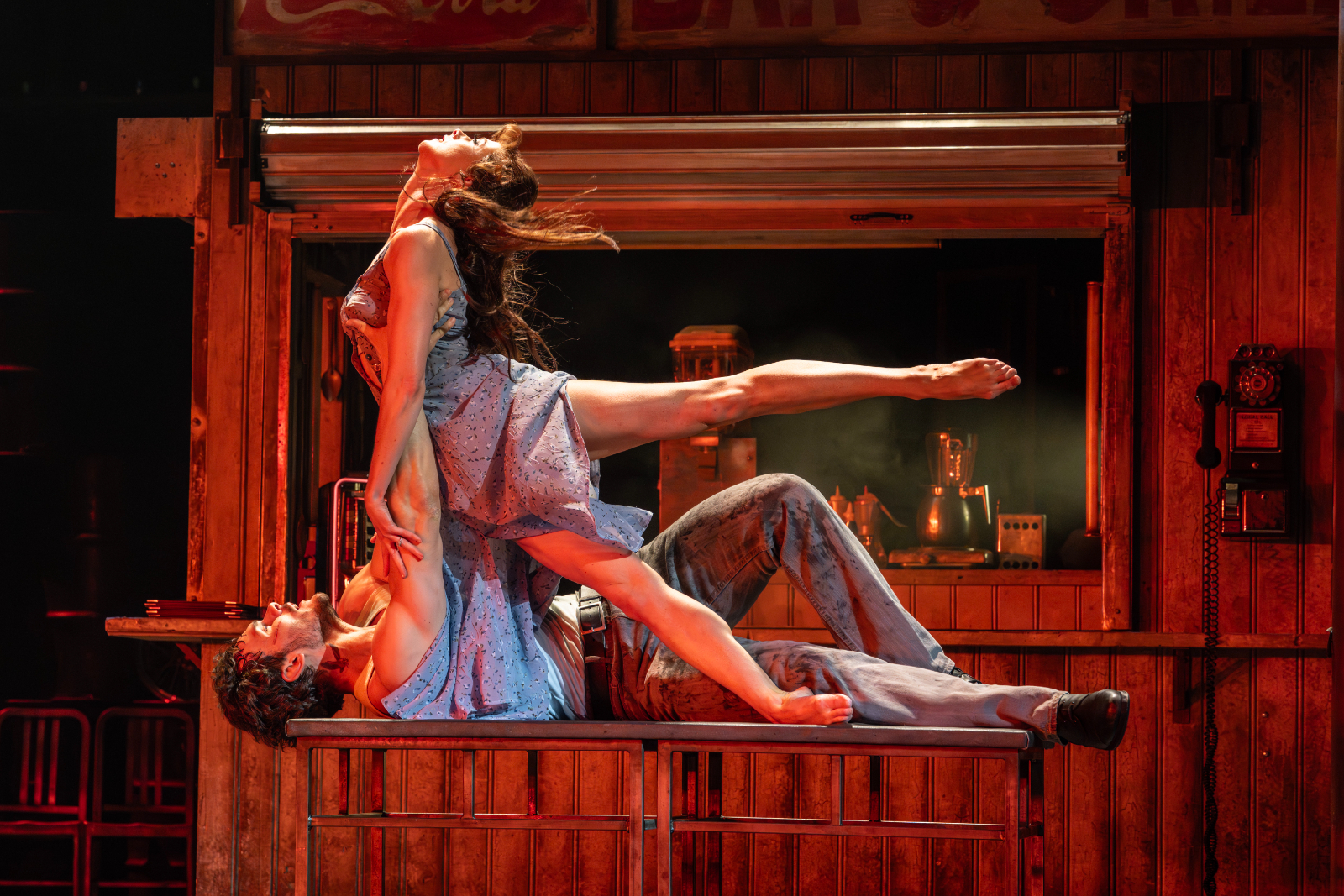
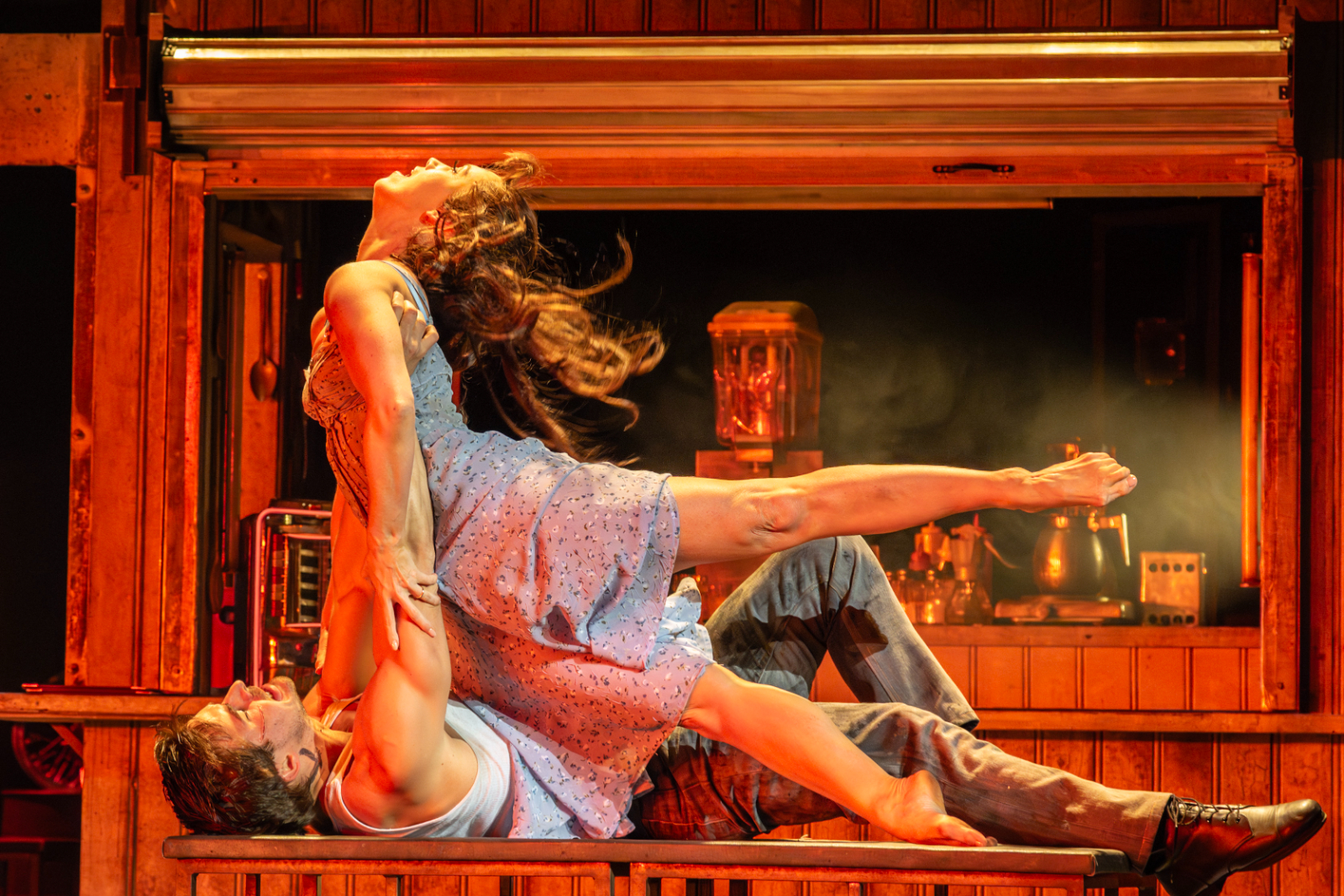
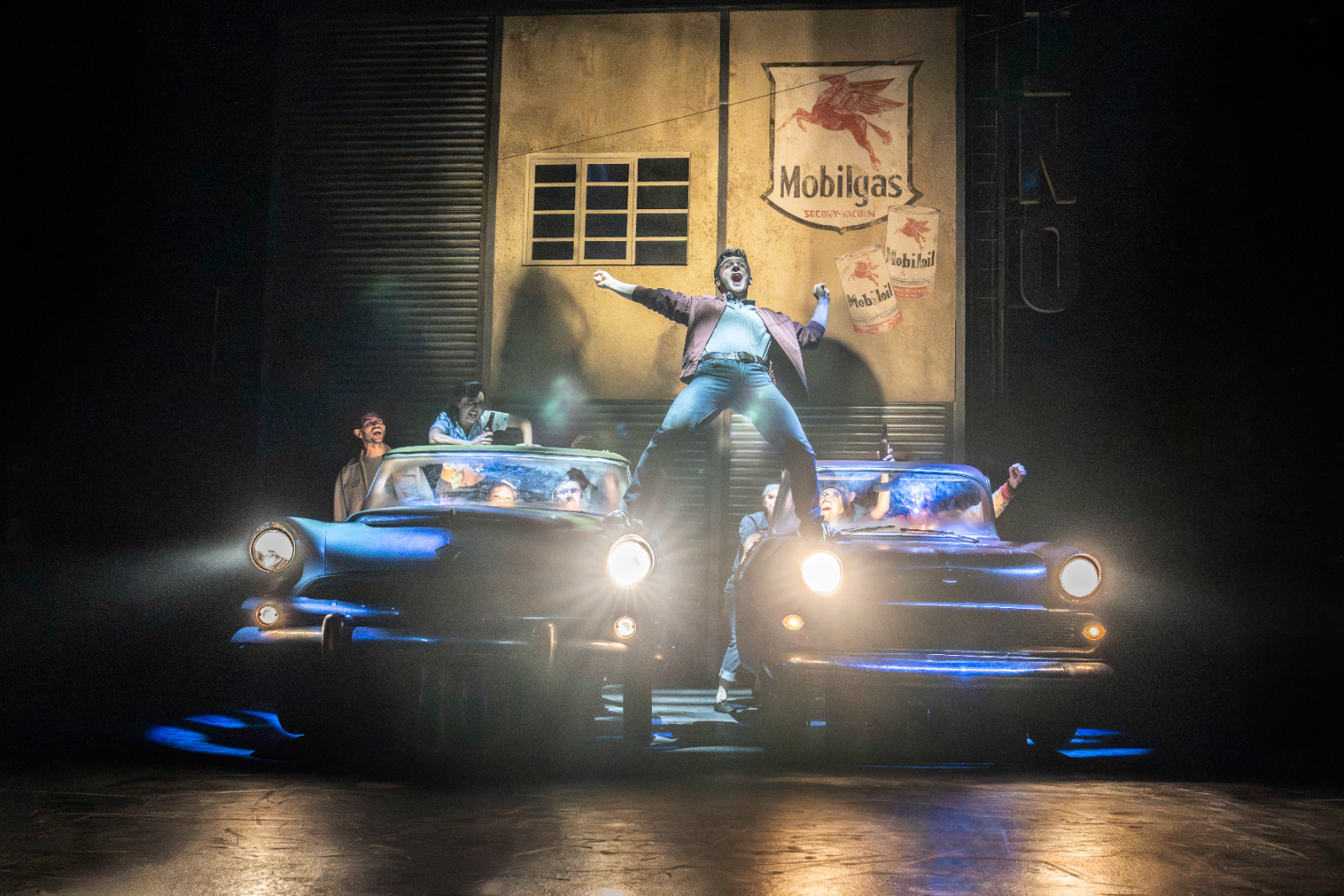
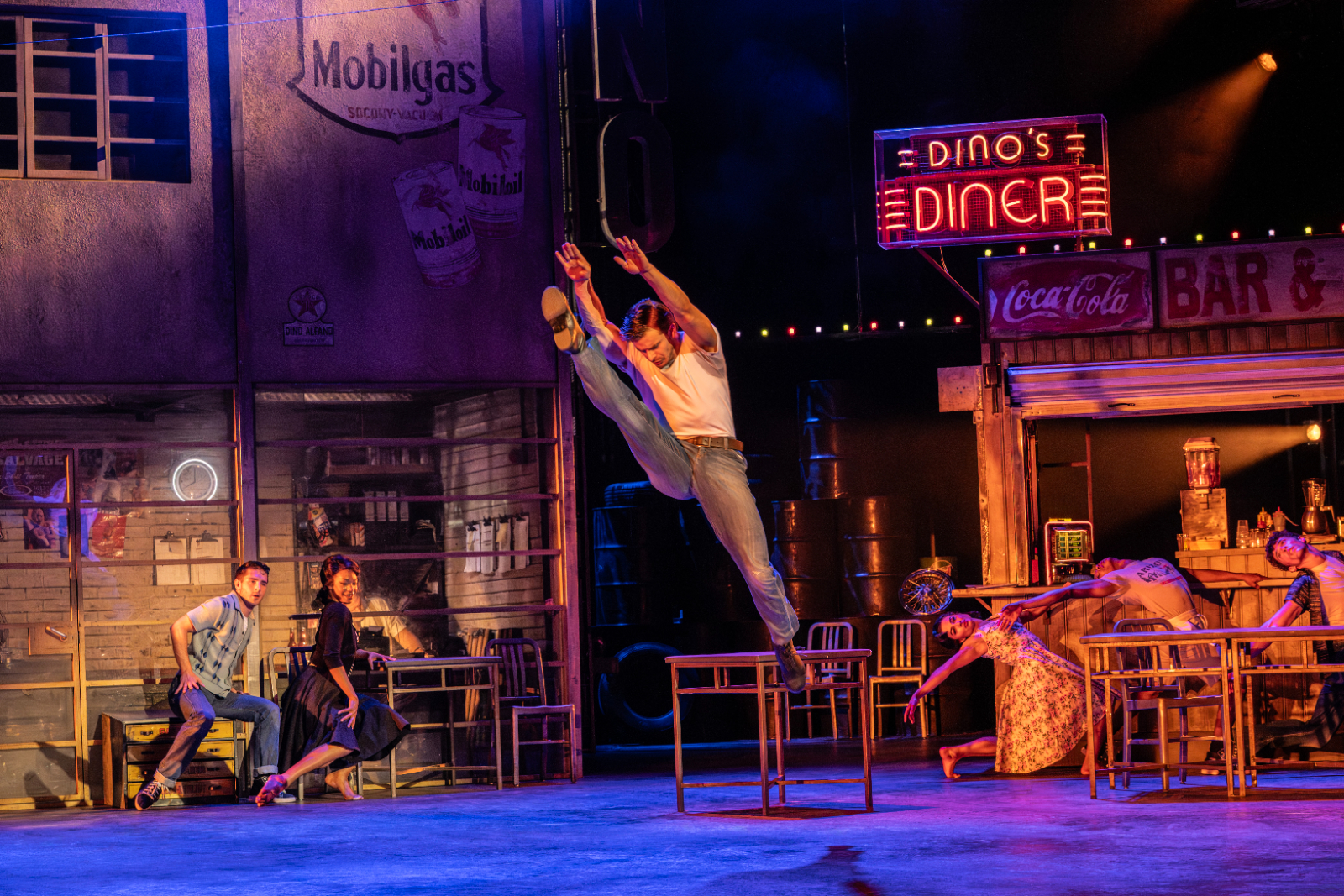
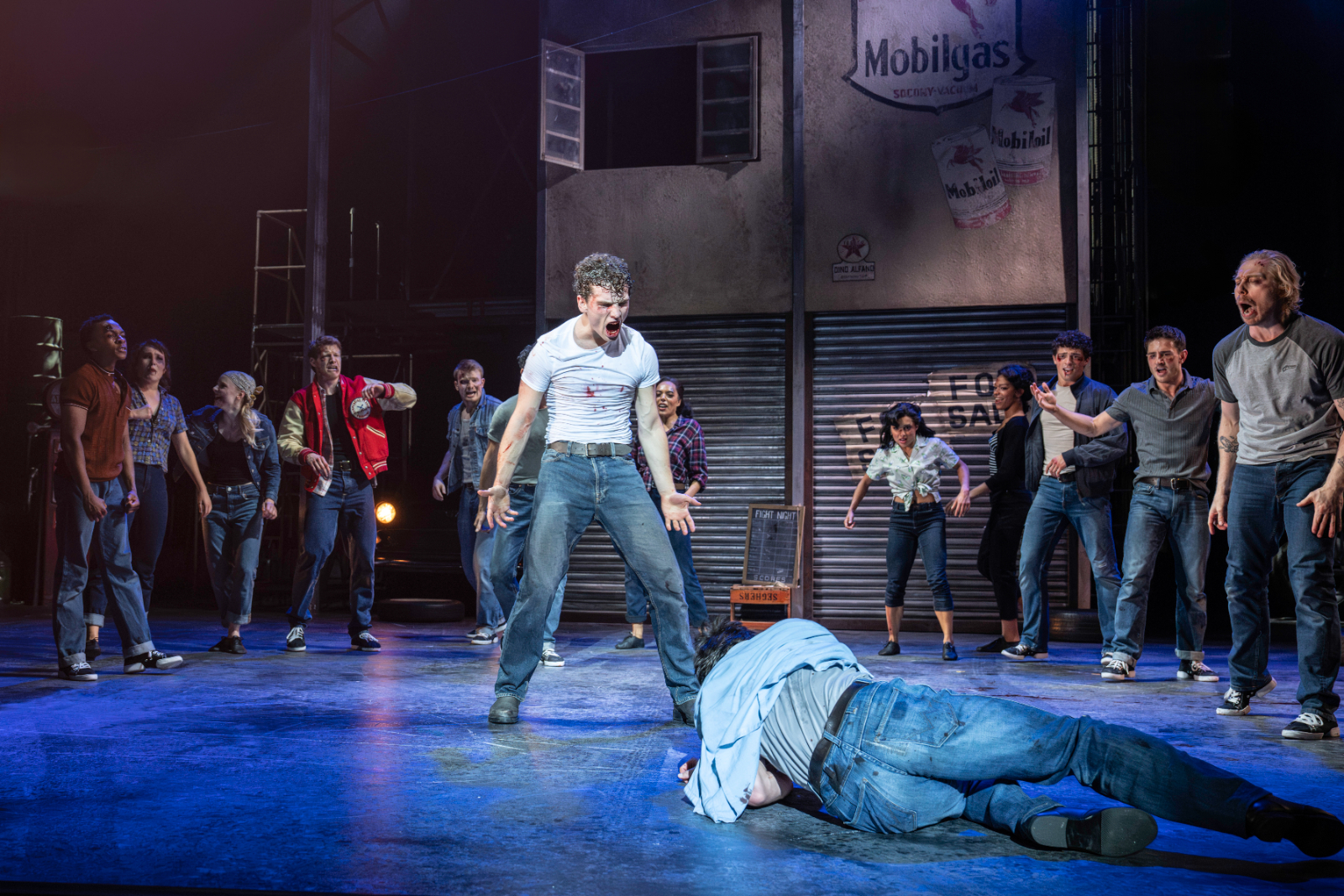
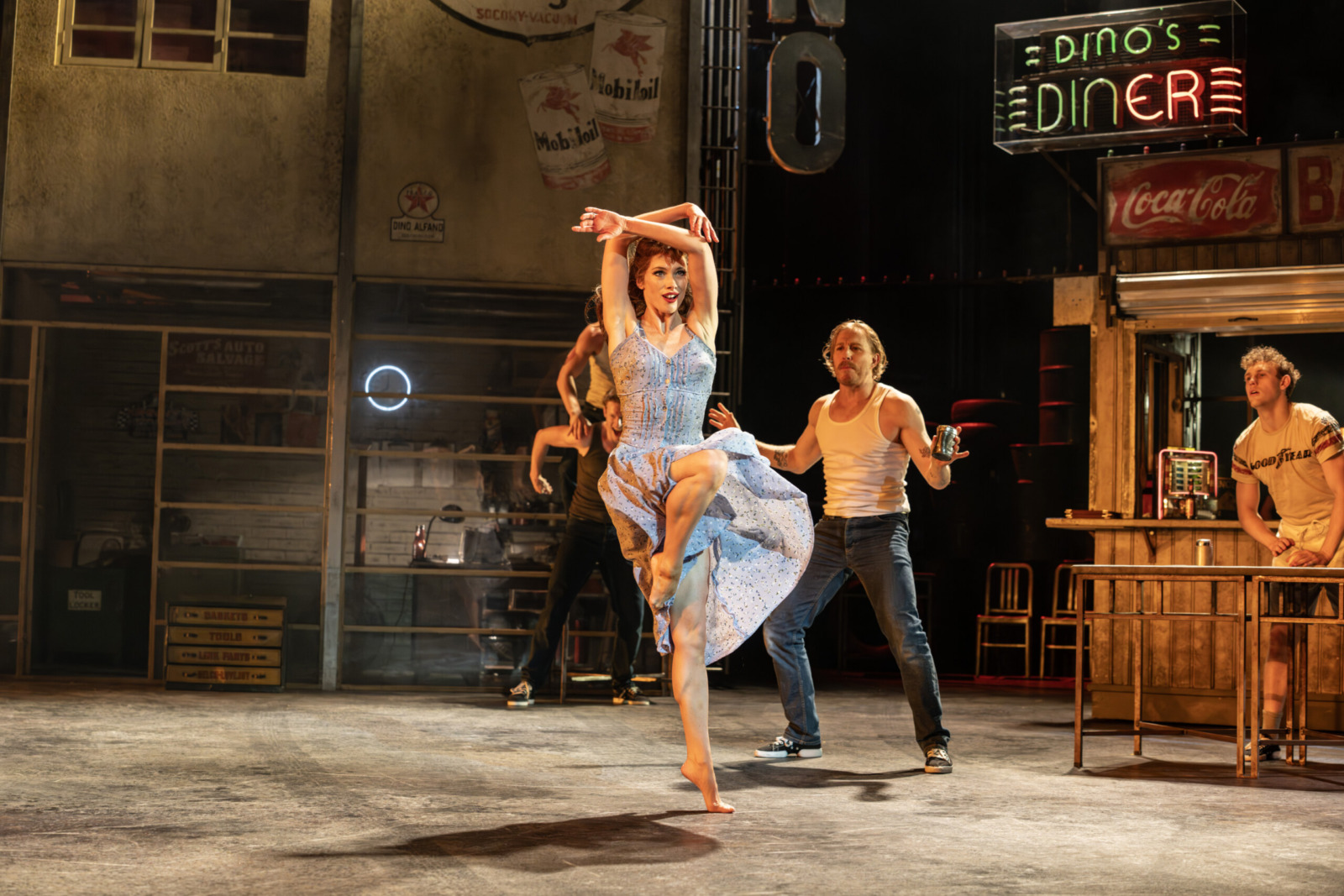
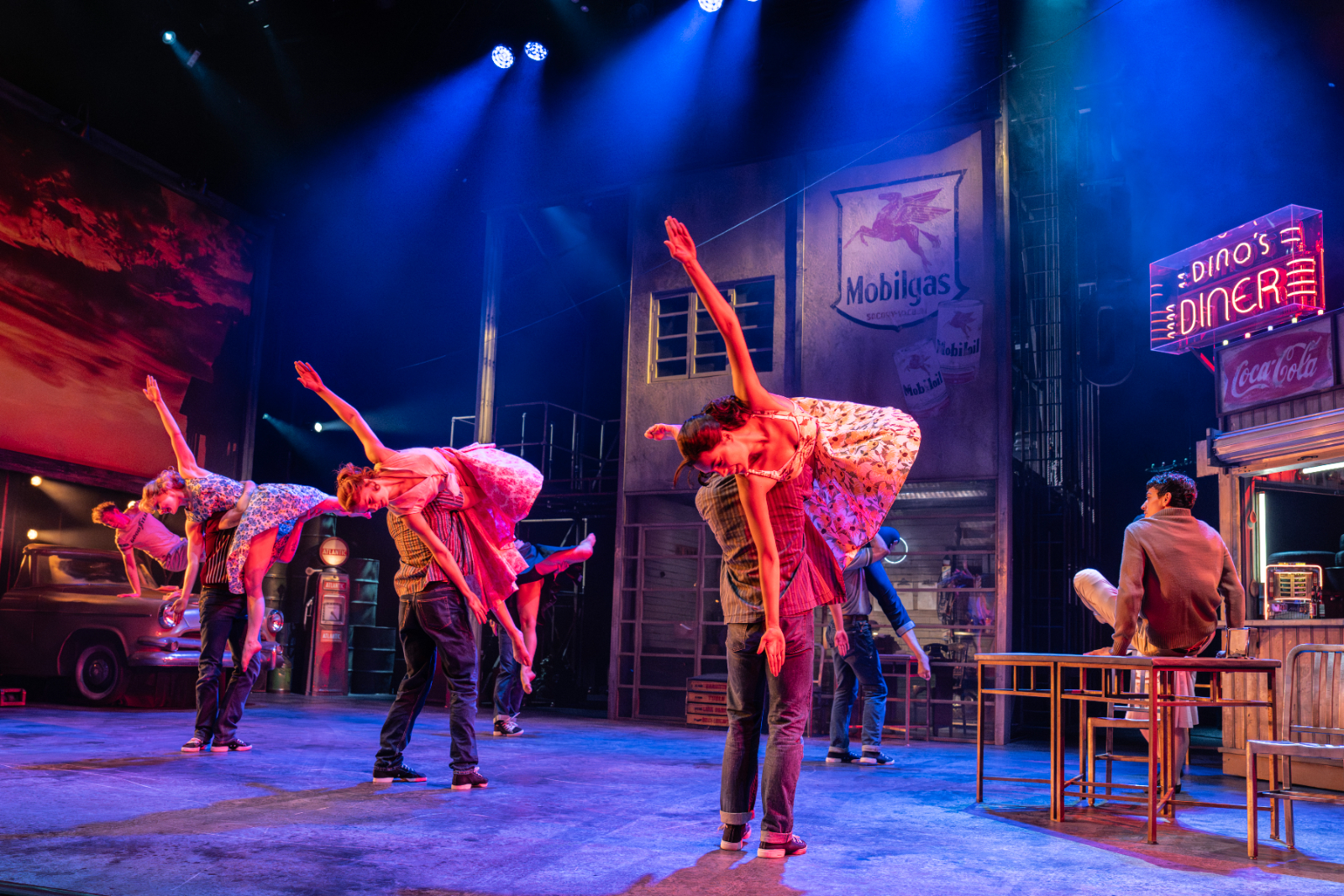
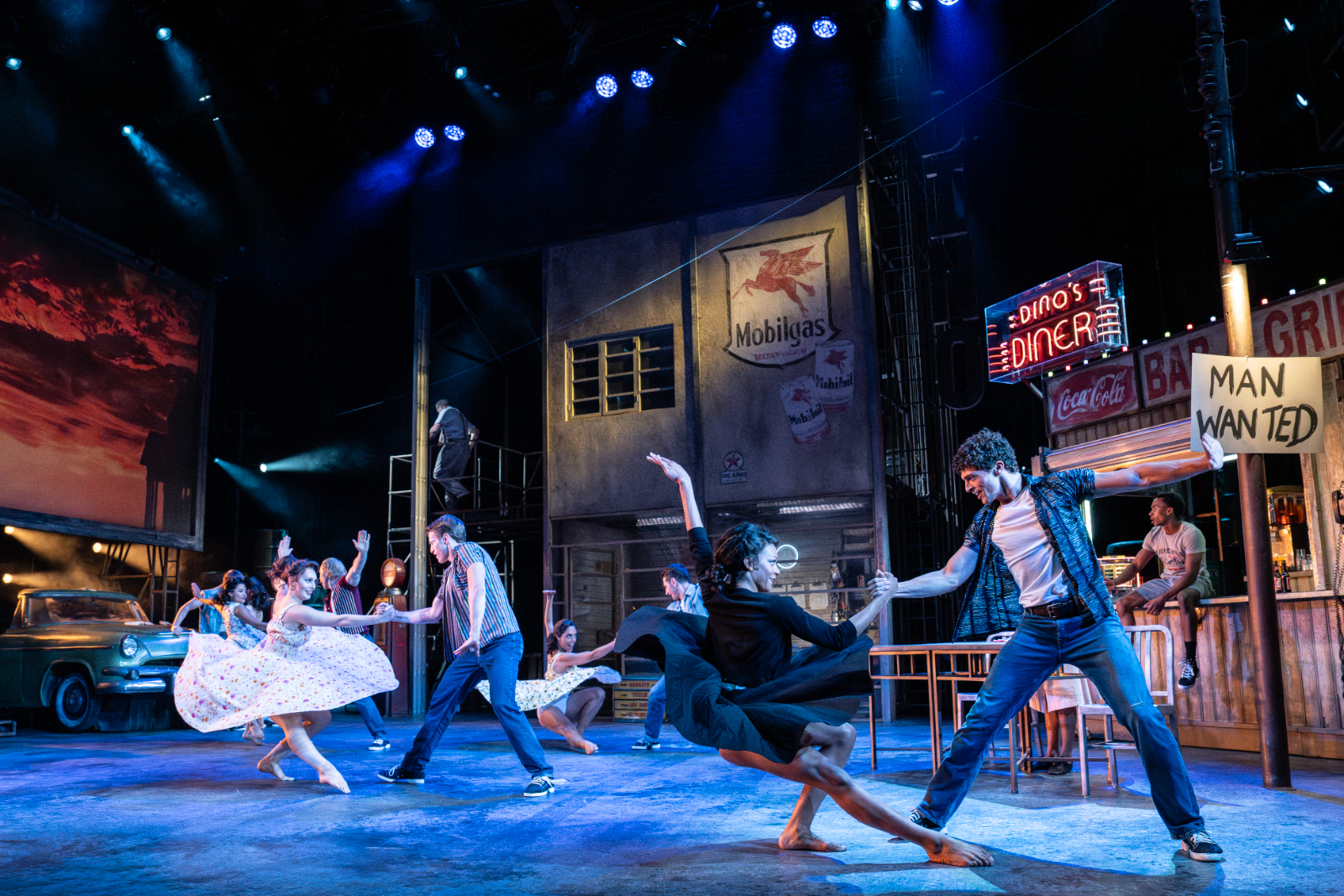
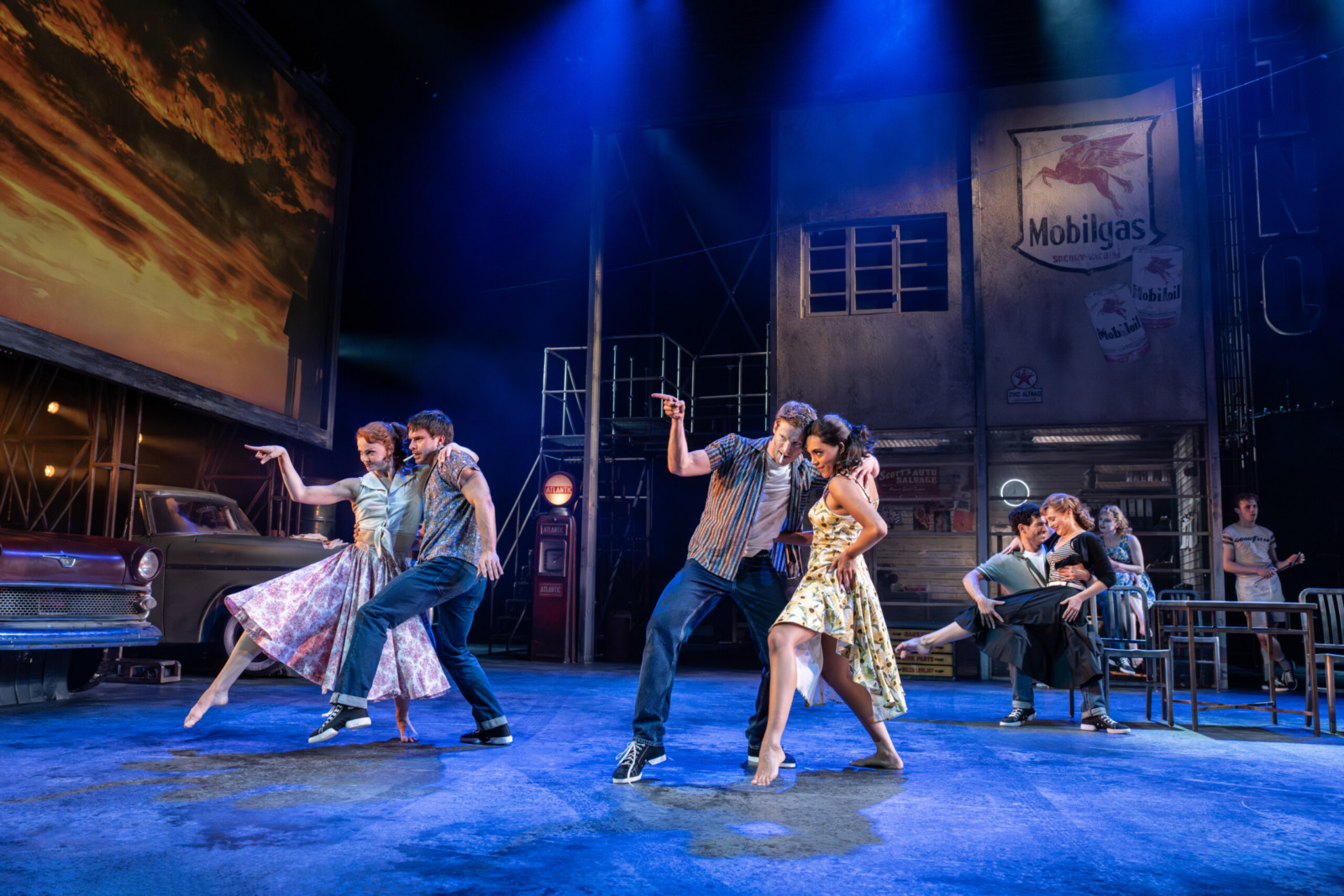
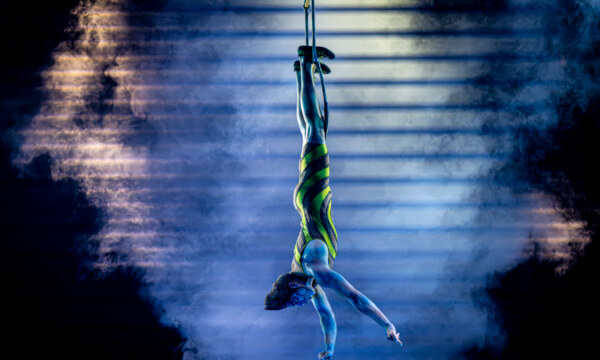
Dancing through the hottest summer in London, by far, is one of the hottest award-winning shows from the mind of Matthew Bourne: The Car Man. Loosely – and the emphasis is on the loosely – based on Bizet’s prevailing opera Carmen, The Car Man (yes, it took this reviewer a while to catch that too) is set in a 1950s American garage-diner where the dramatic score we are used to from Carmen, reimagined by Terry Davies, is combined with energetic, emphatic and at times flawless dance sequences to retell this timeless story.
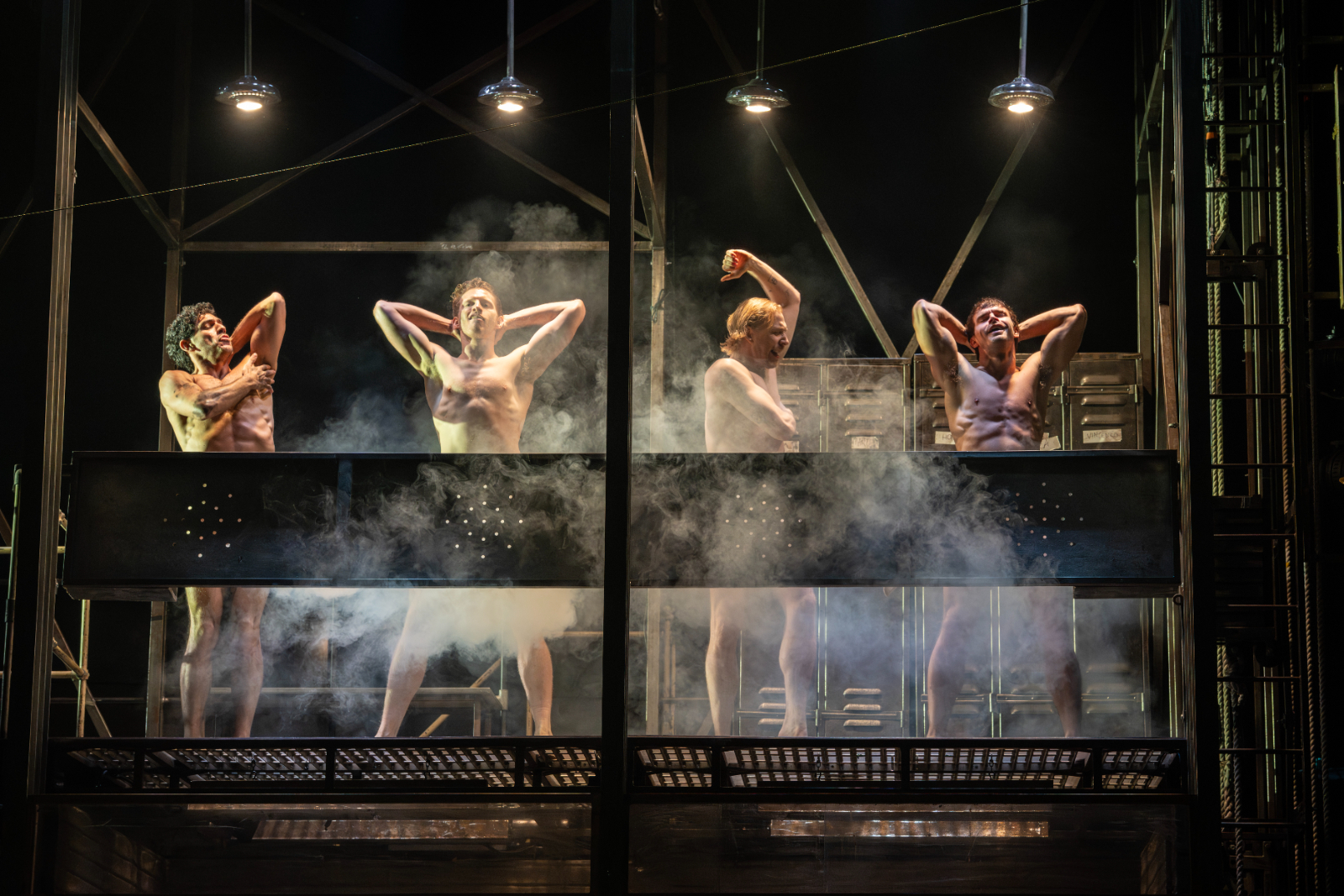
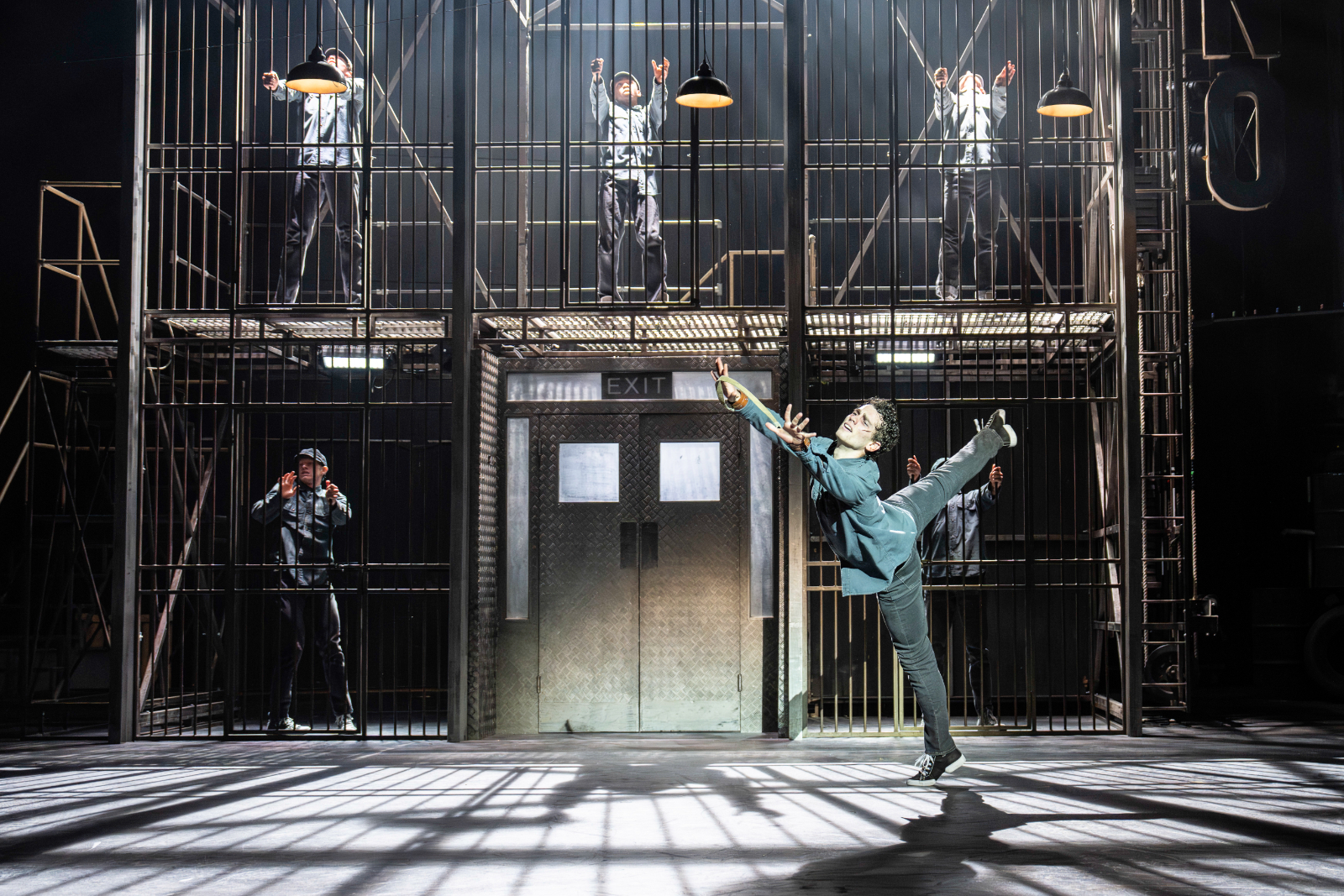
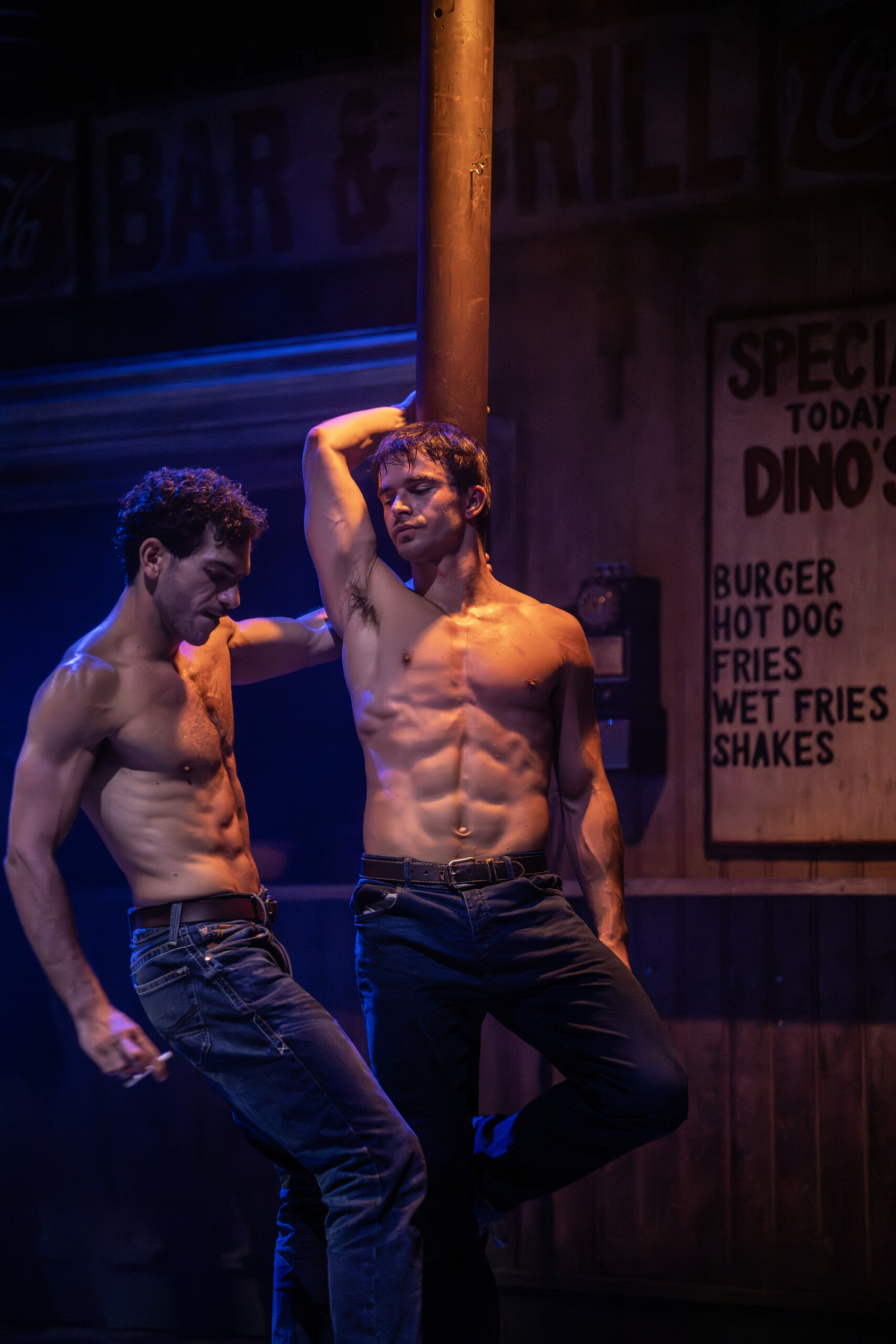
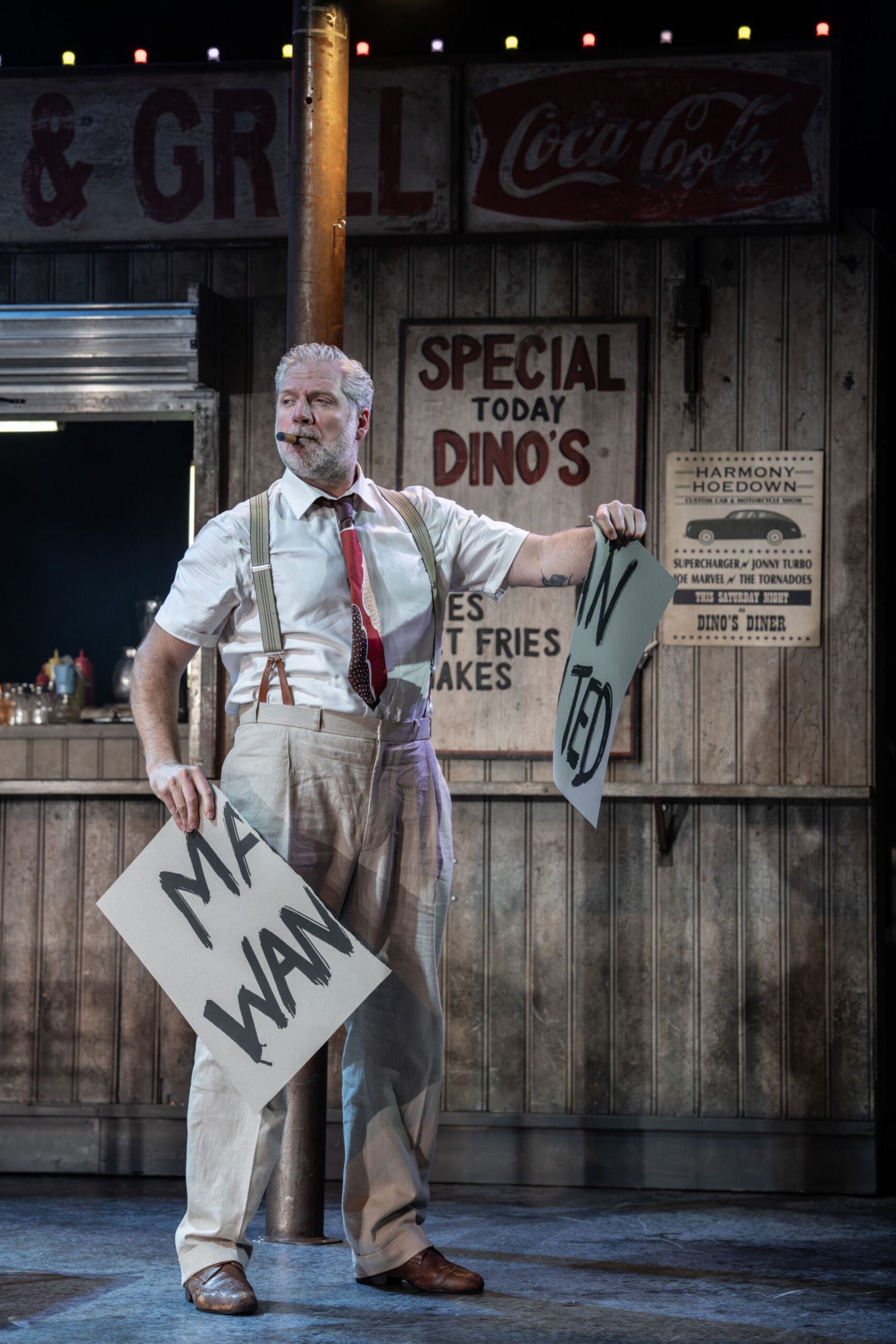
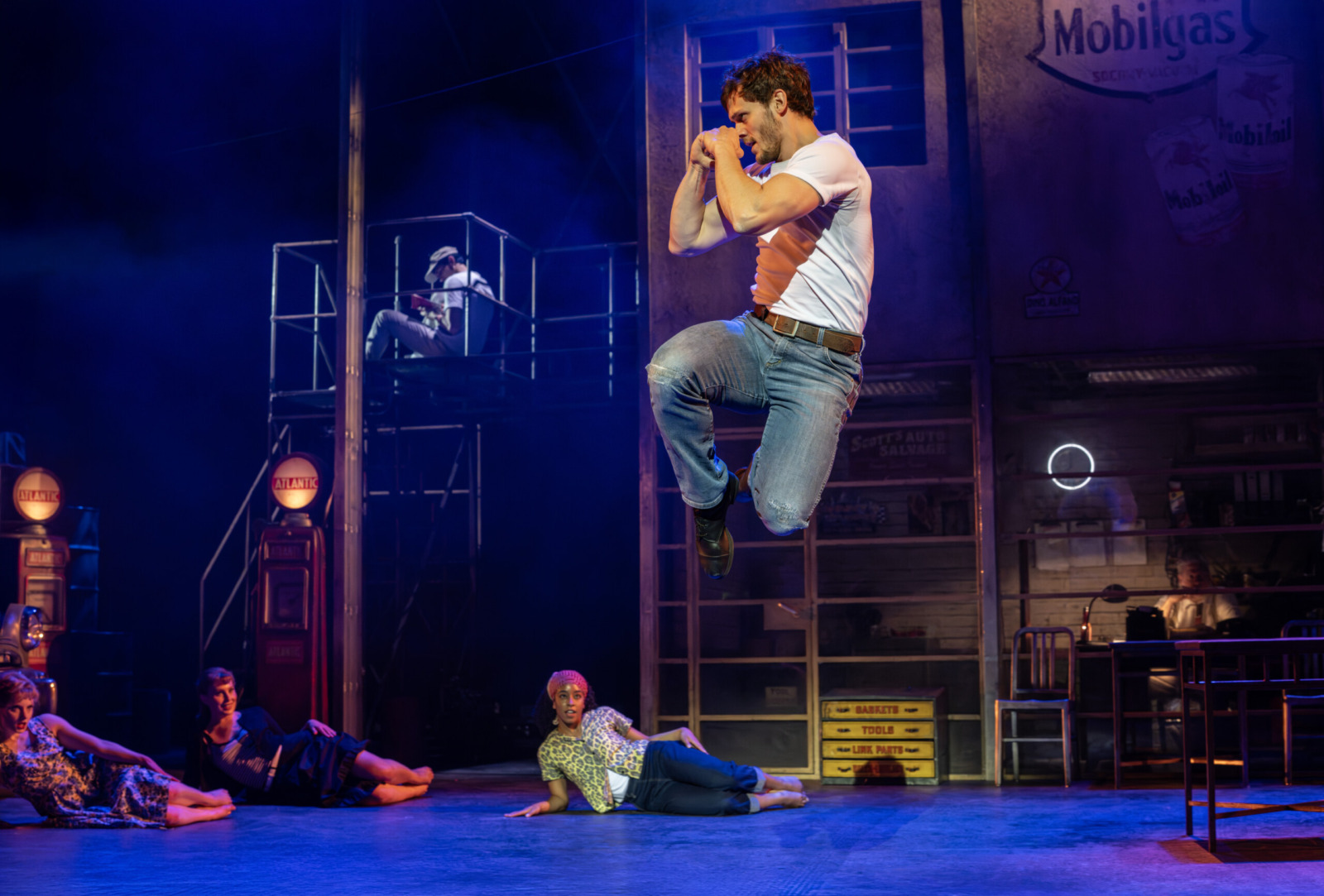
The flurry of dancers is the first thing the audience is greeted with: one dancer sitting nonchalantly at a dining table, with her feet casually in pointe, reading a magazine; another trying to affix a sign, “Car Man Wanted,” to the stage, moving gracefully around until he found the perfect spot. All this before the lights had dimmed and the show had begun. What then ensued within the first five minutes was gratuitous nudity and a very clear visual of several live phalluses that begged the question of whether one had sat down to see Magic Mike or if by sheer accident the phallic objects had escaped their owners. Having since re-read the content warnings of “brief male nudity”, it is clearly the latter. As unnecessary as that was, it definitely drew the attention of the crowd, and meant that when our anti-hero Luca “The Car Man” (Harrison Dowzell) flew like a gazelle onto the stage, he consistently performed some of the greatest acrobatics to be seen before the interval.
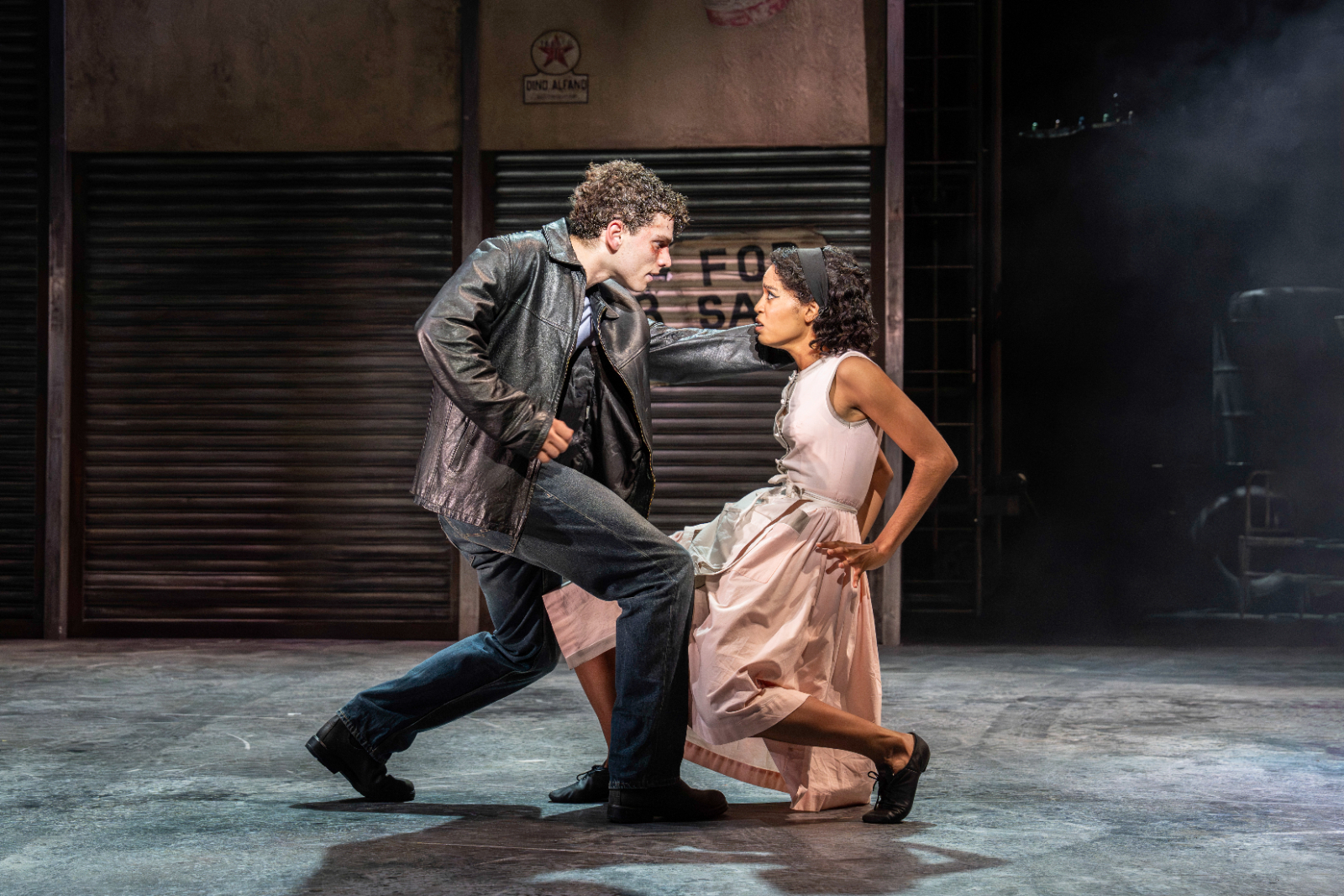
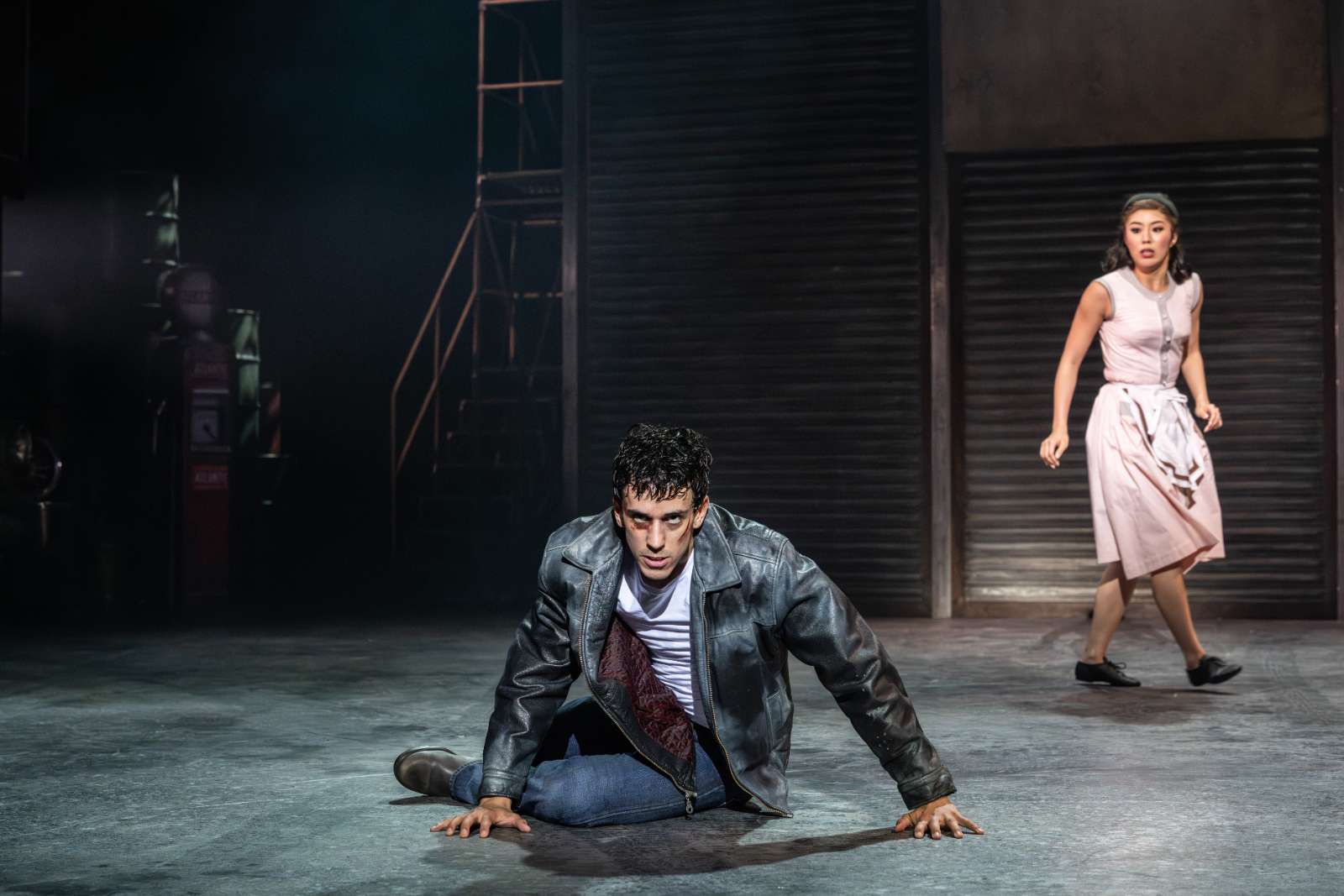
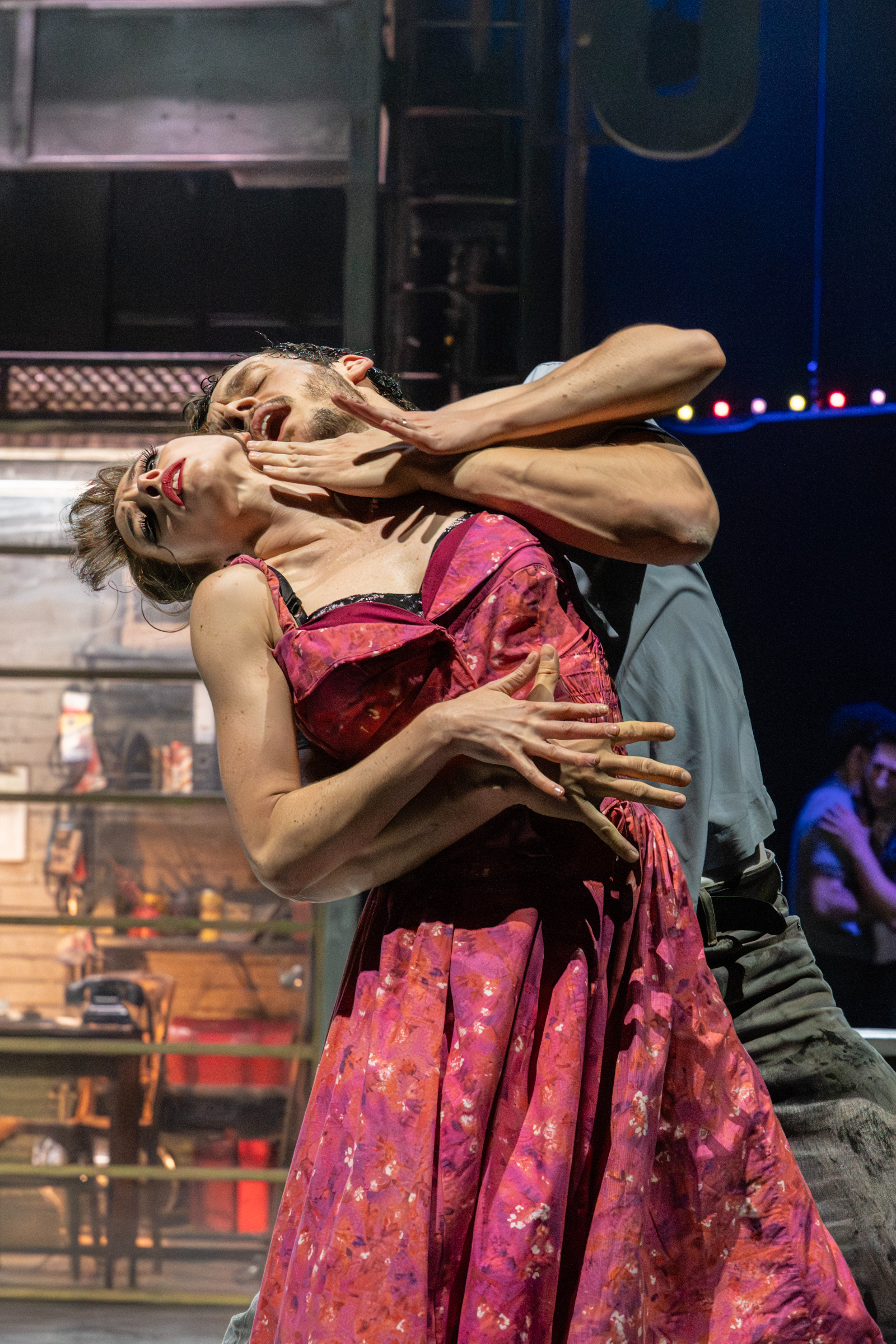
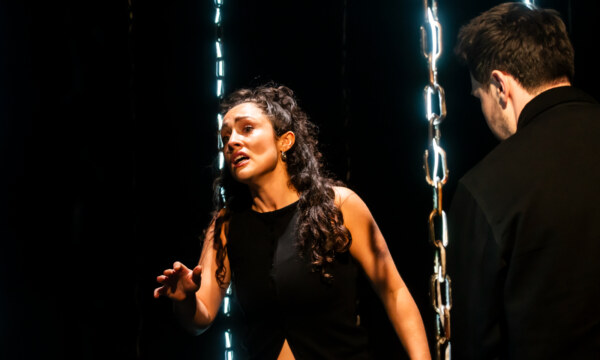
Some of Dowzell’s most effectively beautiful scenes came in his pas de deux with Cordelia Braithwaite (Lana) and Leonardo McCorkindale (Angelo). The chemistry between both performers and Dowzell’s Luca was undeniable. Each movement sequence conveyed both tenderness and betrayal. The emotional weight was evident, as well as the technical precision of each dancer. The athleticism of all on stage was consistently impressive. Still, Dowzell stood out from the group in his ability to balance physical prowess with such vulnerability that Luca’s presence, especially in the first act, was compelling to watch.
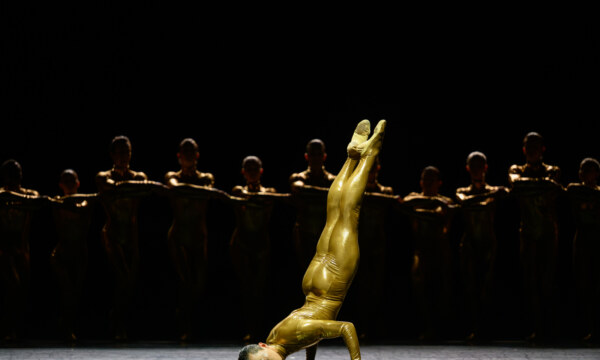
All the dancers manage to tell the story of love, mistrust, murder, greed and lust without uttering a single sentence. Aside from the occasional yells, their body language did all the talking as they moved with synchronised expressive movement and fine-tuned choreography, allowing the narrative to unfold with incredible clarity. This is testament to Bourne’s skills as both director and choreographer. He seamlessly shifts between explosive numbers and more tender moments, helping the audience absorb the entangled relationships with ease.
Provocative, passionate, and packed with many breathtaking performances, The Car Man reminds audiences why the great Matthew Bourne continues to redefine what dance theatre is and the potential it has. Though some of the more shocking tactics distract from the show’s emotional depth at times, the production itself is an extraordinary example of how choreography, cast and cinematic storytelling produce a magnetism that makes it worthwhile to return again and again.
Natallia Pearmain
Photos: Johan Persson
The Car Man is at Sadler’s Wells from 31st July until 29th August 2026. For further information or to book, visit the theatre’s website here.
Watch the trailer for The Car Man at Sadler’s Wells here:












Facebook
Twitter
Instagram
YouTube
RSS