
Art under Attack at Tate Britain
 4 October 2013
Tate Britain’s new exhibition brings forth works of British art, from medieval to contemporary, with emphasis on the fact that they have been vandalised over the past five centuries. Although the show seems to recycle known works subjected to iconoclasm rather than explore its depths with any fresh insight, Art under Attack nevertheless steers the visitor towards a rudimentary understanding of what iconoclasm is and why it has existed for so long, and what makes it continue to make a point today.
The exhibition is split into three broad sections to outline how religious, political and aesthetic intentions have contributed to the destruction of artworks and how its consequences have reinforced further meanings behind the pieces.
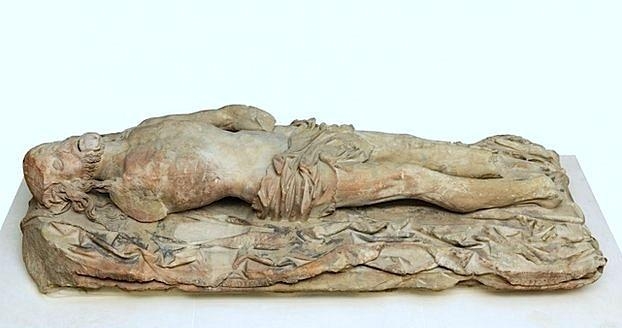
Beginning in the religion rooms, reformation iconoclasm depicts state-authorised amputation of Roman Catholic power and practice, through scratched-out altarpieces and “physical, brutal attacks against the figure” in religious sculptures. Plans of attack on religious art are emphasised as highly calculated and the display attempts to sketch this. Beside medieval stained-glass panels, The Presentation in the Temple and Christ Leading the Gentiles from Pagan Gods, hang diagrams illustrating them as damaged versions before restoration, acting as comparative tools to witness how specific the vandalism was. The glass works were specifically extracted from the windows of Canterbury Cathedral for this exhibition.
Moving into the politics part of the show, the co-curators’ noteworthy find is the blasted head of William III from a statue erected in Dublin to commemorate his triumph over James II in 1690. Despite the unsuitably frivolous terracotta walls distracting from the works, this subsection manages to run through some uncomplicated historical events, with a bit of art alongside. However, a room dedicated to the Suffragettes’ position between art and politics could be exhibited more heroically, as it discusses their violence above art and justice. An enlarged print from Blast magazine supports the suffrage movement, but ultimately taints the ideological reasons for iconoclasm in persuading them to “leave art alone”.
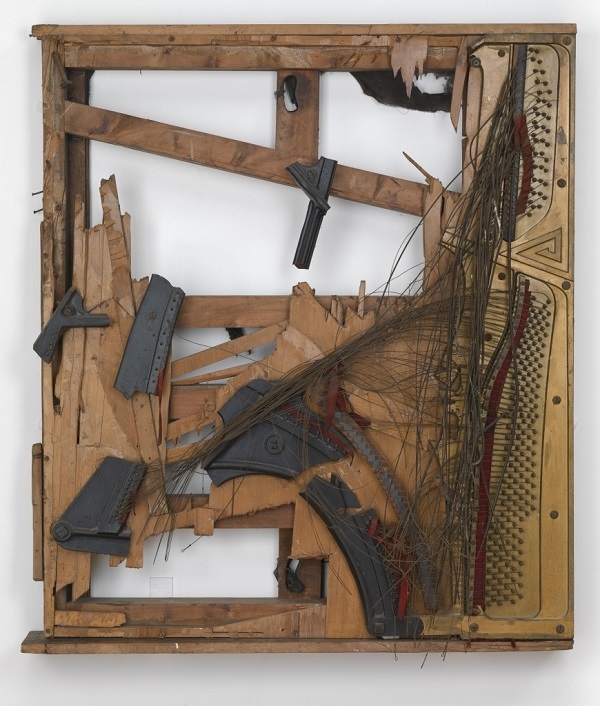
The exhibition draws to a finish with more contemporary works owing to aesthetic iconoclasm, including Ortiz’s 1966 Piano Destruction in Art Symposium, which inspired a new language of translating destruction into creation: like bodies, art’s cells are “destroyed for new cells to regenerate”.
In all, Art under Attack may lend a basic perception to the vast category of iconoclasm in art to those who are new to the focus.
Angela Chan
Art under Attack: Histories of British Iconoclasm is at Tate Britain until 4th January 2014, for further information visit here.















Facebook
Twitter
Instagram
YouTube
RSS