
Painting the Modern Garden: Monet to Matisse at the Royal Academy of Arts

 27 January 2016
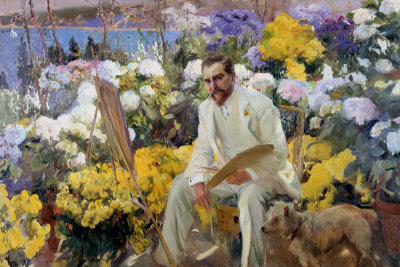
If one views notable works of art from the turbulent period spanning the 1860s to the 1920s, looking for a linking theme, gardens might not be most obvious choice. Yet one of the triumphs of this exhibition is its elucidation of how the increasing popularity of gardens was also reflective of the multifarious changes in the world of painting. This is because gardens had ceased to have an important practical role for many people, but instead become an aesthetic pursuit for those with means, and offered a more tranquil alternative to the overwhelming stimulation of city life.
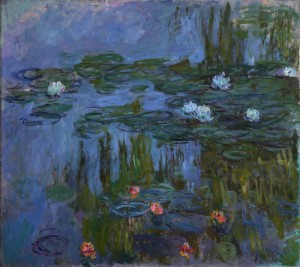
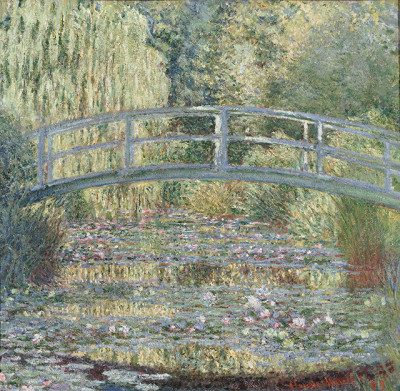
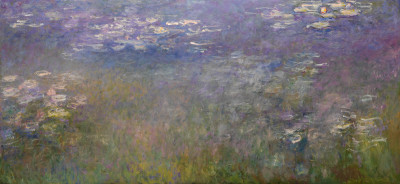
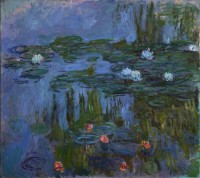
As the title of the exhibition suggests, Monet plays a key role here, with his works making up around a quarter of the paintings on display. He seems to be the yardstick used by curators William H Robinson and Ann Dumas, shown at the start, middle and end of the period as his Impressionist art subtly evolved amidst Symbolist and avant-garde movements. His placement as the most crucial artist on display is not surprising within this context, given his lifelong attachment to gardening, which at times he seems to self-effacingly place in higher esteem than painting.
Many of these works show recurring subjects at his famous property in Giverny, such as his water garden with its Japanese bridge and lilies, with their changes seemingly manifesting Monet’s increasing pain at the progress of history. This culminates in his late masterpiece the Aganthus Triptych, coinciding with the First World War, in which his beloved lilies are no longer linked to land but adrift in endless water, with some of them seemingly bleeding as they reflect the sun’s elusive light.
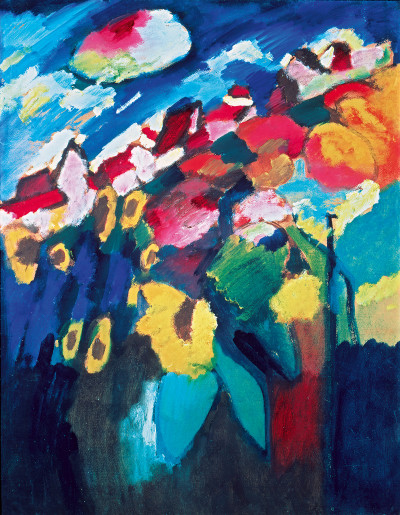
Some of the many lesser Impressionist paintings from the likes of Camille Pissaro seem aimed more at the garden enthusiasts than the art crowd; whilst many of these are fine paintings in their own right, unlike Monet they do not transcend their cosy prettiness enough to linger in the memory. This is made more regrettable when some major artists have only one or two token (but still brilliant) paintings on display, such as Vincent Van Gogh, Wassily Kandinsky, Gustav Klimt and Edvard Munch; even Henri Matisse, despite his title billing, is sparingly represented with his Palm Leaf, Tangier.
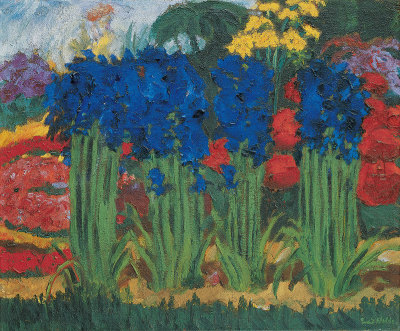
Nonetheless, the exhibition does exemplary justice to several different aesthetic movements during the selected period, while also showcasing some highly impressive works from lesser-known artists such as Santiago Rusinol, Edouard Vuillard, Emil Nolde and Henri Le Sidanier (for starters), and giving Monet a worthy tribute. Add an extra star if you’re a hardcore horticulture enthusiast.
Edward Till
Painting the Modern Garden: Monet to Matisse is at the Royal Academy of Arts from 30th January until 20th April 2016, for further information visit here.















Facebook
Twitter
Instagram
YouTube
RSS