
The Ugly Duchess: Beauty and Satire in the Renaissance at the National Gallery
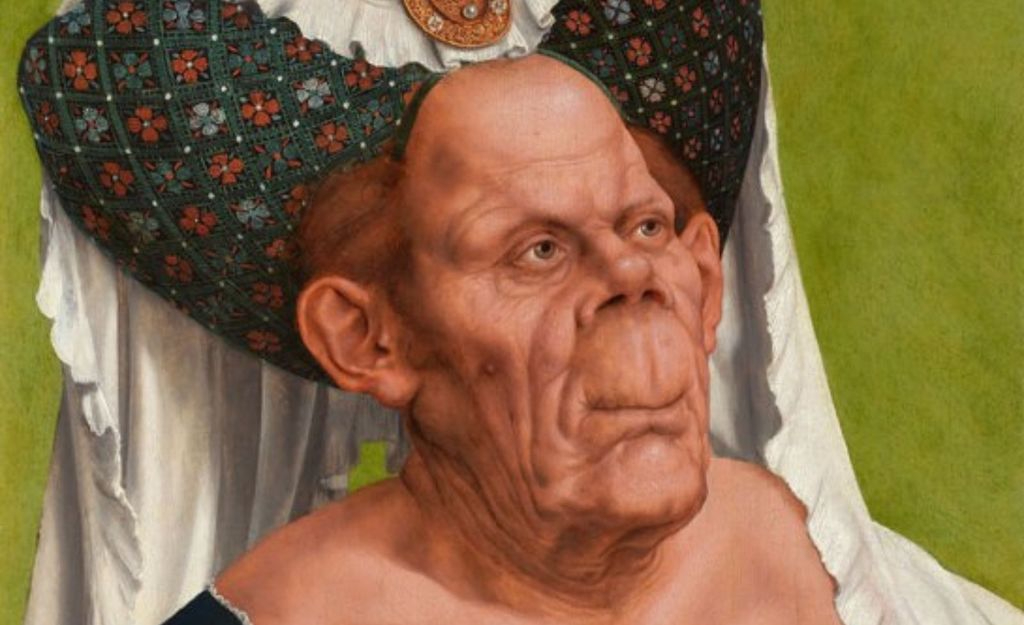


A single painting can spark many a discussion, especially when it’s as iconic as Quintin Massys’s An Old Woman. Known as “The Ugly Duchess”, the 16th century portrait is considered one of the earliest works of satirical art. A free exhibition at the National Gallery places it in the spotlight, accompanied by pieces that are related to it and its themes, strictly within the historical context of the Renaissance period.
The first interesting fact is that the famous painting is based on a drawing by Leonardo Da Vinci, who was known for sketching grotesque heads. Many artists copied the Italian painter’s sketches, also as a means of circulating the material, but Massys turned one of these sketches into a detailed depiction in oils that gained popularity and is now the central piece in this display. In the small room that the collection occupies, visitors can see An Old Woman alongside the Da Vinci sketch it’s possibly derived from, which in turn may have been inspired by a folkloric figure who appears in 15th century engravings of a carnival scene. Massys’s painting is reunited with its companion piece, An Old Man – a far soberer portrait, perhaps meant to further ridicule The Ugly Duchess, as she holds a flower that the man seems to reject with his raised hand.
The collection of artworks presented brings up questions about satire and parody, and of how art was sometimes used, even by the greats, to elicit laughter rather than admiration and awe. The National Gallery also encourages viewers to consider the misogynistic tradition of vilifying older women. One can see the earliest depiction of a witch or hag, by Albrecht Dürer, and other instances where the ageing female is demonised or mocked. This theme does not feature in a wholly negative way, however: the curators recognise that, perhaps inadvertently, these artists produced pieces that are intriguing, daring and refreshing. By steering away from the standard aesthetics that favoured beauty, luxury and idealised forms, these works offer a glimpse of something far more striking.
Mersa Auda
The Ugly Duchess: Beauty and Satire in the Renaissance is at the National Gallery from 16th March until 11th June 2023. For further information visit the exhibition’s website here.



















Facebook
Twitter
Instagram
YouTube
RSS