
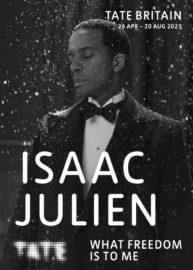
Isaac Julien: What Freedom Is to Me at Tate Britain


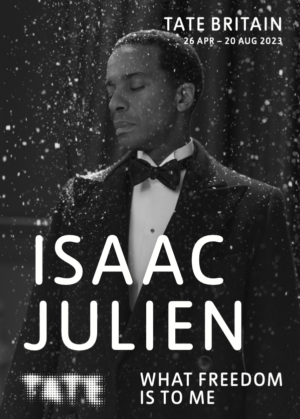
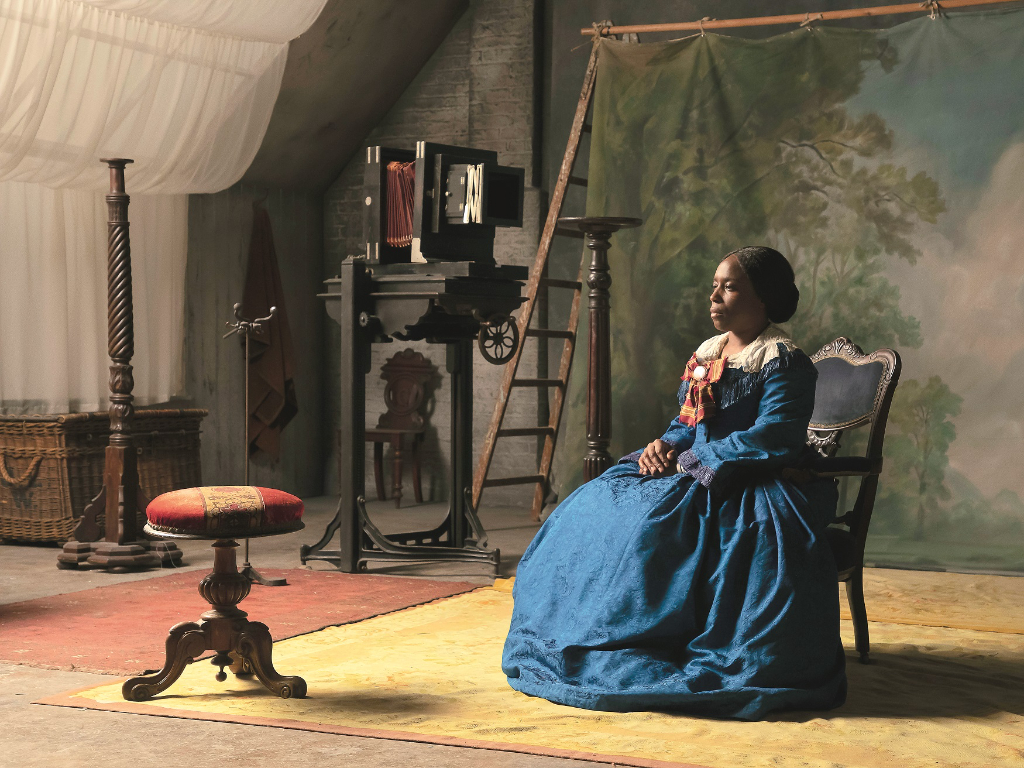
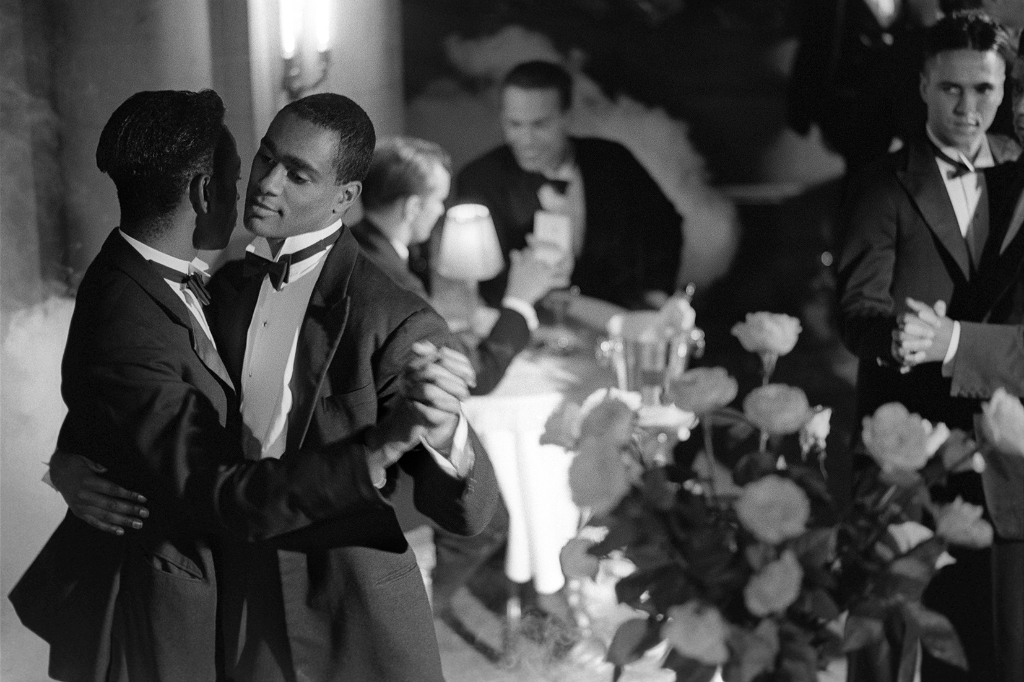
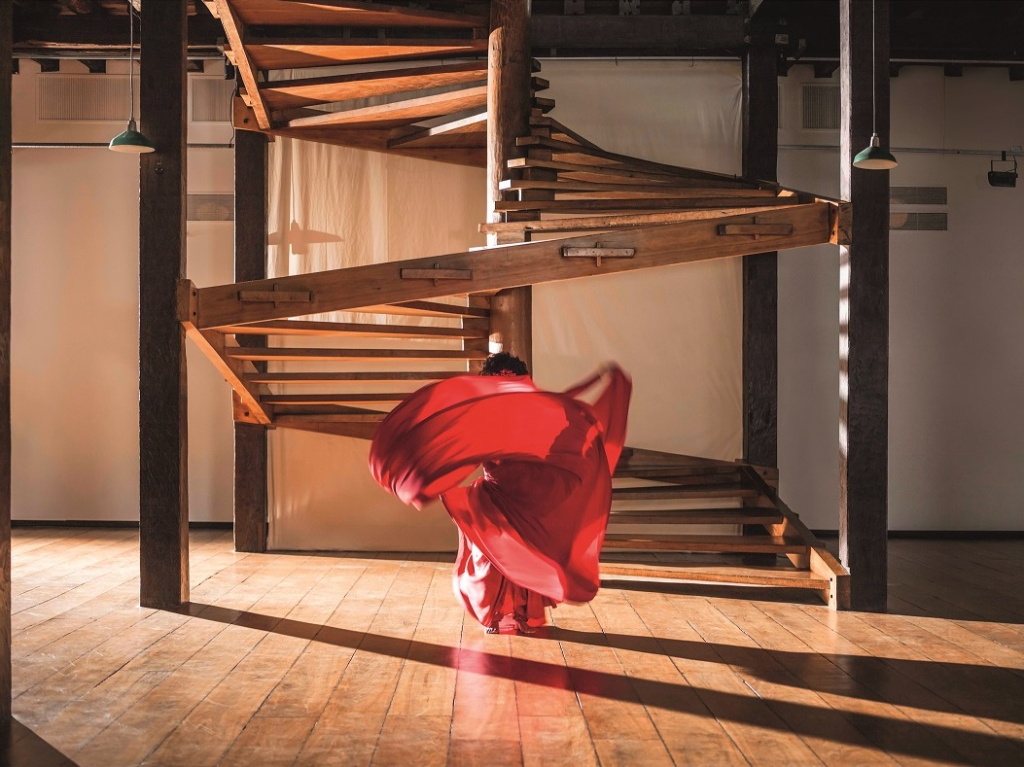
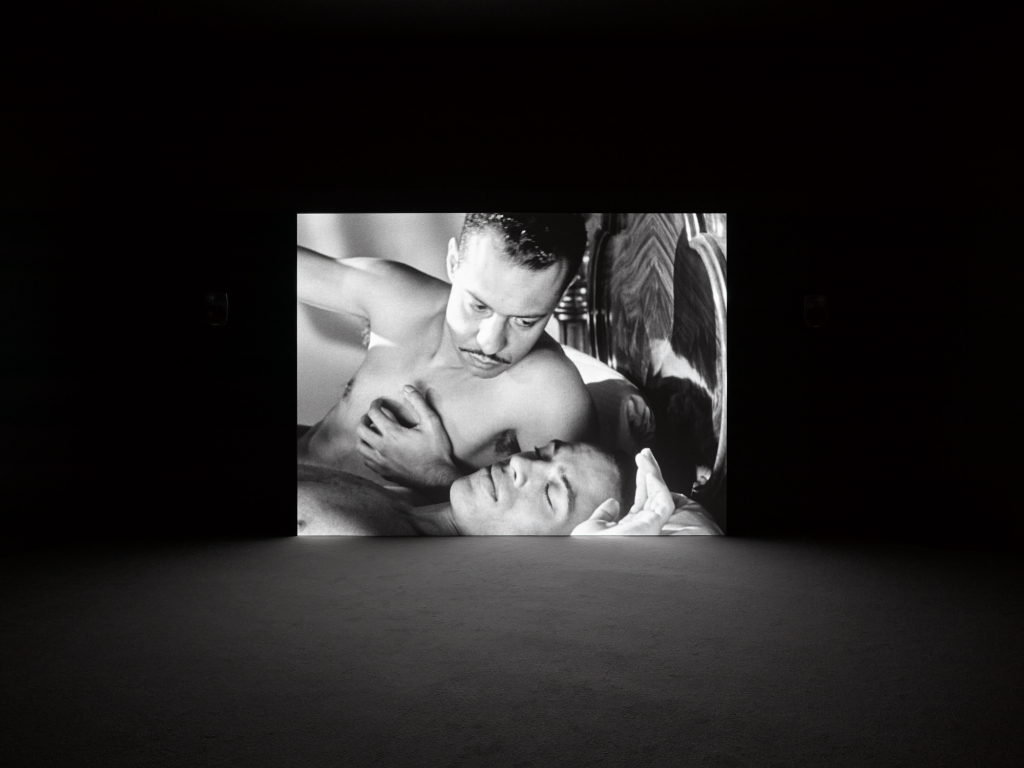
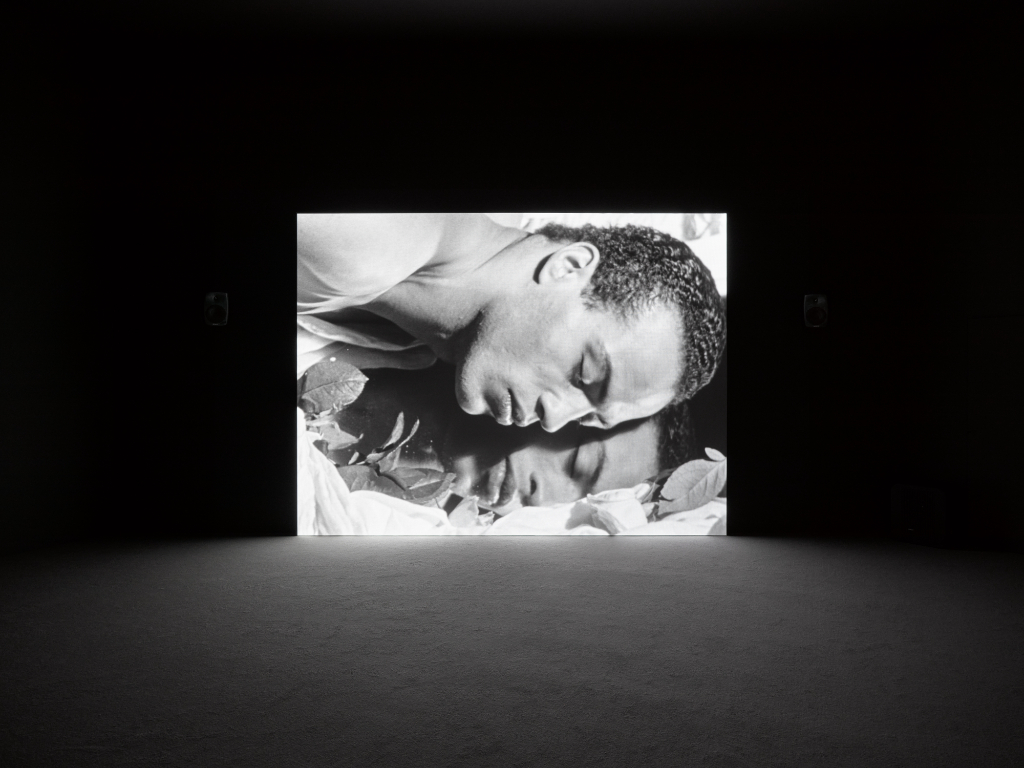
Isaac Julien: What Freedom Is to Me is a retrospective of the London-born artist/filmmaker’s 40-year career. Ingenious design by Julien in collaboration with architect David Adjaye makes the exhibition’s central atrium into something akin to the Wood Between the Worlds in CS Lewis’s Narnia, where pools of water are portals into any number of different worlds. Here, different coloured, carpeted corridors lead off into the various realms created by the artist, from 1920s and 1930s Harlem with his film about the poet Langston Hughes, to a documentary about Brazilian architect Lina Bo Bardi, to a tragic piece about the 23 Chinese workers who drowned in Morecambe Bay in 2004. Some films are represented by vivid red, others teal and so on. It’s a striking conceit and works well the material. Visitors are given a precis of the work, a small-screen preview and its runtime, before taking the plunge.
With some examples running up to 40 minutes, a not inconsiderable amount of time is needed to view the exhibition in full. Julien’s work seems to adhere to the concept articulated by Bardi that “Linear time is a Western invention; time is not linear, it is a marvellous entanglement, where at any moment points can be chosen and solutions invented without beginning or end.” The films unreel at a languid pace and are mainly concerned with real events and historical figures.
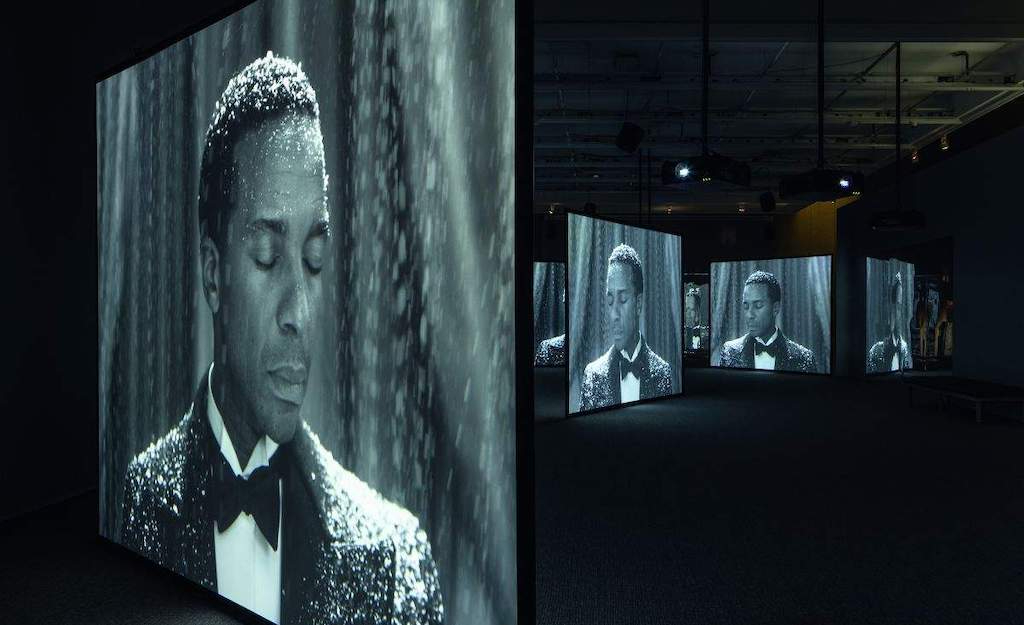
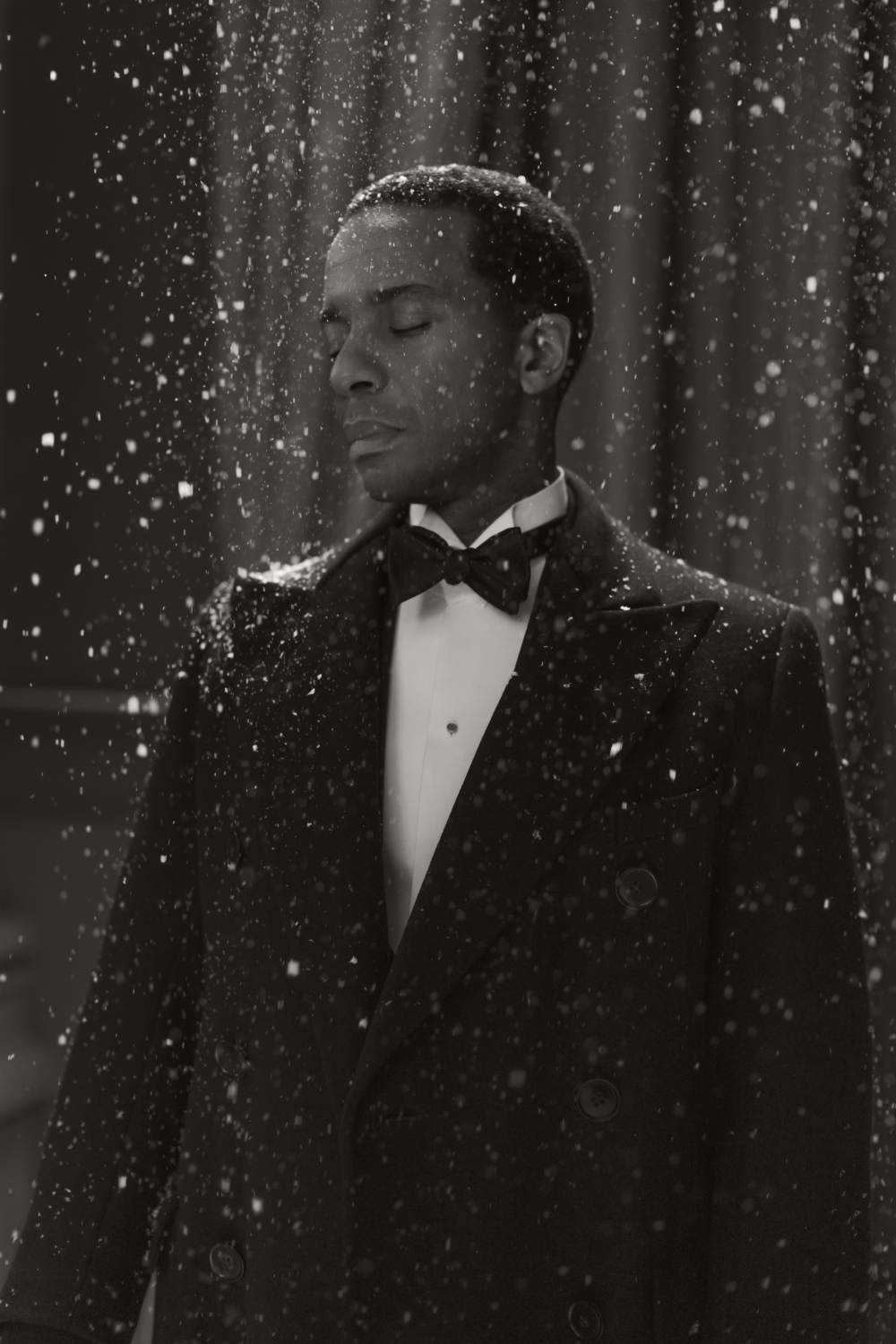
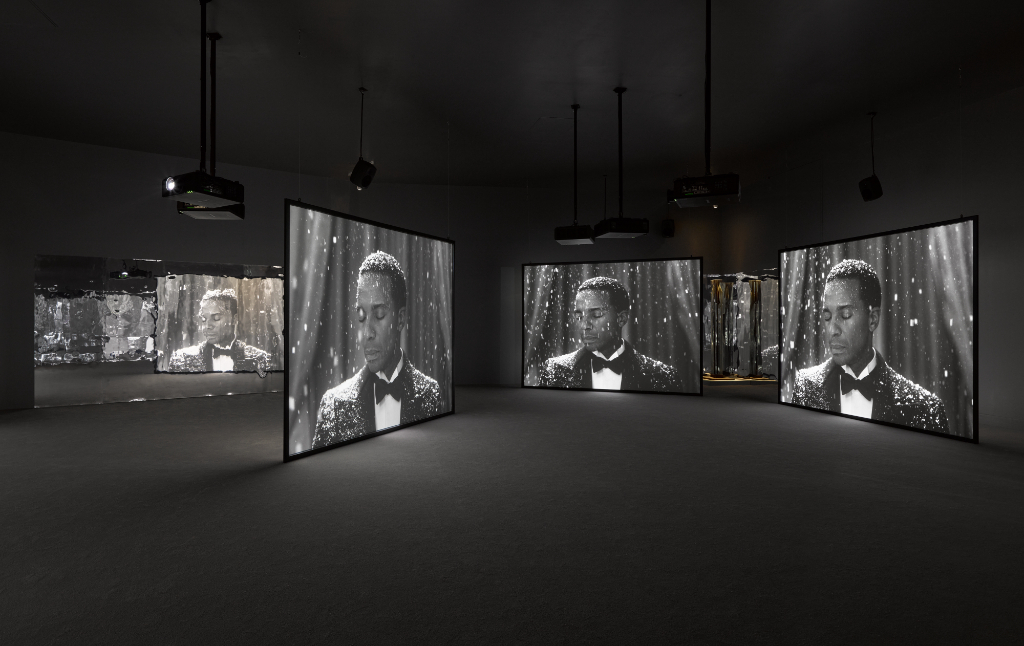
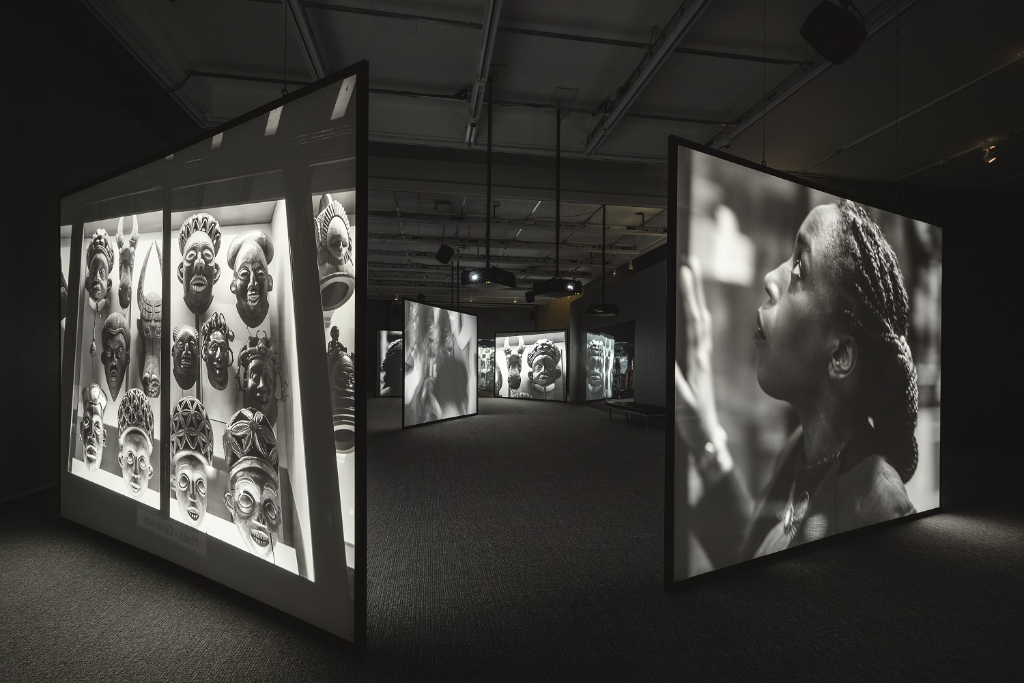
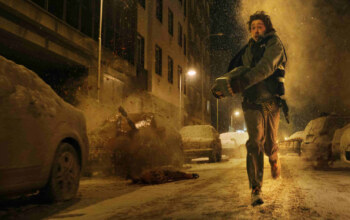
Particularly dreamlike is latest work Once Again… (Statues Never Die) (2022), projected over five screens in a room with thick, grey carpet and grey walls. A slight time lapse between screens means that they foreshadow one another like repeated refrains: snow falls upward; a singer drifts on a palatial staircase, robe decorated with roses flowing behind her; African and European art work is handled and considered. The film concentrates on writer and curator Alain Locke, who disentangles the way African art has been belittled by the traditional art establishment, demoted to artefact rather than Art. It deftly follows some cultural assumptions back to their roots as very conscious constructions – if one denies the art of a people, does one not also deny their soul? The singer Alice Smith provides devastating vocals in the crescendo of the piece. Like all of Julien’s material, it is visually sumptuous and delivered at its own tempo, underlining the idea that art is a fantastical space.
The work is beautiful and serious, concerned with high concepts, but it demands a significant investment of time to fully engage with its ideas. For the surreal space it creates, there could be more of the ambiguity and mystery that characterises dreams.
Jessica Wall
Isaac Julien: What Freedom Is to Me is at Tate Britain from 26th April until 20th August 2023. For further information visit the exhibition’s website here.







Facebook
Twitter
Instagram
YouTube
RSS