
House at Barbican Theatre
 27 September 2024
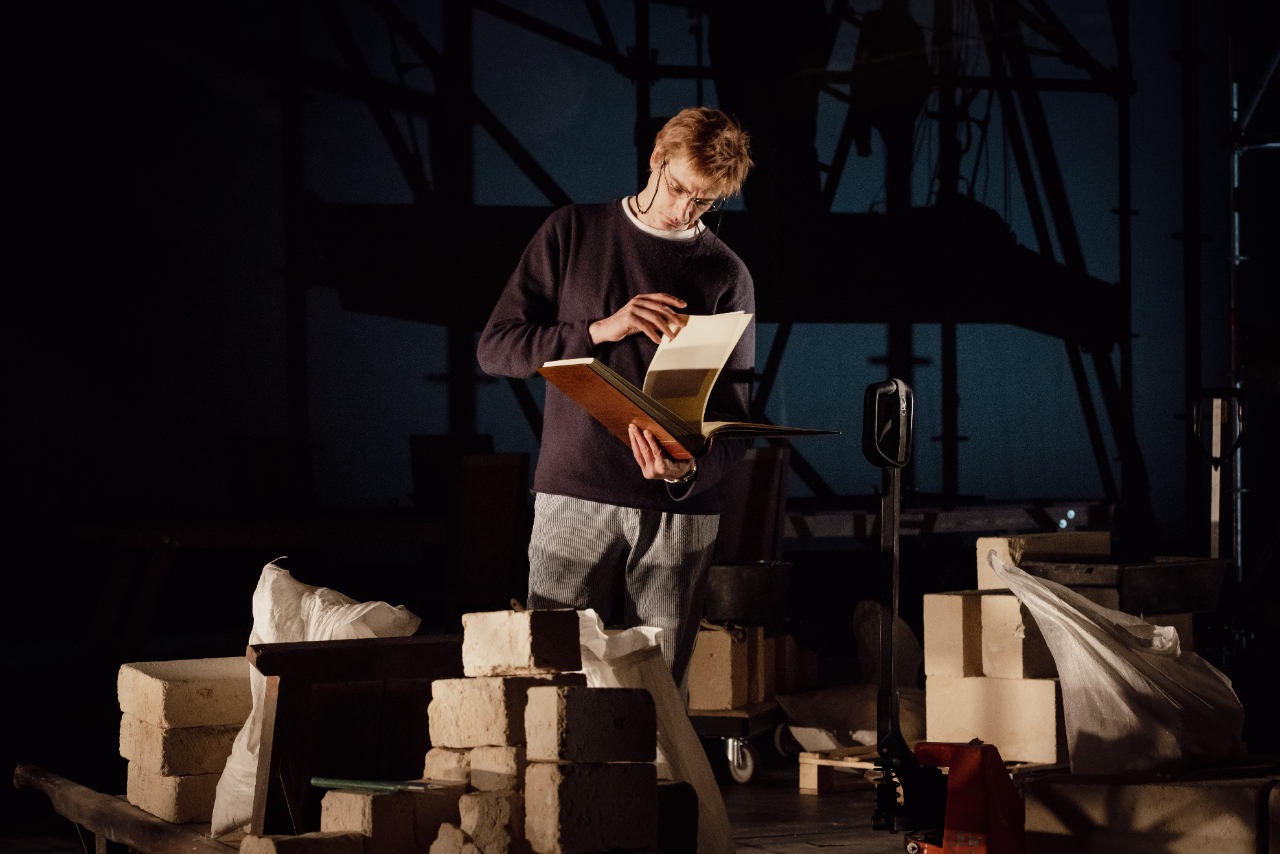
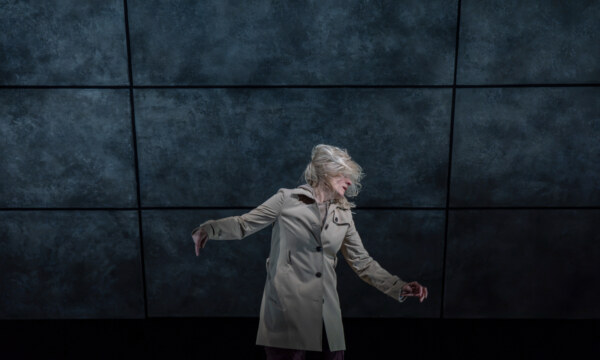
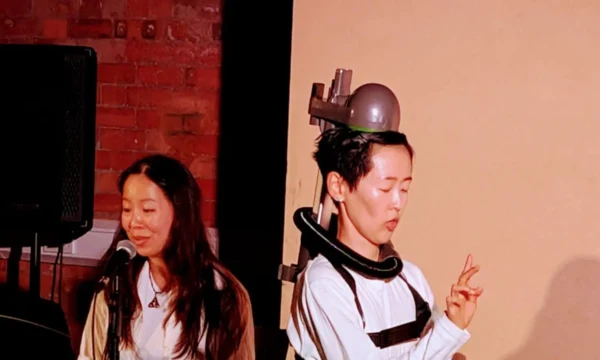
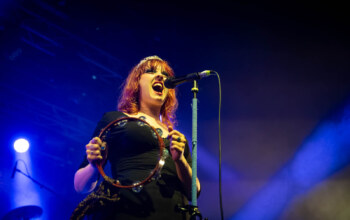
Adapting his own decades-spanning documentary trilogy, director Amos Gitai and La Colline-theatre national’s production effectively enhances the intimacy of its source material. In place of the direct-to-camera addresses, the actors simply address the crowd instead, their words projected in English subtitles on the wall behind them as they speak in Arabic, English, French, Hebrew and Yiddish. Those giving the testimonials are the varying inhabitants of a single West Jerusalem residence over the years, encapsulating those on both sides of the Israel-Palestine conflict. Given the chronological sprawl, it’s fitting that in place of real indicators of the homes so many have made there, what primarily serves as stage dressing is construction equipment. This house is constantly being reworked and rearranged, as much in ideology as anything else, and the two musicians perched above are, effectively, the sole constants in the ever-shifting cast, their sound maintaining the throughline.
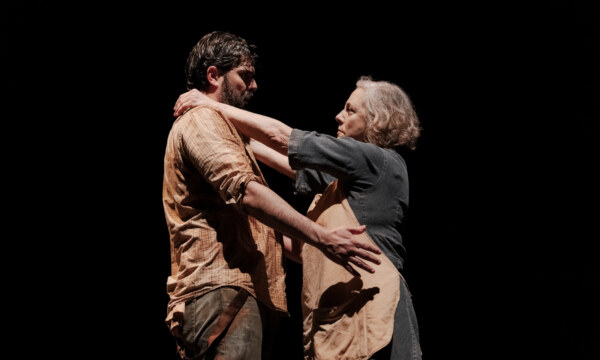
As we gently meander from one monologue to another, House often attains a lulling, hypnotic rhythm, the gentle musical accompaniment working in tandem with delicate, measured work from the actors. Throughout, the testimonials are enraged and hopeful and merely indifferent depending on the speaker: a stone mason maintains his ethos of “an eye for an eye” vengeance for the wrongs done to him, while an Israeli woman claims she harbours no ill will towards the Palestinians whom she sits with, though she’s resigned to violence as an inevitability. Others lean more idealistic, extolling the virtues of a peaceful co-existence, while younger generations question why the past still looms so large that imagining a future is all but impossible.
As these stories of lost, half-remembered homes are told, it’s easy to become engrossed in them. Still, the cumulative effect over the play’s two hours and 20 minutes can be numbing; there is little overarching structure to House, no doubt to replicate the feeling of wandering through a maze of memories, finally arriving at the messy reflection the present moment calls for. The approach is often striking, but it can also risk stifling the raw emotional contents of the stories. For a piece so steeped in the personal vantage of individuals, House can feel like a drily academic exercise, one whose form may indeed feel more naturally suited to the screen (the first of Gitai’s films was commissioned and then banned by Israeli television in 1980. All three films are being screened at the Barbican in tandem with the stage show). Indeed, the stage transfer feels most alive when it embraces unabashedly theatrical devices. At certain points that feel too few, the cast gather together onstage and launch into percussive musical interludes, rhythmically striking the construction materials around them to create a music both cacophonous and electrifyingly, fully alive. One is tempted to wish that the play were more willing to use the sound and fury of numbers like these to make audiences feel what words can only do so much to conjure.
Thomas Messner
Photo: Simon Gosselin
House is at Barbican Theatre from 26th until 28th September 2024. For further information or to book visit the theatre’s website here.








Facebook
Twitter
Instagram
YouTube
RSS