
Why couples are treating their reception like a West End production
 30 March 2026
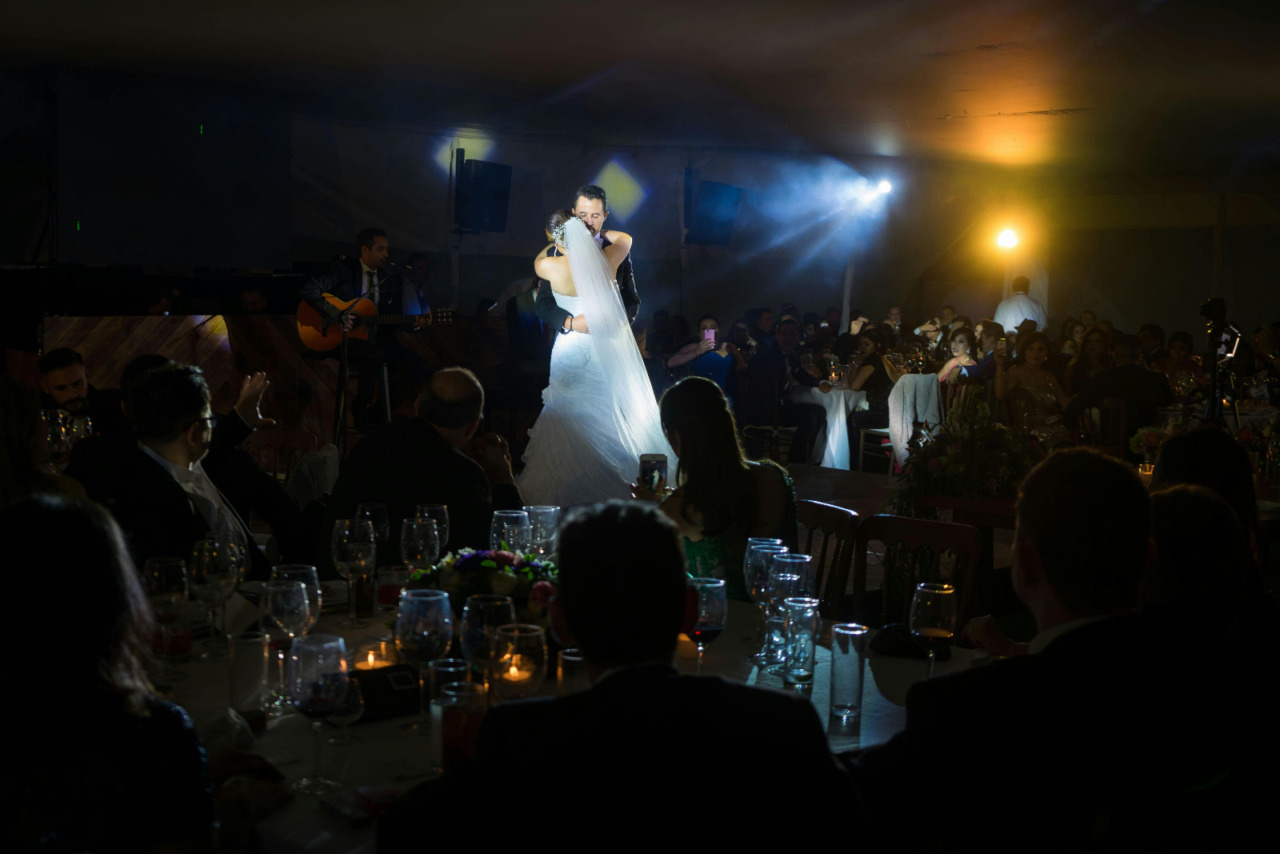
Something has changed about the way couples plan their wedding reception. What used to be a dinner followed by a DJ set has quietly become something closer to a scripted performance, complete with lighting cues, scene changes, and emotional pacing.
In London, this shift is hard to miss. The city’s West End culture has started bleeding into how receptions are designed, with couples approaching their celebrations as a full wedding production rather than a simple gathering. What is driving this theatrical instinct, and what does it actually look like on the night?
Why couples now plan receptions in acts
The shift is not happening in a vacuum. According to recent research, 68% of couples now say they prioritise guest experience over their own personal preferences when planning their reception. That statistic reflects a broader cultural pivot, one where the audience matters just as much as the people on stage.
Part of this comes from the world outside weddings. The rise of escape rooms, experiential dining, and immersive theatrical experiences has quietly recalibrated what people expect from a night out. Guests arrive with higher standards for engagement, and couples have noticed.
Rather than choosing a DJ, a florist, and a caterer as isolated decisions, more couples are thinking about wedding planning in terms of emotional arc. What should the room feel like during dinner? When should the energy peak? How does the evening build toward its final moment? Even decisions like booking a wedding band in London are being made with that bigger story in mind, not just as a tick-box for entertainment.
This thinking turns wedding entertainment from a background feature into a narrative structure. Each element serves the next, and the whole evening starts to feel intentional rather than assembled from separate parts.
The numbers back this up, too. The wedding services market growth shows that couples are investing more in experience design than ever before. The spend is not just going up; it is shifting toward the kinds of production-level details that make a guest experience feel cohesive from start to finish.
The production toolkit couples borrow from theatre
So what does this actually look like in practice? When couples talk about treating their reception like a production, they are not speaking in metaphors. They are borrowing real tools from the world of theatrical staging and performance, and deploying them with genuine technical intent.
Lighting design is often the first element to get a serious upgrade. This goes well beyond fairy lights or candle arrangements. Couples are working with programmable systems that shift colour temperature and intensity throughout the evening, matching the emotional beats of each phase. Warm amber during dinner gives way to deeper tones for speeches, then saturated colour for dancing. The room itself becomes reactive.
Staging plays a similarly structural role. Raised platforms and tiered levels create focal points, giving performers and speakers a defined presence in the space. For a lavish wedding, this might mean a full concert-style stage. For an intimate wedding, even a subtle platform change draws attention where it needs to go and helps define spatial zones within a single venue.
Then there are the walls. LED video walls and video mapping have made it possible to turn blank surfaces into dynamic visual environments. A plain ballroom wall can display slow-moving botanical projections during the meal, then shift to something bold and kinetic when the party begins. The backdrop is no longer static.
Custom dance floors and scenic elements round out the toolkit, tying visual threads together so the whole space tells one story rather than several disconnected ones.
The key distinction here is between decorating a space and designing an environment. Wedding production thinking treats the venue the way a director treats a stage, where every surface, sightline, and transition serves the overall experience rather than existing on its own.
When the band becomes the director
The production toolkit outlined above covers lighting, staging, and visual design. Yet none of those elements can read a room in real time. That responsibility increasingly falls to the live musicians, who have moved well beyond background entertainment into something closer to narrative direction.
A skilled wedding band now functions as a cultural curator for the entire evening. The musicians watch how guests respond, gauge energy levels between courses, and make split-second decisions about tempo, volume, and song choice. This kind of real-time responsiveness is something no pre-programmed playlist can replicate, and it is why live performers have become central to how couples structure their wedding reception.
The parallel to theatre direction is worth taking seriously. Just as a director controls scene transitions to maintain emotional momentum, a live band manages the pacing between distinct reception phases. Cocktail hour calls for something warm and understated. Dinner needs enough presence to fill the room without competing with conversation. Then the dance sets demand a completely different register of energy and interaction.
What separates a strong band from a competent one is continuity. Rather than treating each phase as a disconnected block, experienced musicians build a through-line that carries guests from the wedding ceremony into the final song of the night. The emotional journey feels intentional, not choppy.
This is especially pronounced in London’s wedding scene, where couples draw on the city’s deep performance culture when choosing live music. The best bands understand how to shape a curated guest experience rather than simply provide a soundtrack.
In that sense, the musicians are not just performing. They are directing.
The reception is the performance now
This shift toward production thinking is not a passing trend or a luxury reserved for six-figure budgets. It reflects something more fundamental about how couples now define what a wedding reception should feel like.
The best receptions no longer ask guests to sit and observe. They pull people into an evening that feels shaped, intentional, and alive. Whether the guest list numbers thirty or three hundred, the same principle applies: a wedding production mindset turns a collection of moments into a single, coherent experience.
Intimate gatherings and lavish celebrations alike benefit when every element serves the whole. The couples leading this shift are not chasing spectacle. They are simply refusing to leave the evening to chance.
The editorial unit












Facebook
Twitter
Instagram
YouTube
RSS