
Crescendo
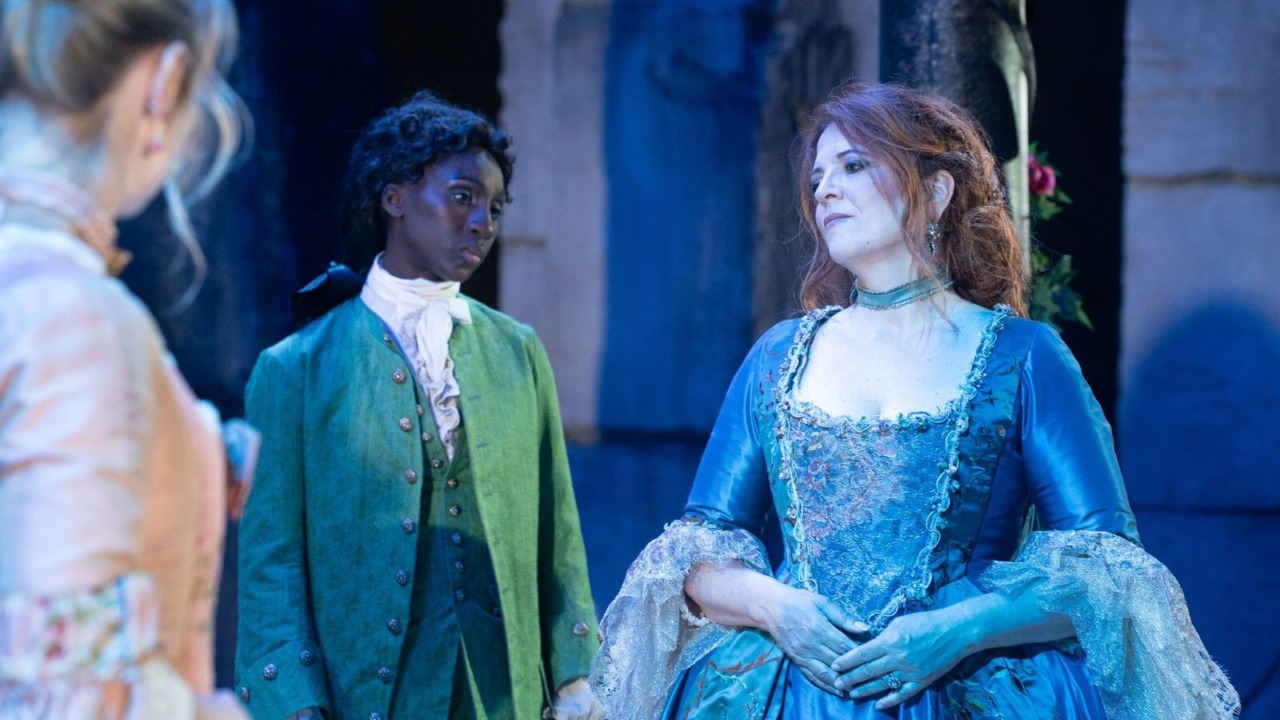


Agnès Jaoui’s Crescendo opens in the middle of an audition, with a procession of aspiring singers performing for an increasingly exhausted opera company in the south of France. The troupe is preparing a modern feminist reinterpretation of The Marriage of Figaro, but rehearsals soon become entangled in allegations of misconduct against celebrated tenor Piazonni (Vincenzo Amato). As loyalties fracture backstage and accusations begin to circulate, Crescendo drifts into territory that inevitably recalls Tár, staging a #MeToo drama inside the insular world of classical performance.
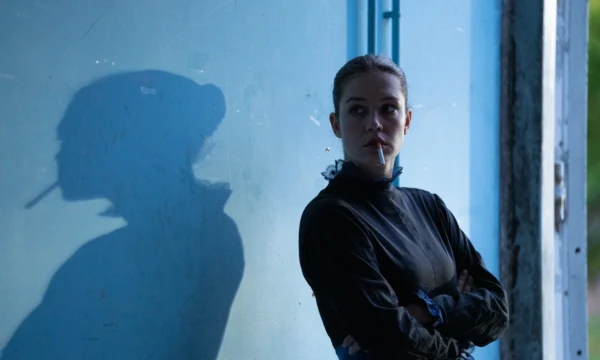
Jaoui playfully exposes the ugly realities behind institutions that like to present themselves as meritocracies. Casting decisions here have little to do with talent alone. Sophie (Tiphaine Daviot), an inexperienced singer hopelessly out of her depth in the lead role of Susanne, has secured the part largely because her father is a major donor to the opera house. Fellow newcomer Mirabelle (Claire Chust) is an “it girl” brought in to direct the production largely as a publicity stunt. The film amusingly keeps her profession vague, defining her less through any artistic background than through the perfume advertisements bearing her face across the city. Chust plays Mirabelle with a nervous uncertainty that leaves her constantly overwhelmed by the institution around her, whether dealing with dismissive opera veterans or a condescending radio presenter determined to put words in her mouth. There is an interesting idea here about wealth, status and fame replacing artistry and expertise, though Crescendo never fully commits to exploring it.
The script uses The Marriage of Figaro to reflect the rivalries and shifting loyalties unfolding backstage. Yet she struggles to find the right tone once the allegations against Piazonni move to the foreground. Crescendo is a comedy-drama, but much of the humour lands awkwardly given the severity of the subject matter. Many of the jokes fall flat, while others stray into poor taste.
More frustratingly, Crescendo adopts a particularly noncommittal approach to the accusations, with cast and crew members endlessly debating whose account they believe in a way that feels more contrived than morally complex. Even so, Crescendo remains intermittently compelling thanks to its setting and performances, particularly whenever it focuses on the fragile hierarchies and quiet humiliations that shape life inside the opera world.
Christina Yang
Read more reviews from our Cannes Film Festival 2026 coverage here.
For further information about the event, visit the Cannes Film Festival website here.



















Facebook
Twitter
Instagram
YouTube
RSS