
Fjord
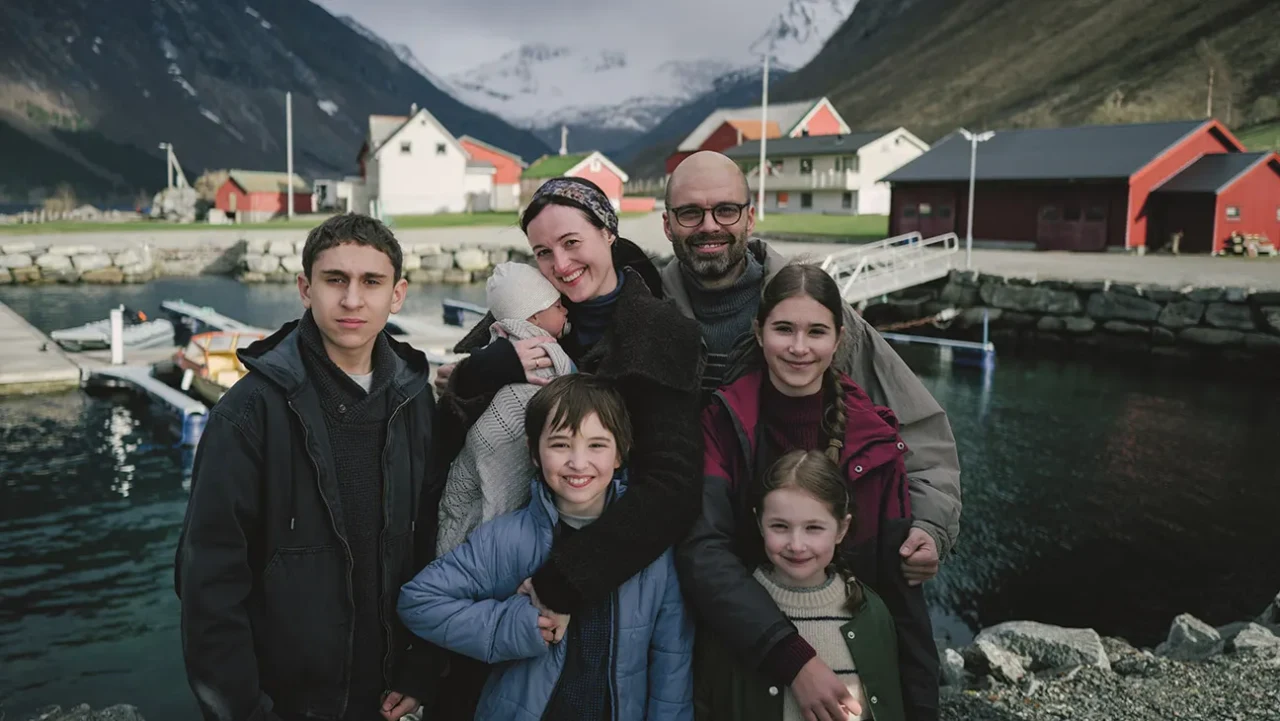


Romanian director Cristian Mungiu asks the important questions at this year’s festival. What is violence: where does it start, and who has the right to enforce it? What is the difference between the act of a parent disciplining their child, and that of a state disciplining its citizens?
The Gheorghiu family move from Romania to Lisbeth’s native Norway. Soon, there are a few hiccups, when the school’s progressive leaning clashes with the children’s religious upbringing. Matters escalate when bruises on the eldest’s body have the authorities rush to judgment.
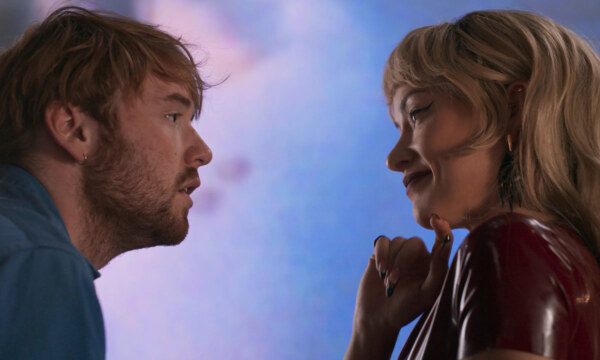
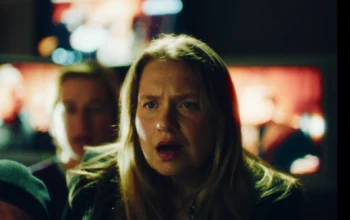
Fjord not only marks the reunion of A Different Man‘s power pairing Renate Reinsve and Sebastian Stan, but also the latter’s debut acting in his mother tongue. Both are near-unrecognisable in this film, as Mangiu deliberately undercuts their innate charisma and attractive features. A far cry from his fierce superhero persona, Stan sports a bald head and drifts through his scenes with a quiet resignation. Reinsve, too, has never been so muted: Lisbeth’s unflattering wardrobe, headbands and glasses lend her a recessive presence. There is none of the actress’s usual command of the screen; instead, the reflection of a character overwhelmed by forces beyond her control.
The camera is kept at a safe distance from its cast, on a clear mission to bear witness to the events as unobtrusively and impartial as possible. This places restrictions on its leads, who are rendered unable to be as expressive as we know them to be. In this adaptability to the director’s cinematic language lies their real strength as performers.
Mungiu’s scalpel of a script is attentive to the intricacies of cultural bias, discrimination, and ignorance, alongside moments of honest curiosity, which make up the children’s interactions with their new peers. Within the charged atmosphere, the absurdity of institutions unequipped to deal with human nuance occasionally also allows for a quiet humour to seep through, though never overpowering the narrative.
At the press conference in Cannes, the director made sure to stress that this film is not about the conflict between two nations, and that the legislature he based the story around has been changed in recent years. Nevertheless, audiences will recognise the systems in place as universal, and should be reminded of the sentiment, which proclaims the measure of civilisation to be found in its treatment of the most vulnerable members.
A perfect successor to Palme d’Or-winning Anatomy of a Fall, this Romanian-Scandinavian co-production turns the legal framework into a lens for examining both human complexities and the moral assumptions of a society. Perhaps one of the most vital films about democratic values in recent years, Fjord is one to go beyond potential prizes at individual festivals, and bound to leave a mark in contemporary cinema.
Selina Sondermann
Read more reviews from our Cannes Film Festival 2026 coverage here.
For further information about the event, visit the Cannes Film Festival website here.















Facebook
Twitter
Instagram
YouTube
RSS