
The Digital Clinic: How telemedicine is redefining weight management and personal healthcare in the UK
 24 July 2026
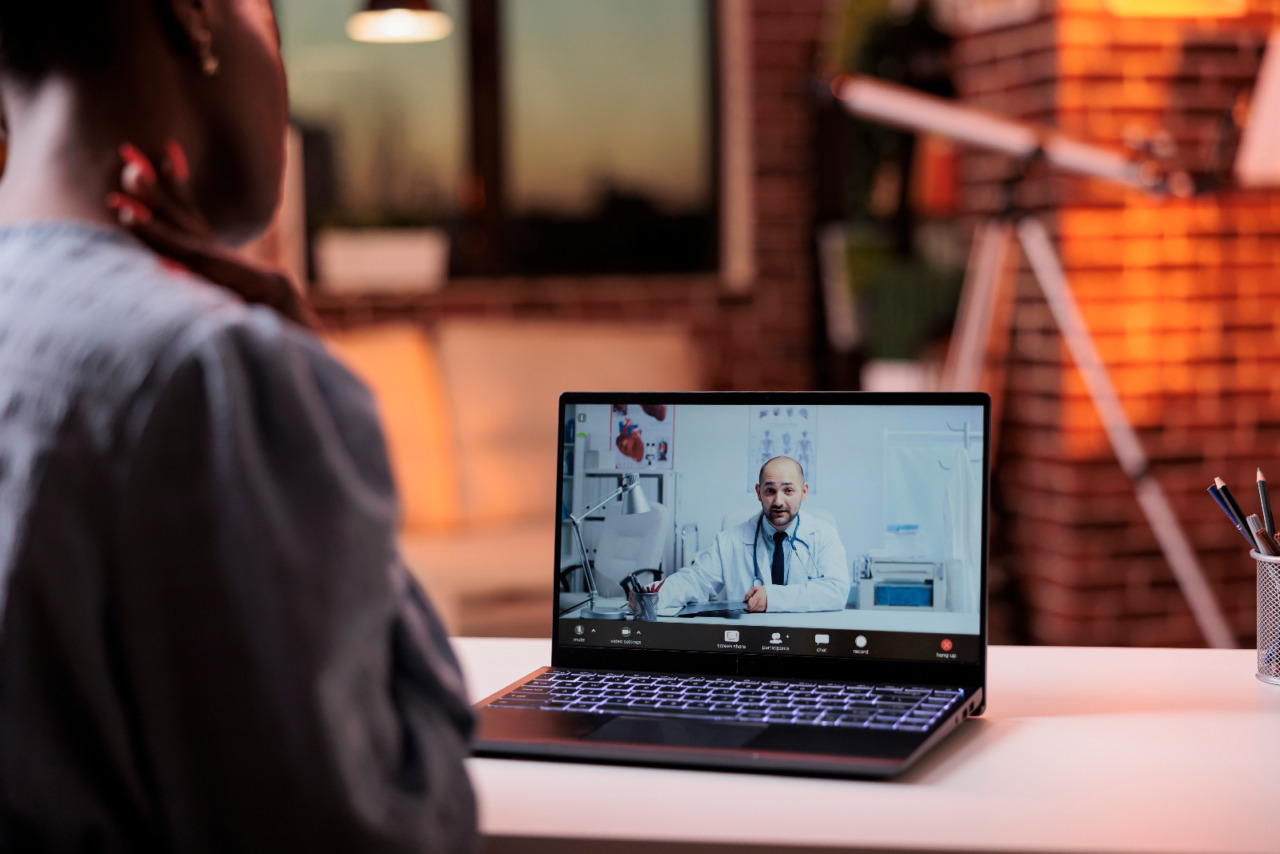
The traditional GP waiting room, with its outdated magazines and hushed, anxious atmosphere, is increasingly becoming a relic of the past. Over the last decade, and accelerated rapidly by the necessity of the pandemic, the UK’s healthcare landscape has undergone a quiet but profound revolution. At the heart of this shift is telemedicine: the integration of digital consultations, remote monitoring, and online prescription services into the fabric of daily life.
No longer seen as merely a temporary fallback for emergency triage, digital-first healthcare has matured into a sophisticated ecosystem. Today, it is reshaping how patients manage everything from acute seasonal ailments to complex, long-term lifestyle conditions.
A shift in patient autonomy and convenience
The appeal of telemedicine for the modern UK patient lies in its alignment with contemporary life. In an era of instant delivery and on-demand services, the friction of taking half a day off work to secure an in-person GP appointment is increasingly difficult to justify for routine consultations. Telehealth bridges this gap, offering unprecedented convenience.
However, the benefits extend far beyond simple scheduling. For many, digital consultations remove the psychological barriers often associated with clinical environments. Patients can discuss sensitive health concerns from the comfort and privacy of their own homes, leading to more open communication and, ultimately, better clinical outcomes.
This digital-first approach has proved particularly transformative in areas of healthcare that require ongoing, highly personalized support – most notably, weight management.
The digital frontier of weight management

In the UK, public health discussions are increasingly focused on the challenges of metabolic health and obesity. Historically, weight management support has been fragmented, relying heavily on self-guided lifestyle changes or infrequent clinical check-ins.
Telemedicine has radically altered this dynamic by introducing continuous, integrated care models. Managing weight successfully is rarely a linear process; it requires ongoing clinical oversight, lifestyle adjustments, and behavioral support. Digital platforms are uniquely equipped to deliver this multi-layered approach.
Through virtual clinics, patients can access medical professionals who specialize in metabolic health without geographic limitations. Clinicians can monitor progress remotely, adjust treatment plans dynamically, and offer support when patients need it most. Furthermore, the rise of clinically approved weight-loss medications has highlighted the need for robust, regulated medical oversight—something digital healthcare platforms are designed to streamline.
In the private sector, platforms such as DoktorABC, BeeHealthy, Doctor Care Anywhere or TELEMEDY have structured their offerings to address these specific wellness goals, linking patients with licensed doctors for consultations, prescribing appropriate treatments where medically indicated, and arranging discreet home delivery. This editorial integration of clinical advice and direct-to-door pharmaceutical care represents a massive shift in how public health interventions are delivered.
Balancing safety, regulation, and the human touch

As the digital healthcare sector expands, the conversation has naturally turned toward safety and regulation. The Care Quality Commission (CQC) and the General Pharmaceutical Council (GPhC) maintain stringent standards for online providers operating in the UK, ensuring that digital consultations meet the same rigorous safety benchmarks as face-to-face appointments.
For telemedicine to succeed in the long term, it must not completely replace the human element of medicine, but rather enhance it. The most effective digital platforms are those that use technology to handle administrative hurdles—such as booking, prescription renewals, and basic data collection—thereby freeing up clinicians to focus on high-quality patient communication.
Moreover, telehealth is proving to be a valuable ally to the NHS. By absorbing the demand for routine consultations, wellness monitoring, and lifestyle-related treatments, private digital platforms help alleviate the strain on primary care services, allowing physical clinics to focus on patients with urgent or acute clinical needs.
The future of personal wellness
We are only beginning to scratch the surface of what digital healthcare can achieve. As wearable health tech, artificial intelligence, and personalized medicine continue to advance, the telemedicine platforms of tomorrow will likely offer even more precise, data-driven insights into our daily health.
Ultimately, the rise of telemedicine represents a fundamental democratization of healthcare. By placing clinical expertise, treatment plans, and continuous support directly into the palm of the patient’s hand, it empowers individuals to take proactive control of their well-being. Whether managing a chronic condition or embarking on a structured weight management journey, the digital clinic is proving that the future of medicine is personal, accessible, and entirely online.
The editorial unit























Facebook
Twitter
Instagram
YouTube
RSS