
End of the World and Hard Boiled Wonderland at Barbican Theatre
 9 October 2026
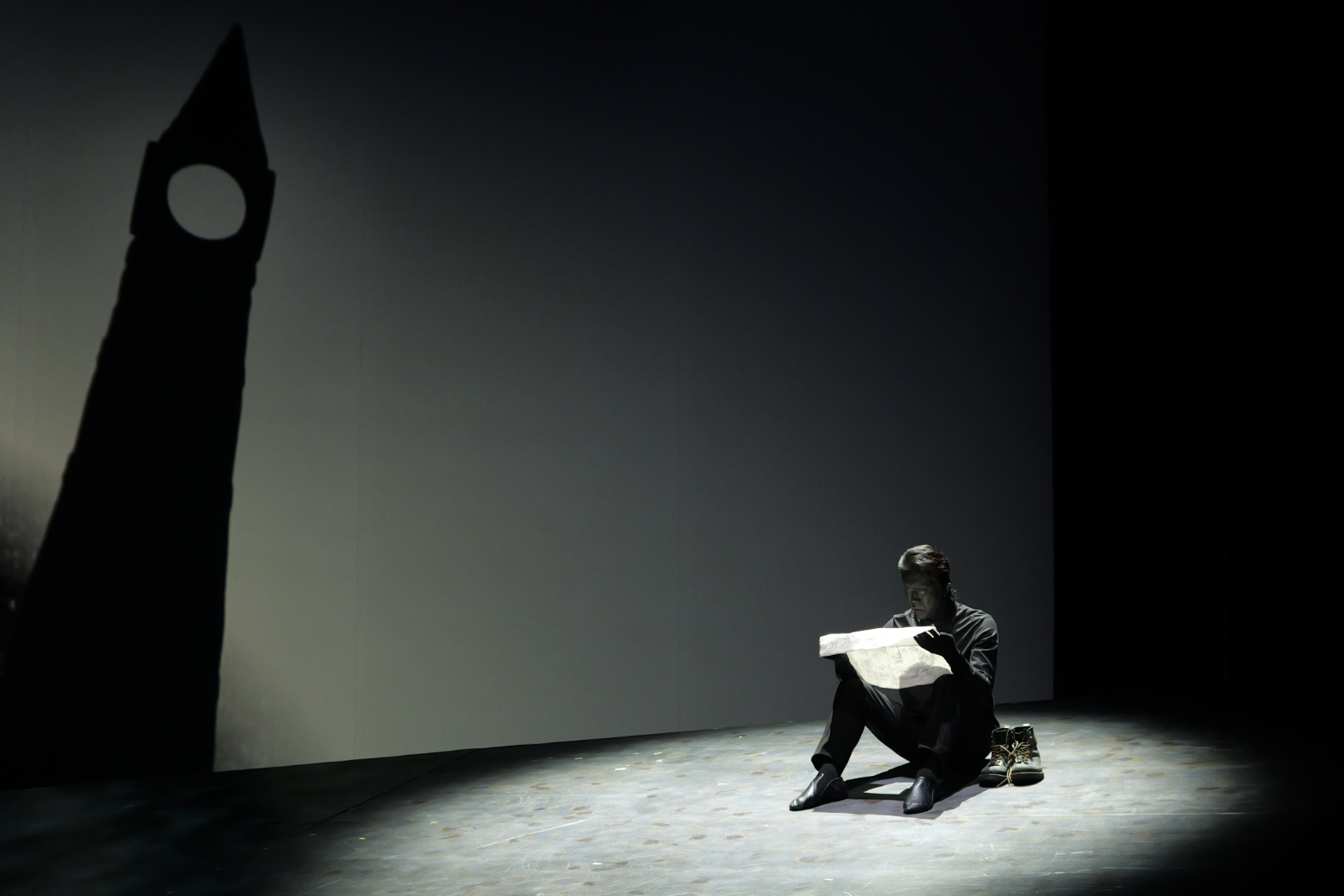
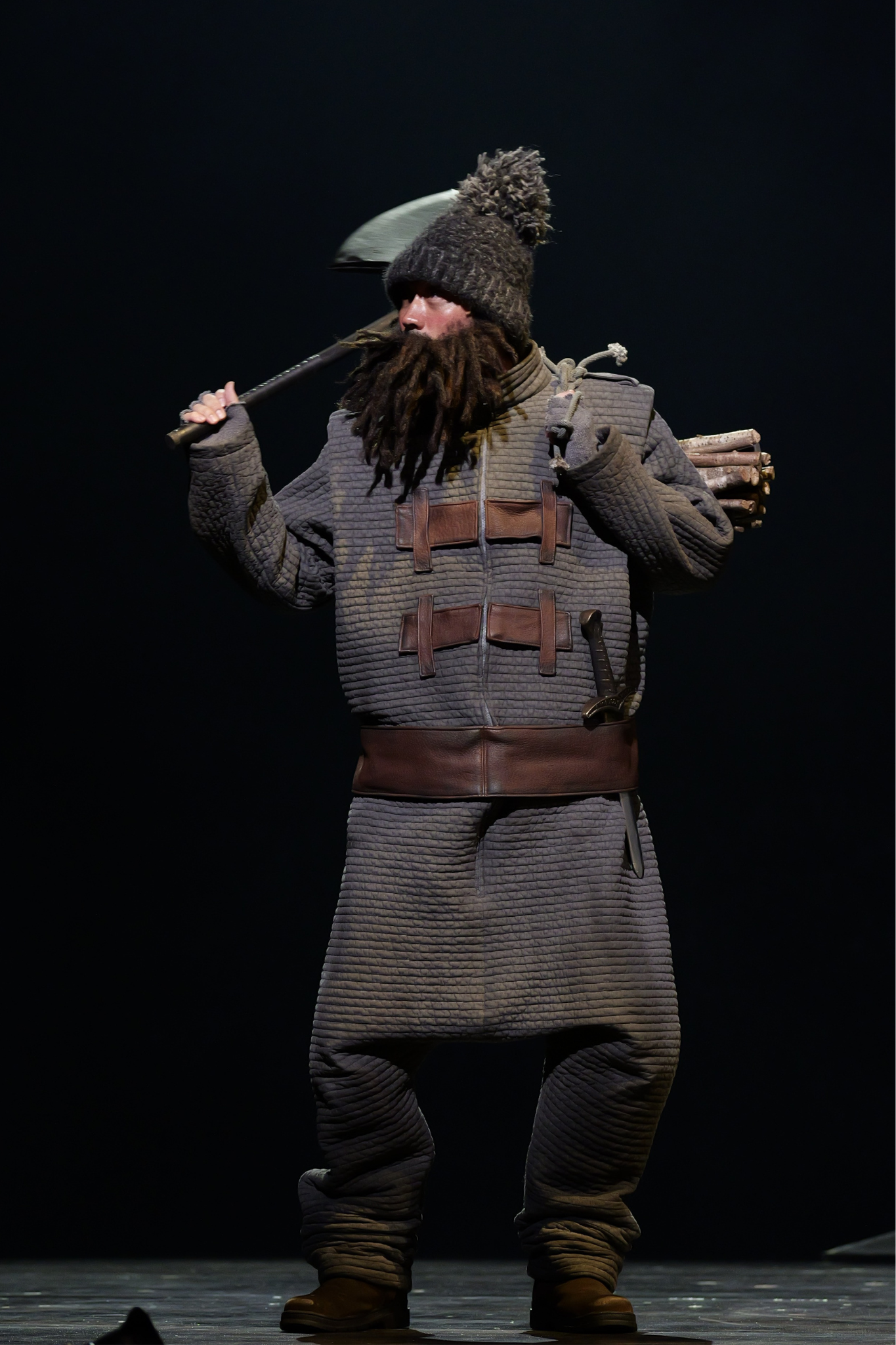
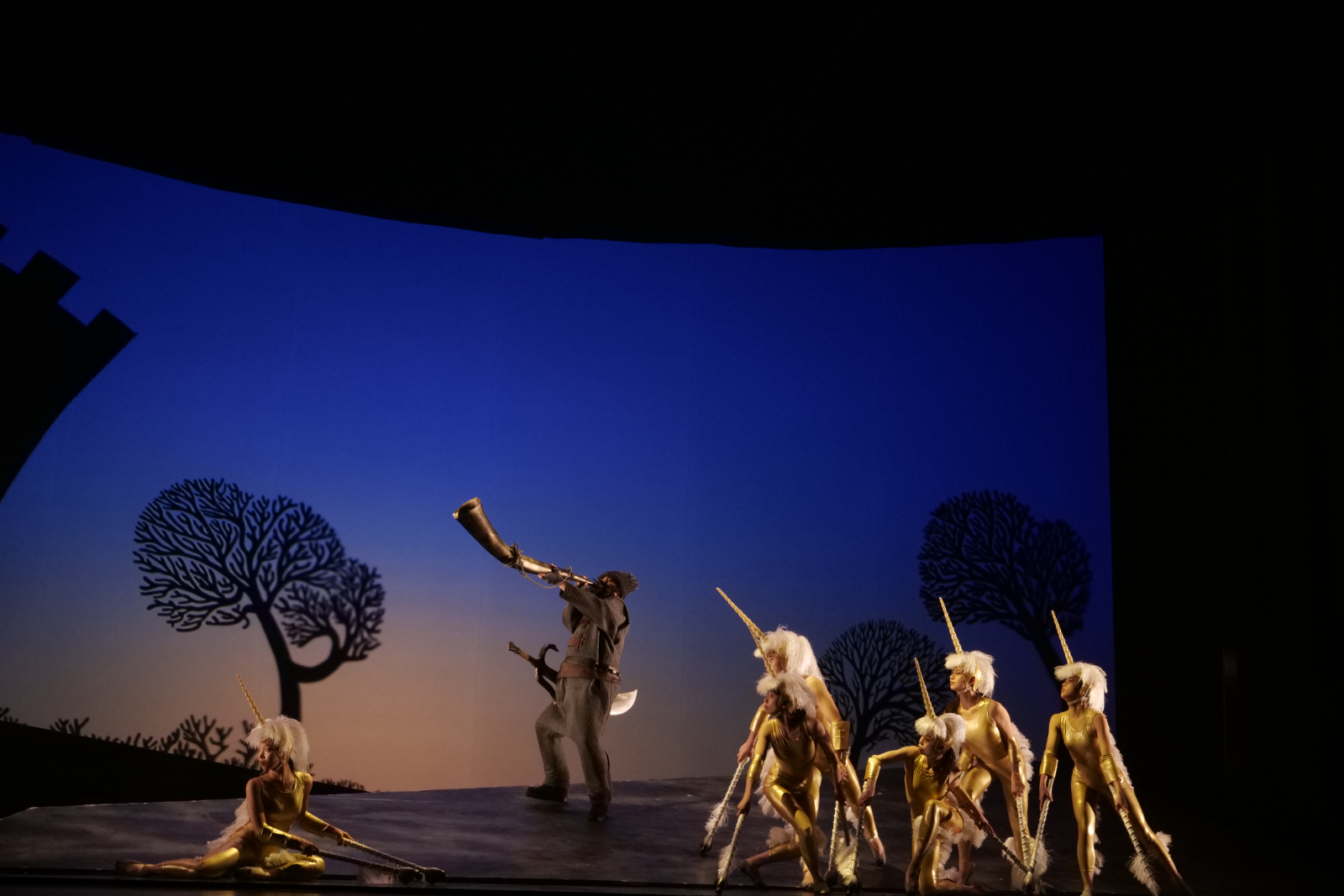
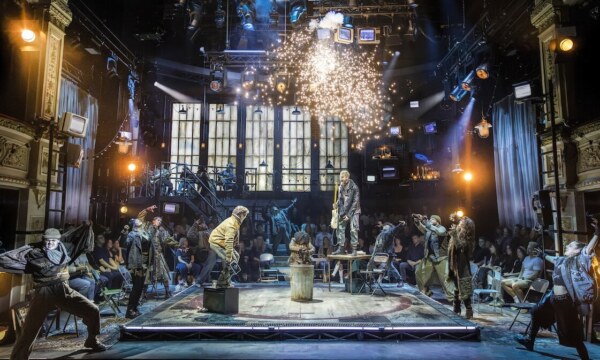
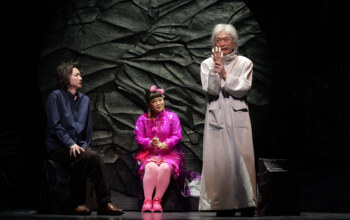
As with Haruki Murakami’s 1985 source novel, director Philippe Decouflé’s ambitious new stage version of End of the World and Hard Boiled Wonderland is out to confront the very nature of the self. What becomes of a human soul separated from its memories, both the joyful and the pained? Must one make peace with the shadow selves hiding behind one’s better natures, or ought one to do away with them altogether? Naturally, the delivery system for these questions is as heady and high concept as one would expect of Murakami, now blended with the same deadpan techno-surrealism Decouflé brought to his oddball music video for New Order’s True Faith. Dancers on stilts slink onto the stage as herds of ebullient unicorns that reside in an enchanted forest, before later appearing as the sewer-dwelling boogeymen of a dystopian future Tokyo, now resembling a menacing crossbreed of a porcupine and a gnarled old tree. Joining both in ornately choreographed dance routines is a quite literal shadow; man-shaped, severed from his host and able to give eloquent vent to his own emotions while roaming the world alone (Shuntaro Miyao plays him in full body make-up). There’s even room for a Busby Berkeley-style, umbrella-forward dance number set on a rainy city street. This reviewer couldn’t state its plot relevance with any certainty, but it comes close to scoring a mid-show ovation.
If one takes it purely as a sensory experience, End of the World exerts a hypnotic tractor beam pull, awash in strikingly imaginative imagery. One may even be tempted to forgo the subtitles projected onscreen in favour of letting the dreamy, luxuriant strangeness of Decouflé’s production wash over one. In contrast to all the fluid artistry onstage, the duelling plots of Murakami’s book can feel like a cumbersome obligation, demanding attention without guarantee of reward.
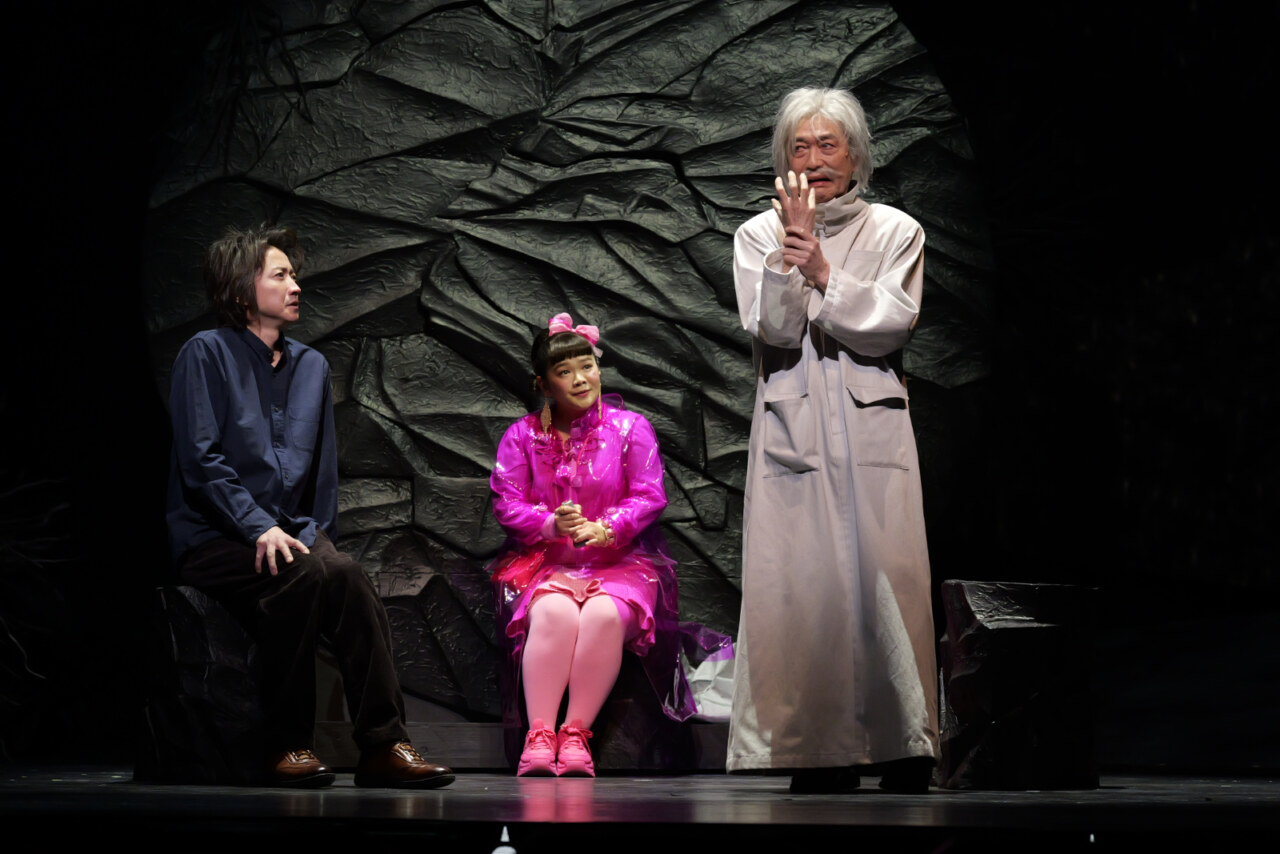
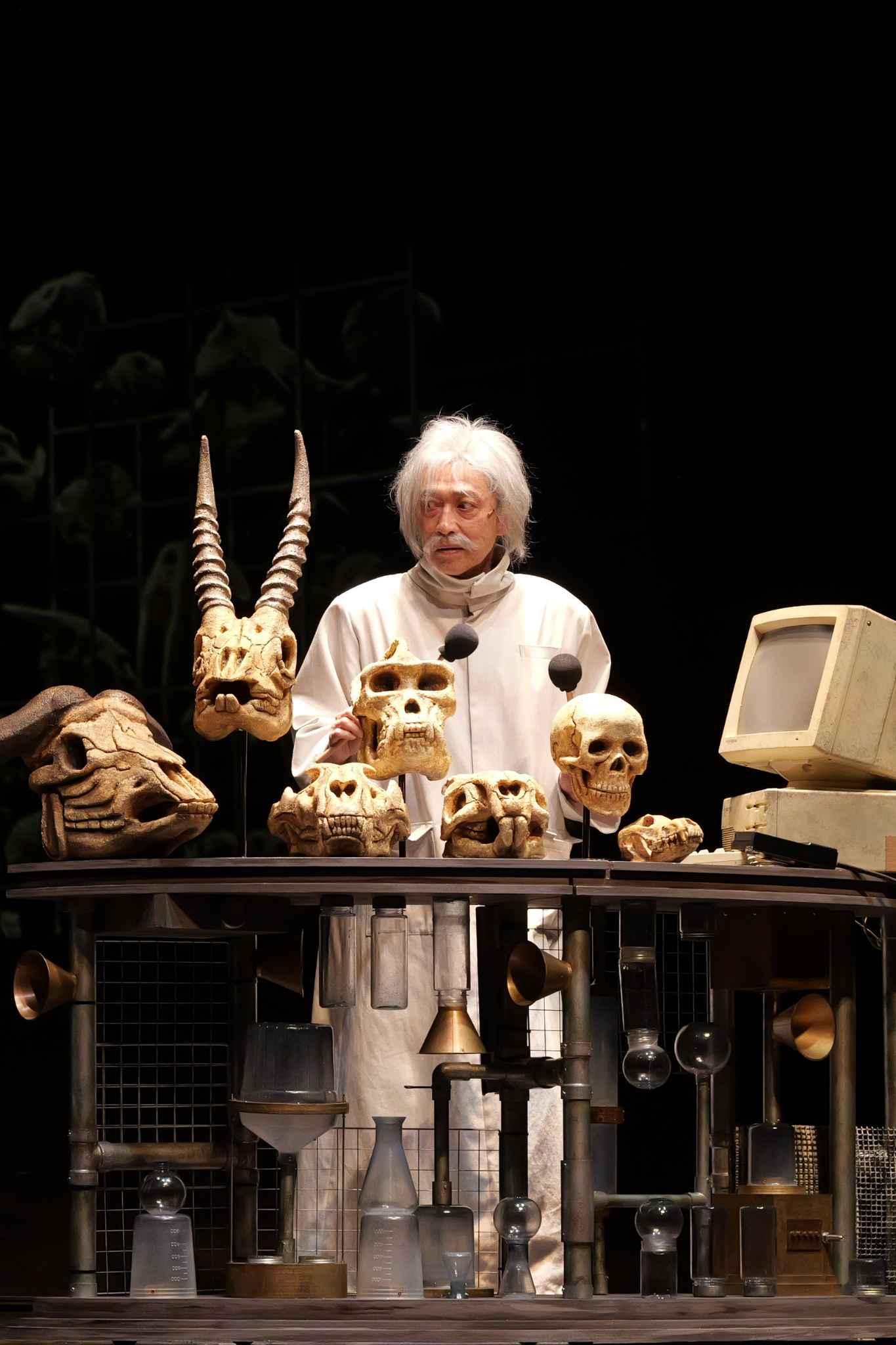
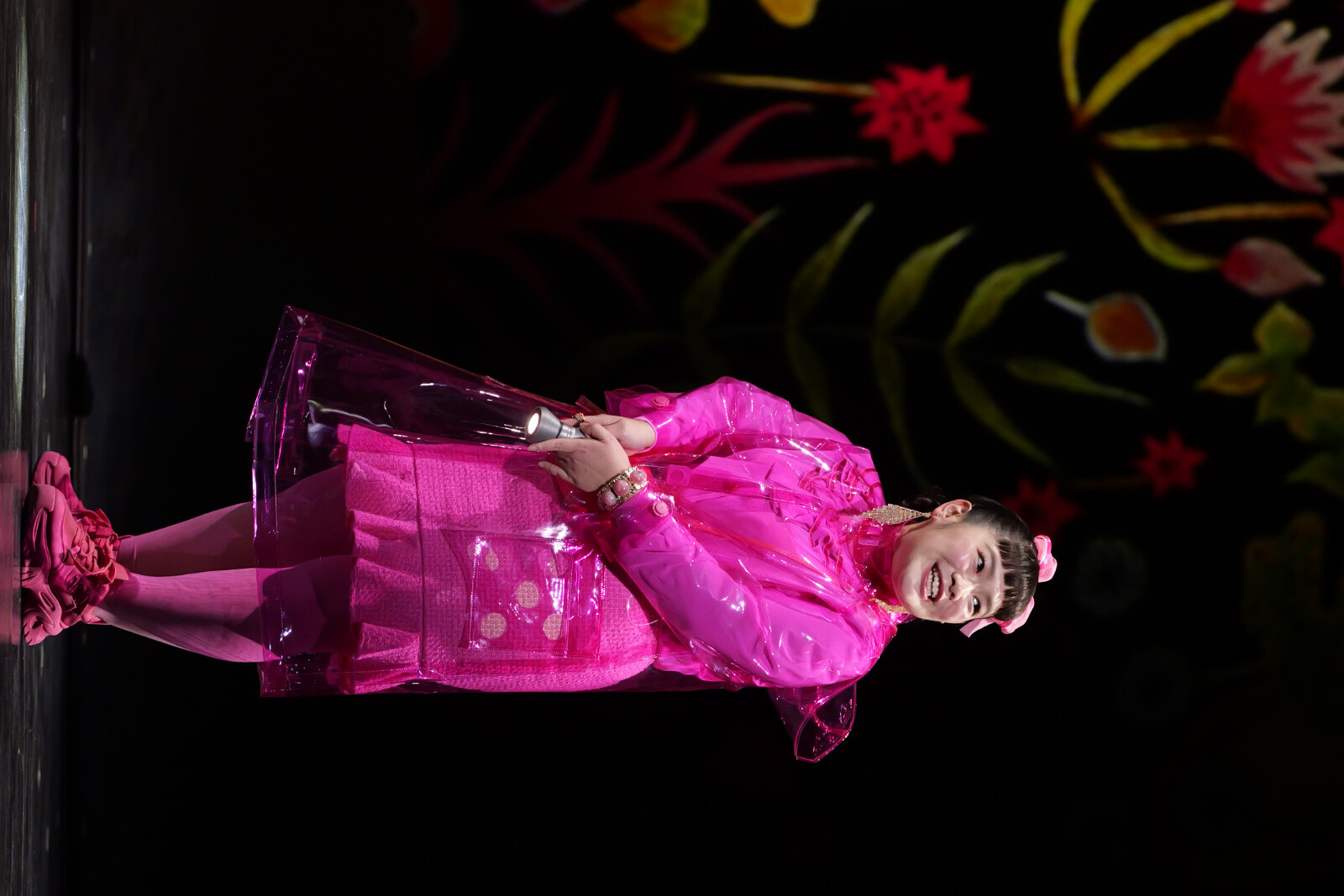
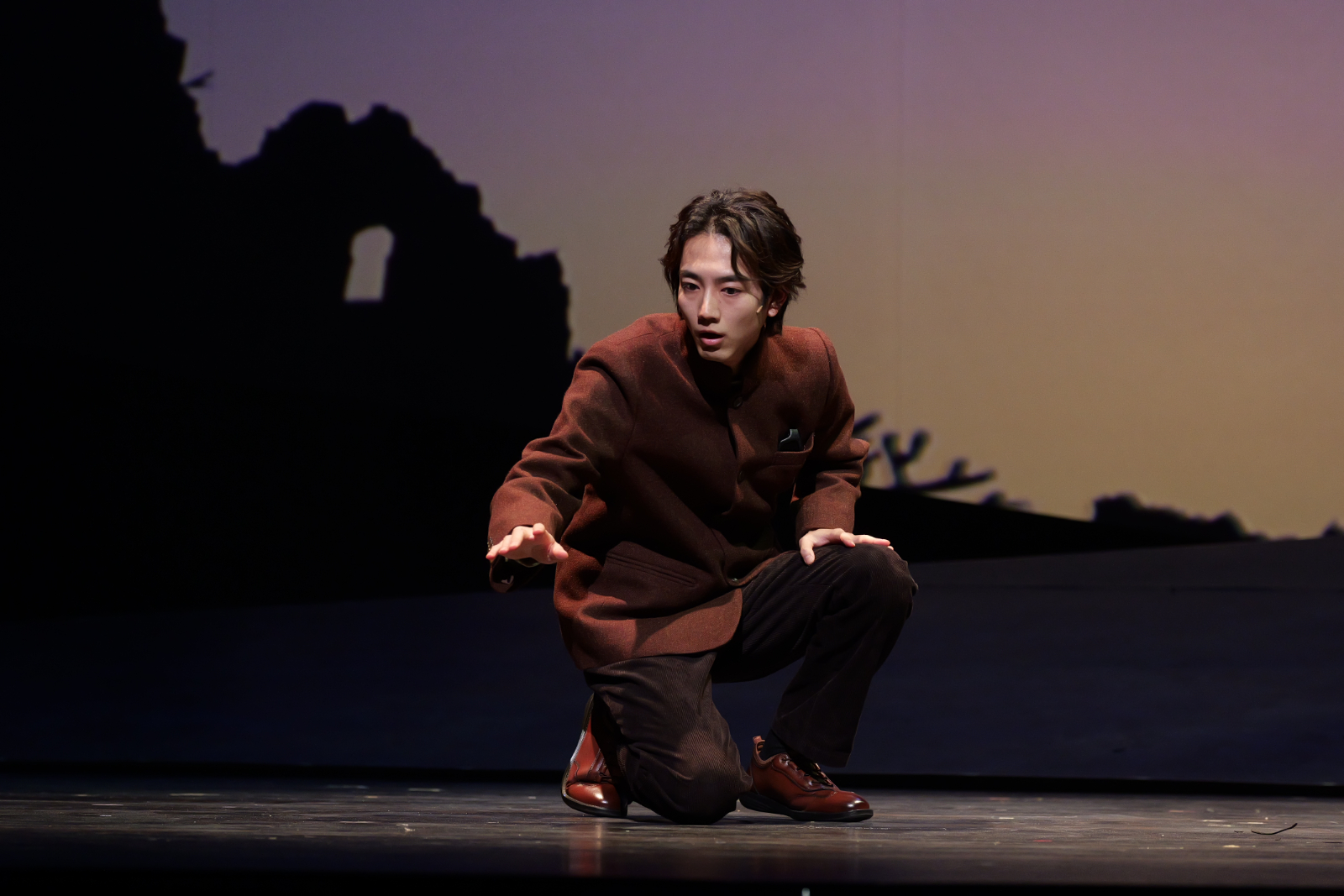
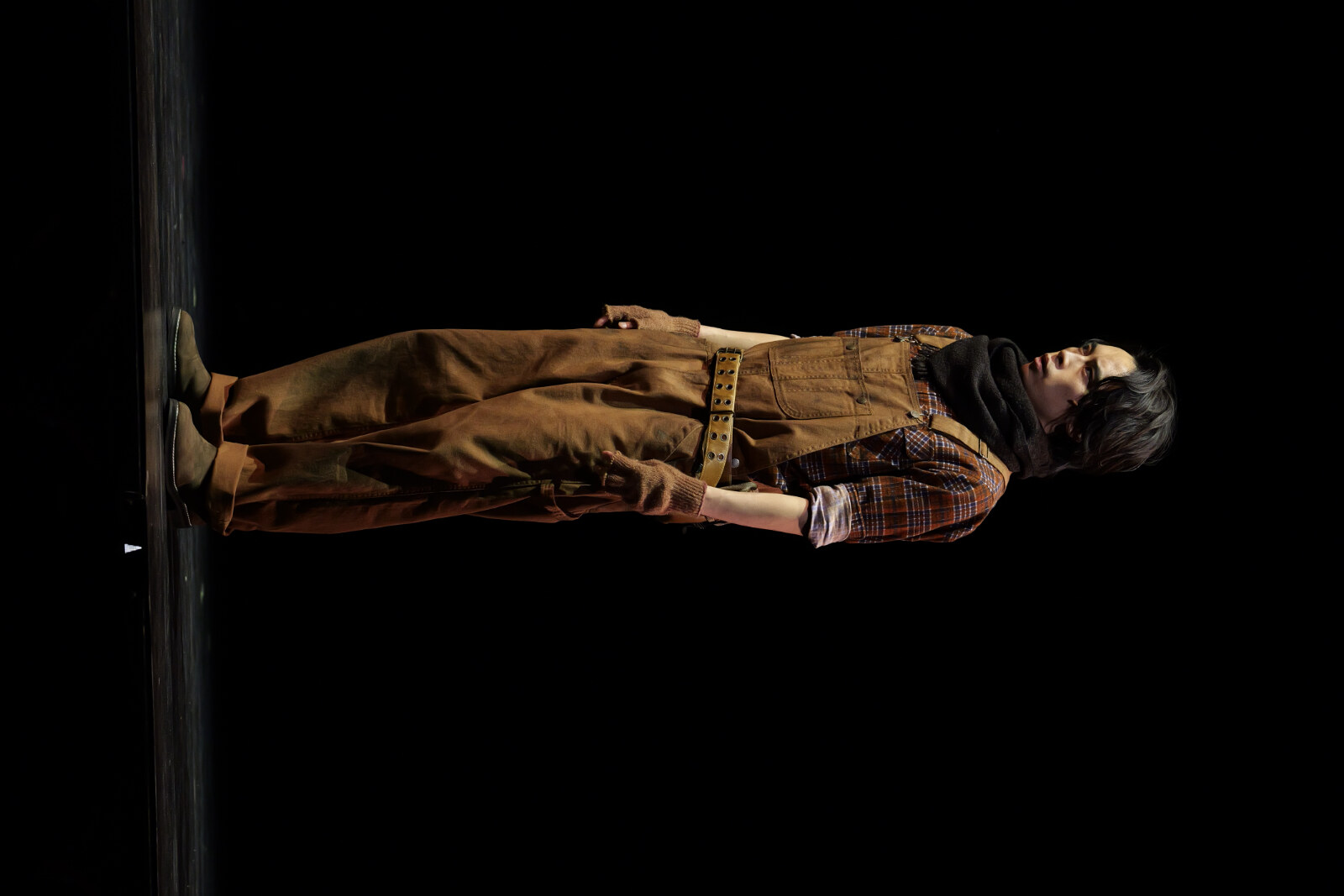
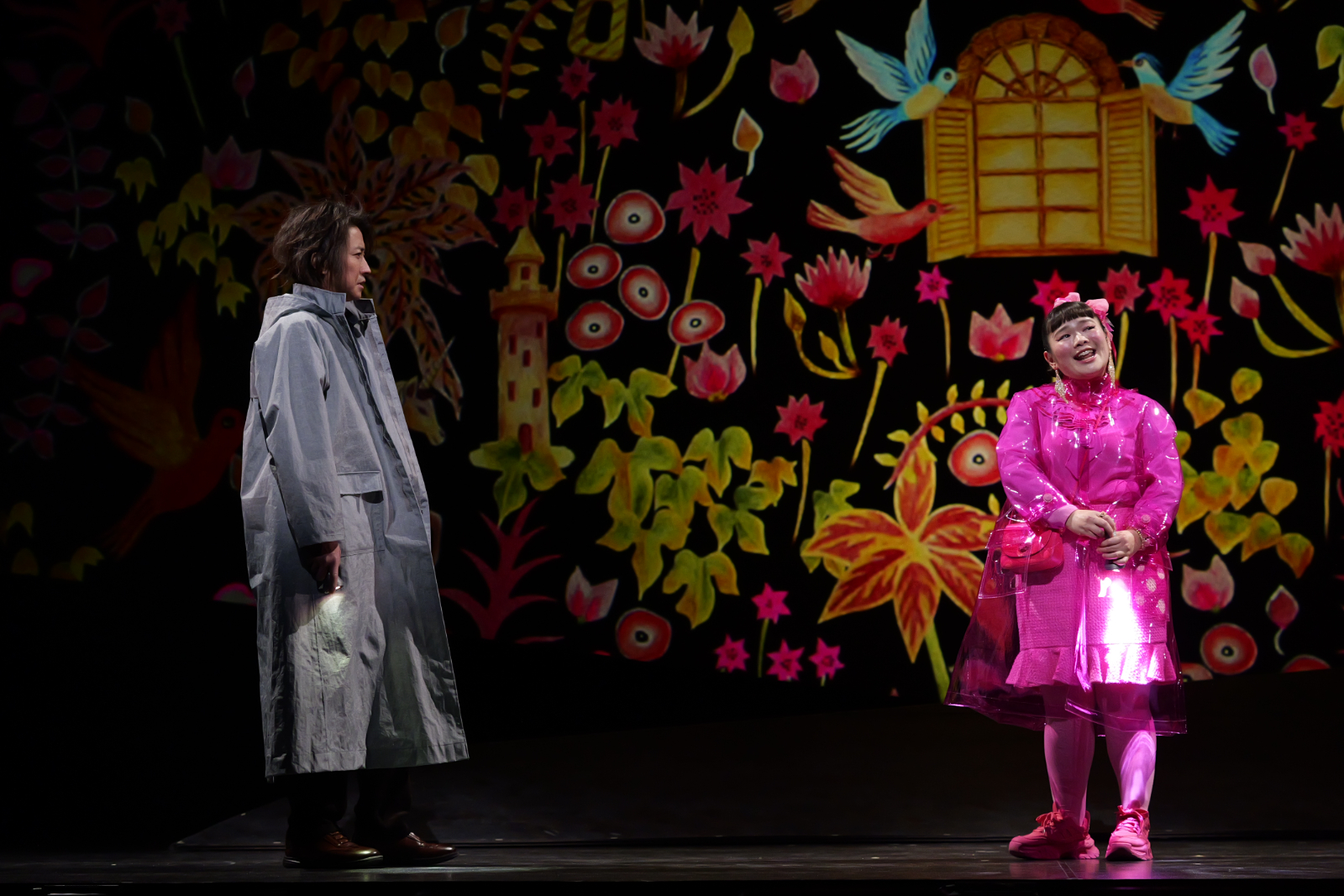
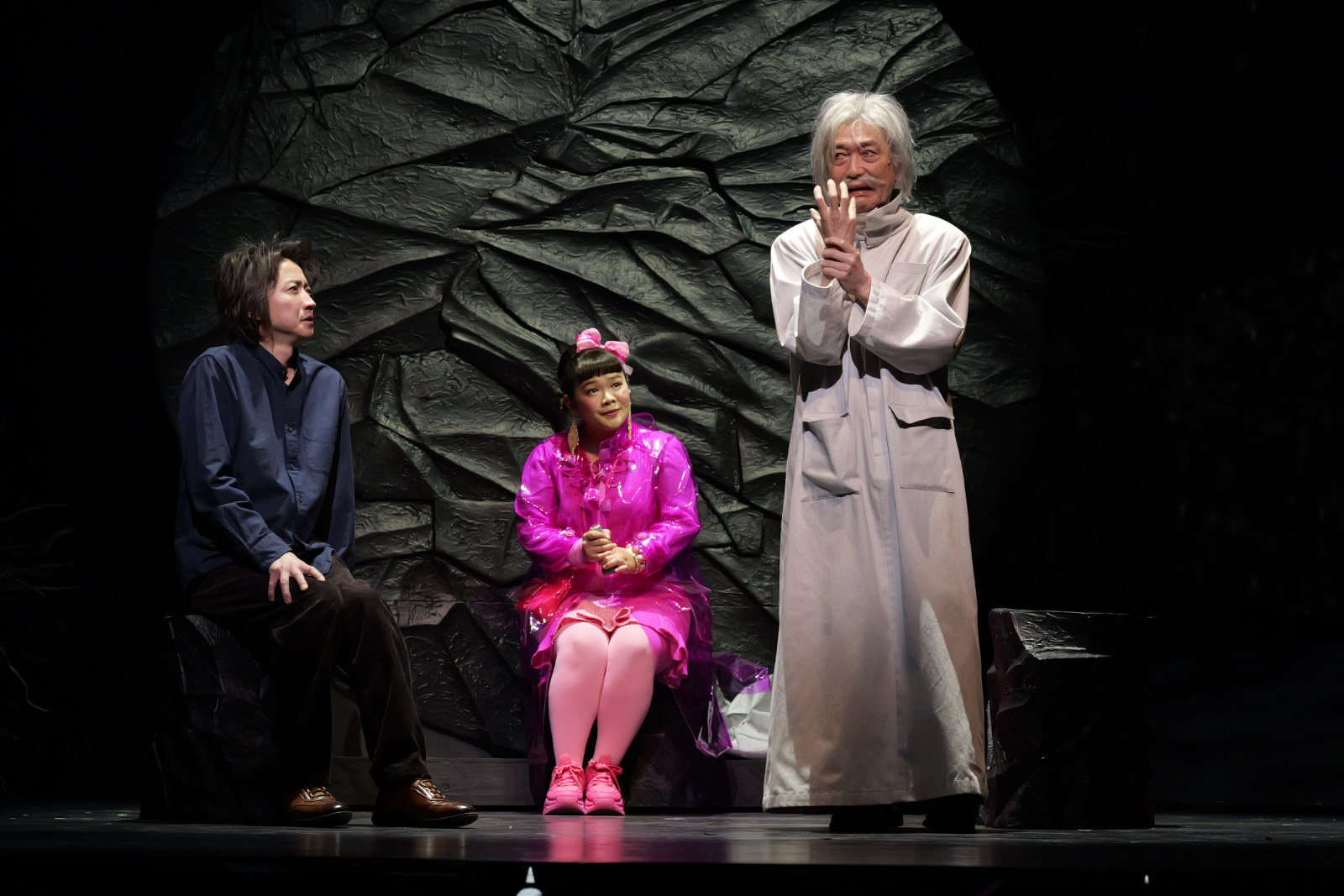
In one plotline, a future-world tech expert (Tatsuya Fujiwara) is led down the rabbit hole by the ravings of a mad professor (Narushi Ikeda) and the eager, half-reciprocated flirtations of said professor’s underage granddaughter (Miu Tomita). When it comes time for the lead to assure her with exhausted nobility that it is not her weight so much as his own demons that prevent him from sleeping with her, one wonders if End of the World might have done away with some of its source author’s yuckier literary tics. More engaging is the second thread, this time following a man into the walls of a closed-off town (it is here that the previously mentioned shadow-severing occurs). The inhabitants the walls contain appear to have dispensed with memory and emotion altogether, and only the dreams contained within the skulls of unicorns may answer where it all went. Keeping up?
In many respects, Ako Takahashi’s adaptation is an impressive work of condensation; wrangling such density of theme and incident into something resembling a conventional theatrical shape is no small feat. Still, the result can be wordy, its pacing sleepily unhurried, its characters too thin to stir up much feeling. The force and specificity of its vision will outlast the conclusions it hopes to reach in the memory.
Ultimately, this lush, atmospheric new Murakami adaptation honours the singular strangeness and narrative lumpiness of its source material in equal measure. The play is most readily appreciated as a feast of dreamlike imagery. When it comes to its story, mileage may vary.
Thomas Messner
Photos: Ed Maitland Smith
End of the World and Hard Boiled Wonderland is at Barbican Theatre from 8th until 11th October 2026. For further information or to book, visit the theatre’s website here.
Watch the trailer for End of the World and Hard Boiled Wonderland at Barbican Theatre here:









Facebook
Twitter
Instagram
YouTube
RSS