How giant inflatable scenery can transform a live performance
Sponsored content
Imagine a stage that begins as an ordinary garden. As the story unfolds, a towering beanstalk changes its proportions, making the performers seem small. The attraction is not simply the size of the object. It is the way that one visual decision helps the audience enter a different world, with its own atmosphere and possibilities.
For creative teams considering giant inflatables for live performances, the starting point should be that dramatic purpose. A sculptural character, exaggerated plant or unfamiliar landscape can become part of the production’s visual language rather than an impressive object that happens to sit behind the action.
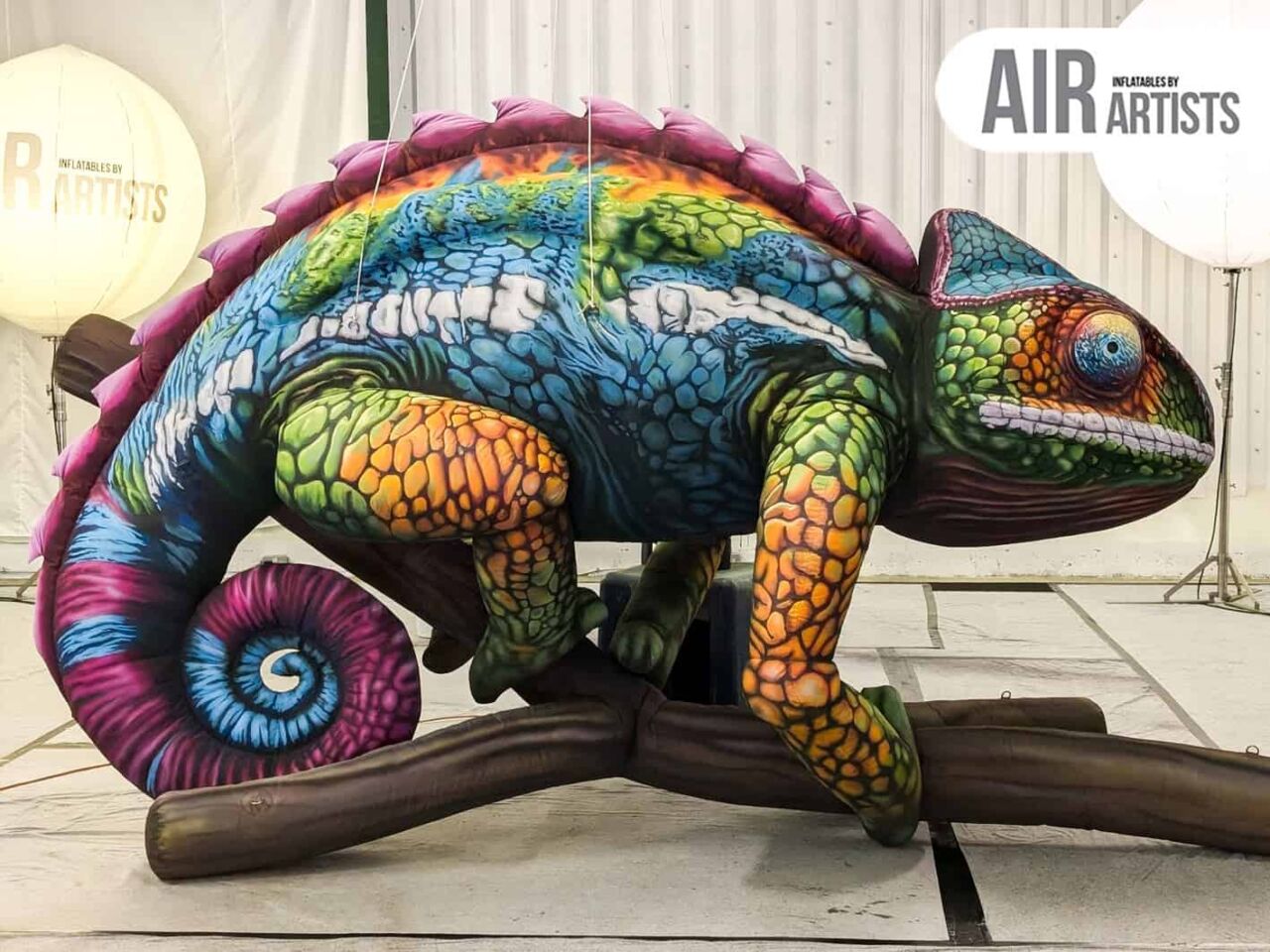
Exploring bespoke inflatable art for stage productions also invites a more considered approach to shape, surface and character. Instead of treating the scenery as a background, develop it alongside the performance. The most useful design is one that supports the story while respecting the space, performers and production team around it.
Start with the dramatic moment
Before discussing dimensions, decide what the audience should feel when the scenery appears. Wonder, unease, humour and celebration suggest different creative directions. An oversized flower might make a scene playful, while an unfamiliar creature could introduce a more unsettling tone. Choose the emotional purpose first, then explore forms that express it.
Write a brief describing the moment without naming a particular object. Perhaps the setting should suddenly feel wild and overgrown, or a small character should appear to confront an enormous obstacle. Share that brief with the designer, director and lighting team. It gives everyone a common reference when judging sketches and prevents attractive details from gradually pulling the concept away from the production’s central idea.
Give scale a clear purpose
A giant piece does not need to fill every available gap. Sketch its relationship with the performers, neighbouring scenery and empty space. A broad shape might frame an ensemble, while a tall, narrow form could guide attention towards an important entrance. Compare several proportions before deciding that the largest version is necessarily the strongest.
Think about contrast within the scene. An oversized object can establish an imagined world in which ordinary proportions no longer apply. Give the audience something familiar to compare it with, such as a doorway or a performer. That relationship is often more interesting creatively than height alone. Keep the central action visible and resist adding secondary objects that compete with the main visual idea.
Treat the surface as part of the story
Discuss the finish at the same time as the silhouette. For a fantasy plant, painted shadows and contrasting leaves could suggest depth and character. A creature might need an expressive face rather than elaborate detail across every surface. Ask which features should remain noticeable from a distance and which reward a closer view.
Develop a limited palette that belongs to the production. Share costume references and lighting ideas before approving colours, rather than assessing the artwork in isolation. Request suitable samples or progress photographs, and agree how the final appearance will be reviewed. The aim is not detail for its own sake, but a finish that makes the object feel convincing within the particular world being created.
Design for every seat
A concept drawing usually offers one ideal viewpoint. A live audience does not. Ask for views from the sides and from positions that represent the nearest and furthest seats. Check whether the intended expression or outline remains understandable, and whether important performers could disappear behind the piece during the action.
Include the people working around the scenery in these conversations. A visually elegant arrangement still needs to fit the production’s movements and transitions. Mark the proposed footprint during rehearsals where practical, then explore how performers enter, pause and leave. Treat those observations as design information. Refining the position early is preferable to discovering that a beautiful feature forces an awkward compromise at every important moment in the show.
Build the reveal into the performance
Decide whether the audience will encounter the scenery immediately or discover it later. An object visible on arrival can establish the setting before the performance begins. A later reveal might suit a turning point, provided it belongs to the production rather than interrupting the action simply to attract attention.
Explore the reveal with lighting, music and movement together. A change in illumination may be more appropriate than a complicated scenic transition. Do not assume that inflation itself should become part of the performance; discuss the possibilities and limitations of the particular design with its maker. Rehearse the agreed sequence and consider what the audience sees immediately afterwards. The scene needs somewhere to go once the initial surprise has passed.
Bring creative and technical teams together
Invite the production manager and supplier into the conversation before the concept becomes fixed. Ask for the installation requirements, equipment arrangements and operating instructions for the proposed piece. Establish who will handle it, what information the venue needs and which decisions require specialist assessment. Avoid borrowing assumptions from a different inflatable or an earlier production.
Build those requirements into the schedule. Allow time for delivery, preparation, checks and rehearsal, alongside the other departments’ work. Discuss how the piece will be removed and packed, not only how it will appear on stage. A clear division of responsibilities helps the creative team focus on the performance without leaving practical questions unresolved until the final hours before opening.
Make the scenery work beyond opening night
For a touring production, review each venue against the agreed requirements rather than assuming that an identical arrangement will work everywhere. Keep packing instructions, inspection information and approved layouts accessible to the responsible team. Plan storage and any repairs with the supplier.
After the first performances, ask what the scenery contributed. Did its arrival support the intended emotion? Could audiences understand the form from different positions? Use that feedback to refine the presentation. The strongest inflatable scenery does more than provide a large photograph: it earns a lasting role in how the production tells its story.
The editorial unit
- 1
- 2
- 3
George Michael: The Faith Tour
Antonia Georgiou
- 4
La Roux – Old Flames
Mark Worgan
- 5
Andrew Lloyd Webber’s Starlight Express: Live on Stage
Jennifer Hensey
How to Rob a Bank
Antonia Georgiou

Cloud 9 at the National Theatre
Dionysia Afolabi
Fjord
Selina Sondermann
Nick Ward – Year of the Snake
Dionysia Afolabi