
“When you have a buzz in the room, that’s the best feeling. That’s why you do music”: An interview with Editors’ Russell Leetch and Elliott Williams

 3 November 2026
For Editors, a song left off one album is not abandoned. Ideas that stalled in one session resurface a decade later, and songs that ended up as studio ballads go back to full-band form on stage. Their eighth album, Surface, Echo & Sound, out on 30th October via Play It Again Sam, is the latest proof: Much Love dates back to the time of In This Light and on This Evening and its sessions with Flood, while Seriously had been sitting with Tom Smith for a while, tried out with Andy Burrows before it reached the band.
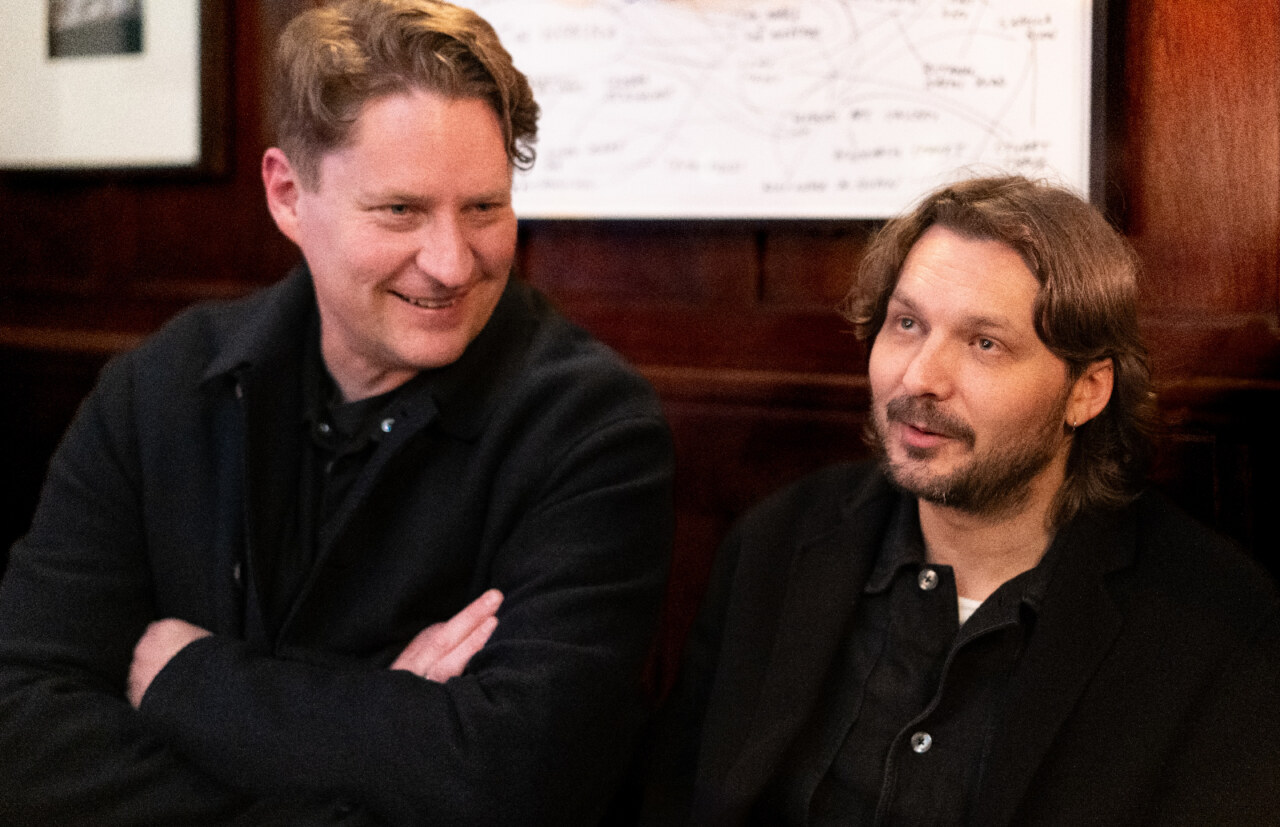
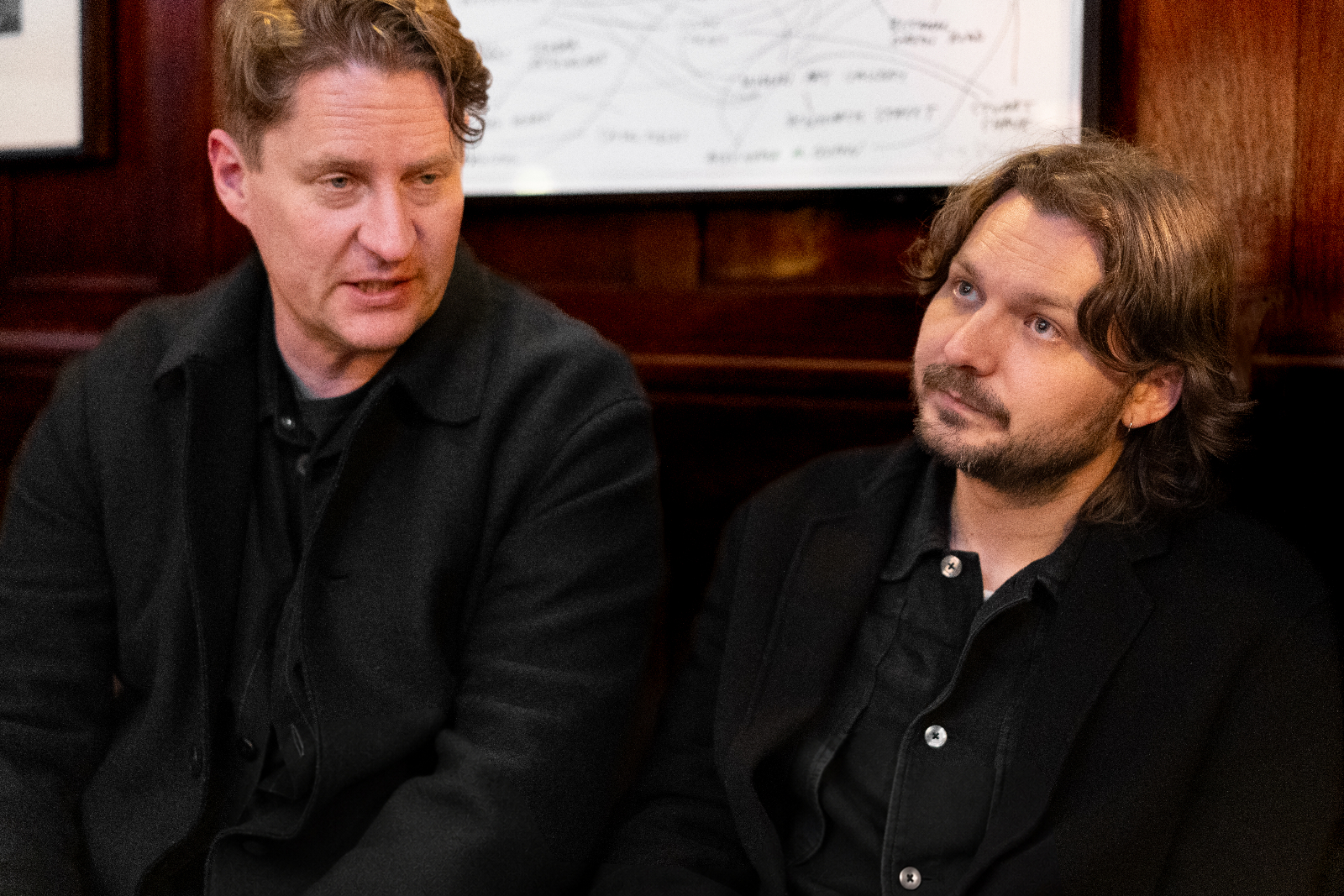
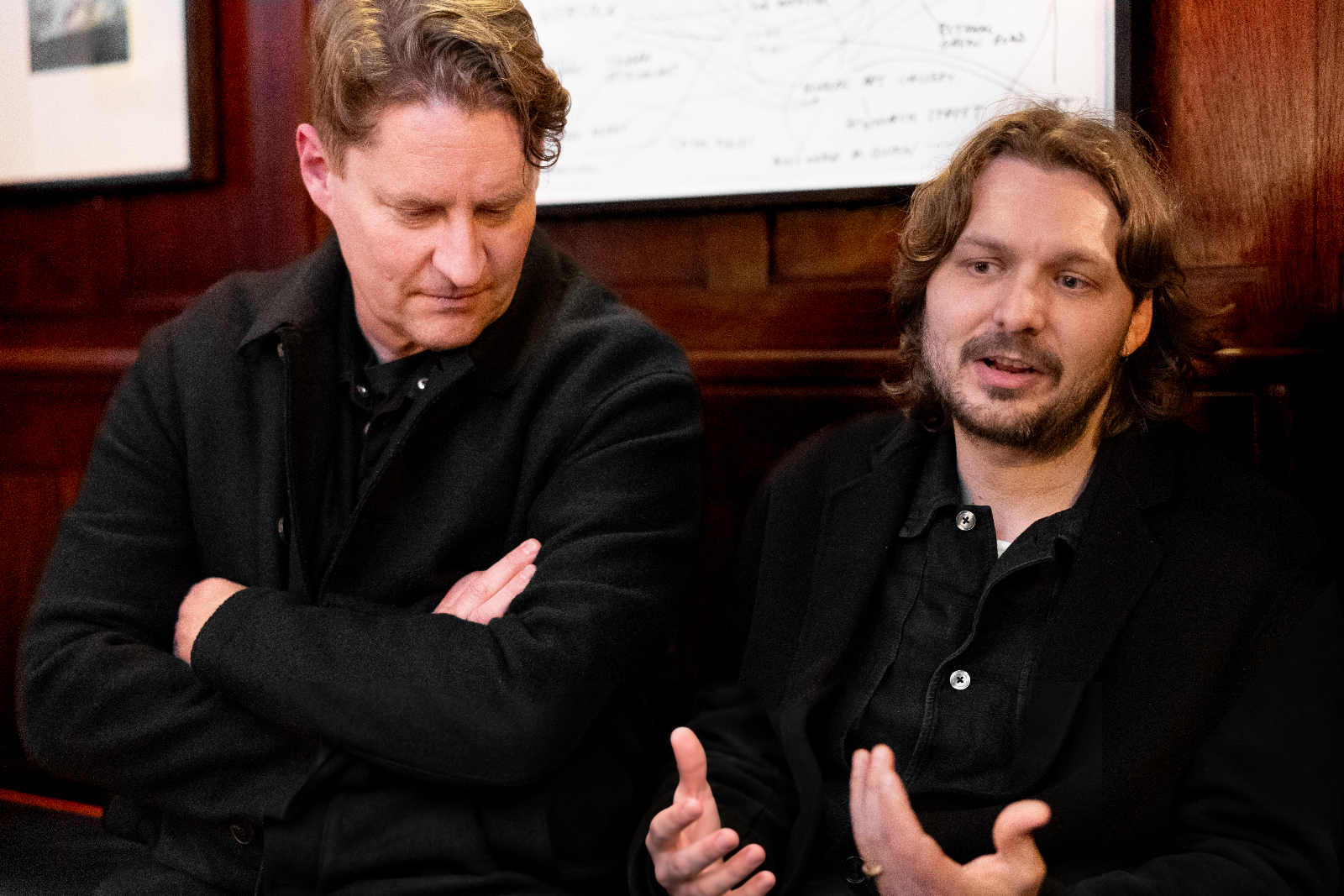
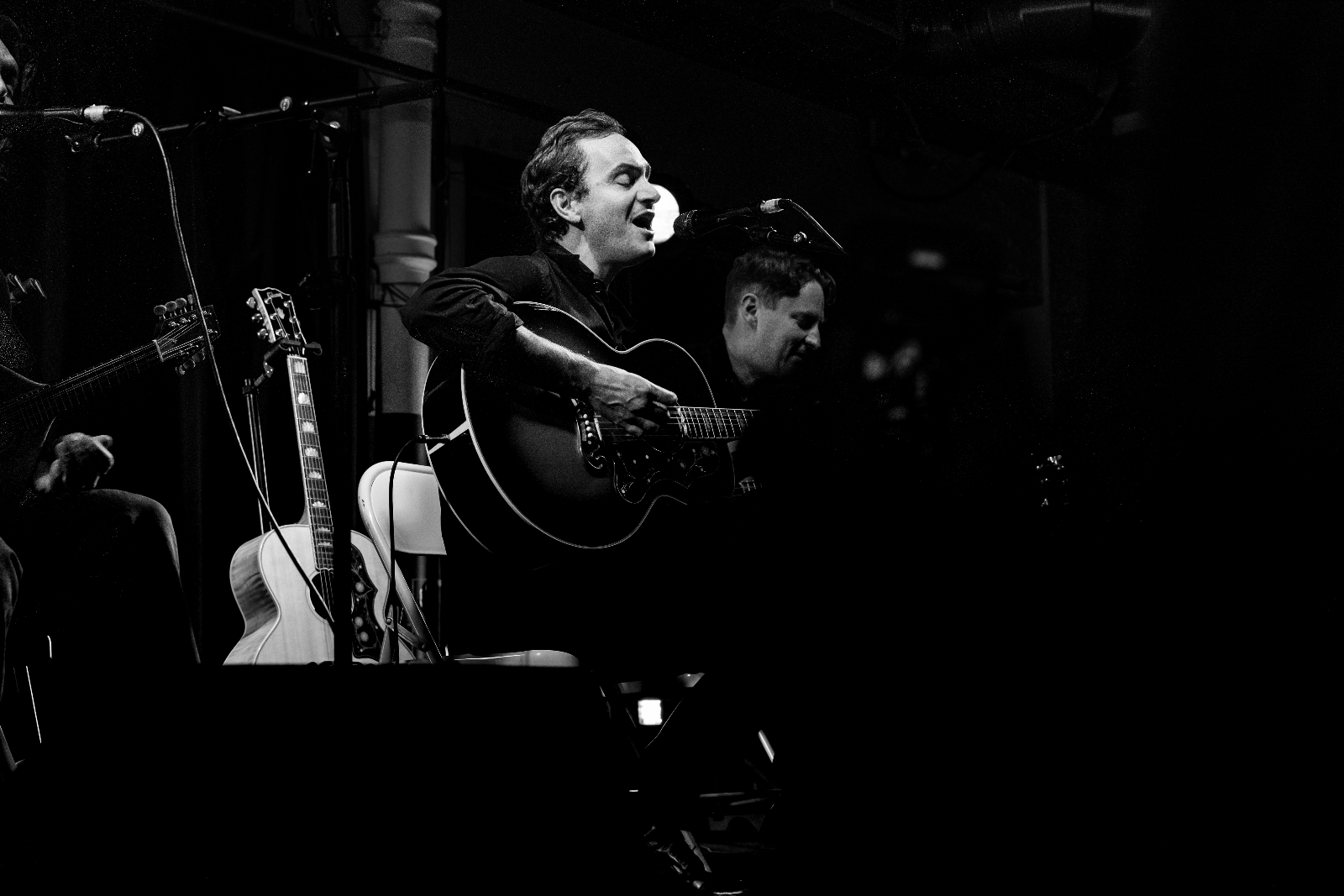
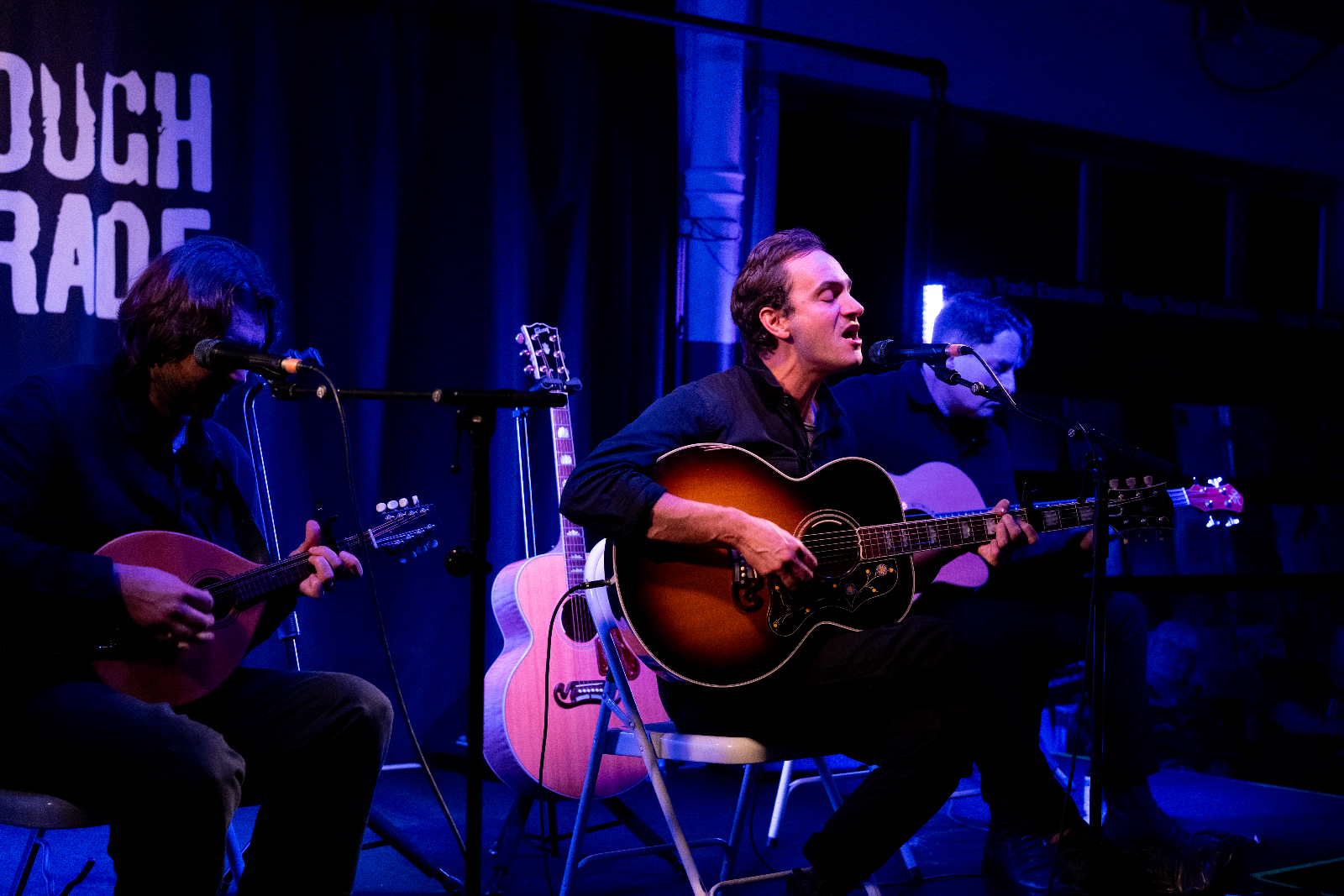
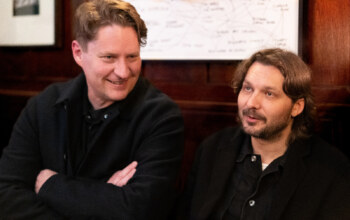
Ahead of their second show of the day at Rough Trade East, we had a chat with bassist Russell Leetch and multi-instrumentalist Elliott Williams about the band’s return to a more acoustic sound. After the electronics of EBM, Editors went back to where it all started: Tom brought in songs born on acoustic guitar and the band worked them out together in a room, as they did in their early days, with guitarist Justin Lockey recording and producing. Along the way, they also shared the stories behind some of the songs from two decades of records.
You have just played the first of two shows today. How was it playing the new record, and how was the audience?
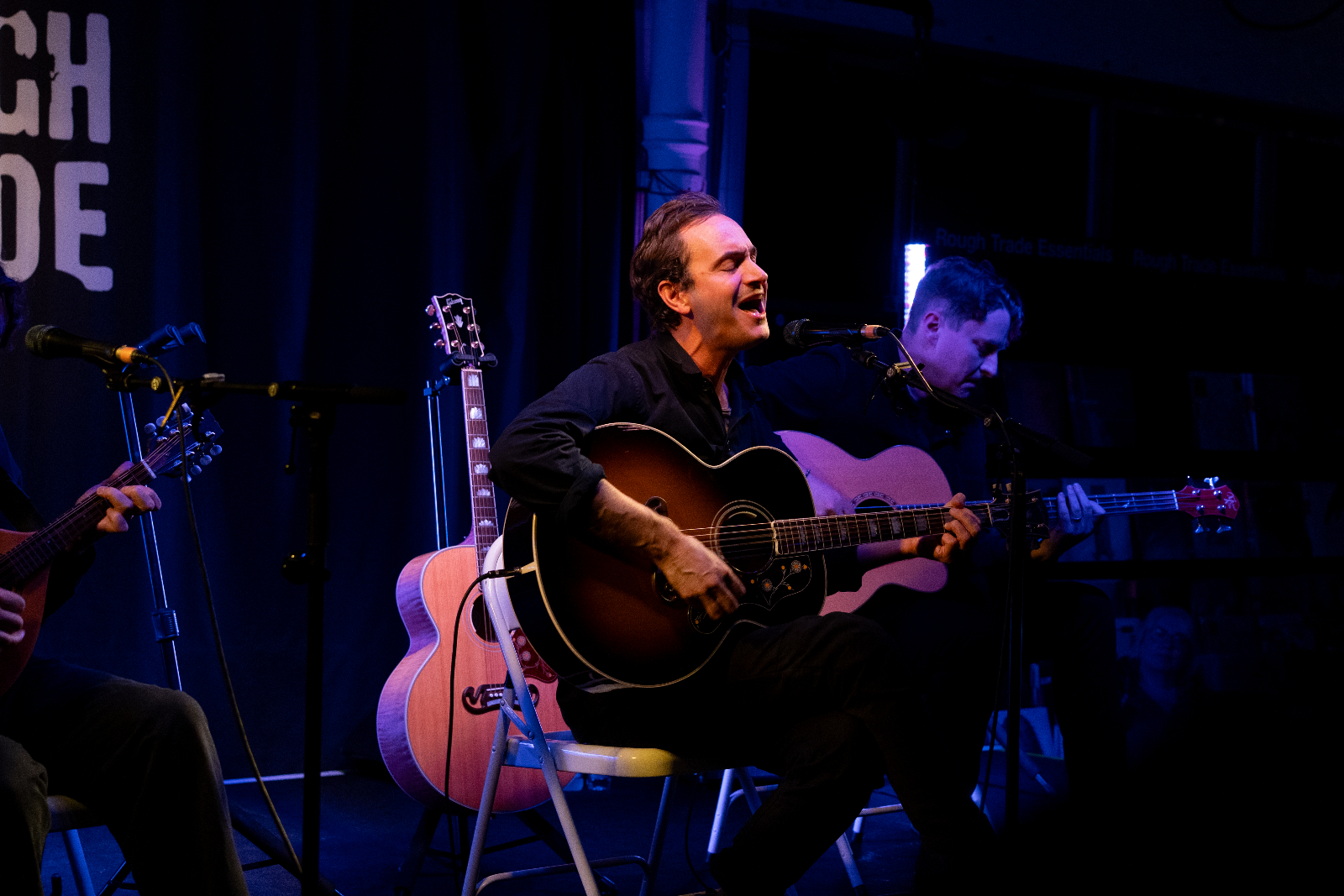
Elliott Williams: Yeah, it’s been great. We’ve been out in Europe for the last week in the run-up to the record and now we’re out doing some stuff in the UK just after the record. I think this album is quite intimate and comes from a more acoustic kind of space anyway, so doing this kind of thing, where I’m playing mandolin, Russell’s playing acoustic bass and Tom’s playing guitar, it kind of suits the vibe. So it’s been nice to come out and show it to people in that format. It’s worked really well. I think the matinee is always a little bit more reserved – people have just finished work or they’re not in work – whereas in the evenings some people have been in the pub, including us. So it should hopefully be a bit more lively.
Russell Leetch: A bit looser.
Do you enjoy the dynamic of a double show?
EW: We’re getting used to it now. I feel like the Beatles in Hamburg.
RL: Yeah, it’s not something we usually do. When we play live as a full band it’s a full-on, two-hour kind of sweat, and we wouldn’t be able to do [two].
EW: I hope our agent doesn’t get any ideas.
How does writing a new record work? Does Tom bring new songs into the studio, or do you start by playing something together?
RL: Initially it’s always verse and chorus off Tom, and then we go in and say, why don’t we do it this way or that way, maybe it needs another bit. He’s the lyricist, so it’s always his words. But I think that’s the same with a lot of bands. I don’t know any collaborative lyricists.
EW: No, the only one I’ve seen in real life is Metallica when they did Some Kind of Monster, and I don’t think I ever want to go down that route. Tom will normally have a slight chord progression and some lyrical ideas, and we’ll get in a room and throw that around. As Russ said, songs can take on so many different versions, and we just throw these ideas around together, collectively, until we get to a place. It’s not even said, it’s like an unspoken thing within the room between all of us, whether we’re all feeling it. There’s a collective energy, and that’s when you’re on to a good thing, and it develops from there.
“It’s not even said, it’s like an unspoken thing within the room between all of us, whether we’re all feeling it. There’s a collective energy, and that’s when you’re on to a good thing.”
How do you feel about the new record? I’d like to know something more personal: a favourite song, or a part of the record you love.
EW: It chops and changes. I think it’s really interesting that we’ve only just put it out, but there’s a sense of letting go when you release a record. It’s been ours since last summer – over six months now – and you spend so much time on the micro detailing of things, the track listing, how the snare sounds. I really like this point of being able to release it. It feels like a definitive expression, in a way. In terms of favourite songs, at the moment I’m really enjoying Much Love. Just at the moment, I’m really loving that track.
RL: I like Shadow. I think it’s a really nice moment. Those slower band moments, I think they’re the ones that in maybe ten years’ time people will pick up on a little more. And I like that about songs. It’s interesting with streaming now that people pick up songs all over the place, at different times. It’s like a David Mitchell book, interwoven. It’s not like “this was the moment” any more – you can have a moment later on.
EW: Things can come back in unexpected ways.
Much Love was originally written around the time of In This Light and on This Evening, wasn’t it?
RL: We had it about that time, yeah. We worked on it with Flood, and it was hard and we didn’t really get anywhere with it. So sometimes it just goes into the back of the cabinet, and then you refresh it when you can, without any bad memories.
EW: And Tom has said this before, and I think it’s true: songs don’t expire, do you know what I mean? It’s not as if they go off. So if he’s got something that’s in a locker somewhere, he knows when the time feels right to bring it back out and for us to have another go.
“Songs don’t expire, do you know what I mean? It’s not as if they go off.”
RL: He’s still got some older ones, from when he was at uni.
EW: You just don’t know. And we tried Much Love quite early on in the sessions and it just had a groove and a feel that felt right.
Seriously is probably my favourite song on the new album, what is the story behind it?
EW: Again, Tom had that song for a little while really. He tried it with Andy Burrows, and then he brought it in to us, and it was again one that came together fairly quickly in terms of the feel and the groove of it.
RL: It was one that really worked as a band set-up straight away. I think people have acknowledged a Cure kind of strumminess to it, or something like that. It just works, it was just connecting. When you have a buzz in the room when you play something as a band and it works first time, that’s the best feeling. That’s why you do music. So we had that, and it was like, yeah, that’s the one.
“When you have a buzz in the room when you play something as a band and it works first time, that’s the best feeling. That’s why you do music.”
What I’d to do now is touching on some of my favourite songs from your catalogue. First, The Racing Rats: tell me something I don’t know about it, from the band’s side.
RL: Oh wow, that’s a long time ago. We did that in Ireland with a lot of Guinness. I think it’s really obvious that that song’s about touring the world on our first album. You know, anxiety, the world moving. But anything specific about it… I can’t really explain it, I can’t remember. It’s a long time ago – 20 years.
But you have been playing it ever since.
RL: Yeah, all the time.
EW: I think live it still feels like a moment in the set that tends to get the crowd moving. It’s been a big part of the band’s catalogue.
I was a huge fan of In This Light and on This Evening when it came out, and I love Flood’s work. One of the songs I’m still most attached to is Bricks and Mortar, what do you remember about making it?
RL: I remember it took a little while to get the organisation of it right. We were listening to a lot of Neu!, the Krautrock… Michael, what’s his name? I forget his surname.
EW: Rother. Michael Rother. German motorik, Krautrock.
RL: So we were listening to Krautrock and we wanted to do something similar to that in a song, that relentless kind of thing. We demoed it in a place called The Pool, which isn’t too far from here in London, and that was one of the demos we sent to Flood, and he absolutely loved it. To be honest, the demo is brilliant. We should release that at some point.
I’d love to hear that. The first Editors song I remember listening to was All Sparks. Tell me about that one.
RL: Oh, that came late to The Back Room. We just needed another song for the album. They were like, you need another tune. We’d had a kind of idea, and we actually put it all together with the producer Jim Abbiss. He came to Birmingham for about three days, and we were like, we’ve kind of got this idea. He stood in a room and worked it out with us in a really simplistic manner, which was very odd. He stripped it to the very basics – and it was a basic song anyway. He was like, “No, do this,” bang, bang. And we were like, OK. That’s all I can remember.
Another big moment for me was hearing Nothing live at Brixton Academy, well before the album came out: it was huge, a classic Editors climax. Then the record came out and the song was completely different, much more mellow. I love the recorded version too, but I missed the live one. Why did it end up so different, and which do you prefer?
EW: I don’t have a preference as such. I see them as two different moments. We tried to do the live version on the recording and it just didn’t have the feel, didn’t have the spark that we’d captured on stage or in the rehearsal room. It’s quite hard to pin down, but sometimes that does happen, which is the danger of playing things live before you make a recording. But we ultimately knew it was an amazing song that Tom had written. We worked with Jacquire King, and we did a string arrangement with Clint Mansell.
RL: The film composer. Those are his strings.
EW: Because we’d got to this point where we really wanted to put this song out, but we wanted to show it in its purest form. He did this beautiful string arrangement, and we went to Air Studios in London and recorded it with an orchestra. So for me, I have just incredible memories of that moment and of it coming together. I understand that fans who heard the version prior to that were waiting for this moment to happen, and it didn’t quite happen, in a way. But I like that now, if we play Nothing, we go back to that version and play it in our band format. So it’s lived on in its own world. I think the good thing about this band is that we tend not to cement things too much. This summer we’ve been out playing live and we’ve gone back to a song called All the Kings, which is, I guess, a bit of a synth-pop moment on In Dream, and we’ve transformed it back into a full-band version. So things can move and change. I always think making records is a snapshot in time, it’s a photograph. It’s not how a song has to live forever: they can be delivered in many different ways, and we still like to play with that as time goes on.
“I always think making records is a snapshot in time, it’s a photograph. It’s not how a song has to live forever.”
Next song: Magazine.
RL: That’s another older song that made its way onto Violence a few years later. We recorded it with Flood, actually – there’s a version with him – but it sounded a bit too much like David Bowie, so we binned it off for a bit, and then it came back. That was one of the main tunes on Violence.
EW: We had a really good feeling about it. I remember we played a festival in France before we put it out properly, and when we played Magazine the crowd just went wild. It had this momentum to it. I love it.
What about Picturesque?
EW: Picturesque is a big moment on EBM, and of working with Ben [Benjamin John Power, aka Blanck Mass] really. I think it’s the most rock… it’s kind of like a weird rock-rave mash-up. It’s extremely bombastic. We started working with Ben a little bit on Violence, then we did The Blanck Mass Sessions, and EBM was the culmination of a journey through electronics for our band. When we knew that Ben wasn’t going to be making this record with us because he was busy, I think we all felt, naturally, that maybe it was time to leave the electronics for a bit and go back to being in a band. But yeah, Picturesque is that moment on EBM that was, I don’t know, the pinnacle of it.
My favourite song is Smokers Outside the Hospital Doors, but a lot has been said about it already, so to close this trip through your work I’d like to hear more about The Weight of the World.
RL: That was called Every Little Piece of Your Life – that’s the lyric.
EW: It’s one of the most tattooed that we see, and we see a lot of tattoos. That one comes up a lot. It means a lot to people.
RL: We played that really early on as a band, around The Back Room – times before The Back Room. But we didn’t get it onto a record, and it turned into The Weight of the World on An End Has a Start. It used to be a bit more of a pumping, epic kind of number, but that didn’t quite suit it, so we changed it. It went Motown. A Motown nod.
The tour comes next. What should fans expect?
RL: Everything. A good coverage of what we’re about. It’ll be a big celebration – it’s near my birthday, so we’re going to have a good time.
EW: All these songs live in a space and they change. When we did the last tour we leaned stuff in a more electronic way, so with this tour we want to bring everything more in line with the new record. Things might take a slightly different journey, but it’s a journey through the band’s entire catalogue, and we like to spend time and put a lot of effort into working out how that journey evolves, because there’s a lot of ground to cover now. As you said, you go through all those songs and they all have different feelings and styles, so trying to make a setlist work that moves and fits the right emotions and journeys is what we like doing. We put a lot of effort into that, so hopefully the show will be great and people enjoy it.
Filippo L’Astorina, the Editor
Photos: Laura Denti (interview) / Filippo L’Astorina (live)
Editors’ new album Surface, Echo & Sound is out now via Play It Again Sam. For further information and tour dates visit the band’s website here.












Facebook
Twitter
Instagram
YouTube
RSS