“Looking backwards can help us move forward – especially if we don’t keep making the same mistakes”: Stephen Carlile and Sally Dexter on Nero at Southwark Playhouse
- 1
Duran Duran at the O2 Arena
Selina Begum
- 2
- 3
George Michael: The Faith Tour
Antonia Georgiou
- 4
Merry Christmas Aubrey Flint
Andrew Murray
- 5
Onwards and Sideways
Umar Ali


Meet Jessica Rosval, the world’s best female chef
Food & Travel Desk
Godzilla Minus Zero
Christopher Connor
Players Social launches free challenge zone The Box in Spitalfields
Food & Travel Desk





I Play Rocky
Umar Ali
Think of England
Antonia Georgiou
Stereophonics celebrate 30 years with new greatest hits album Tune!
The editorial unit


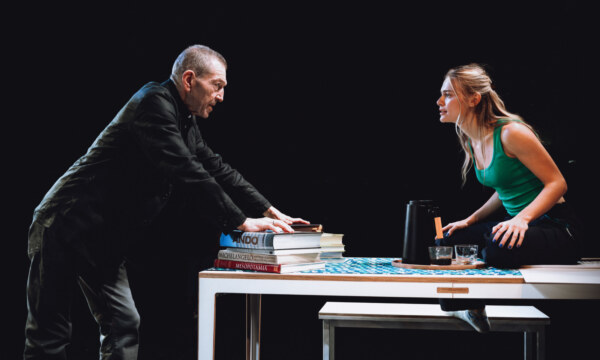
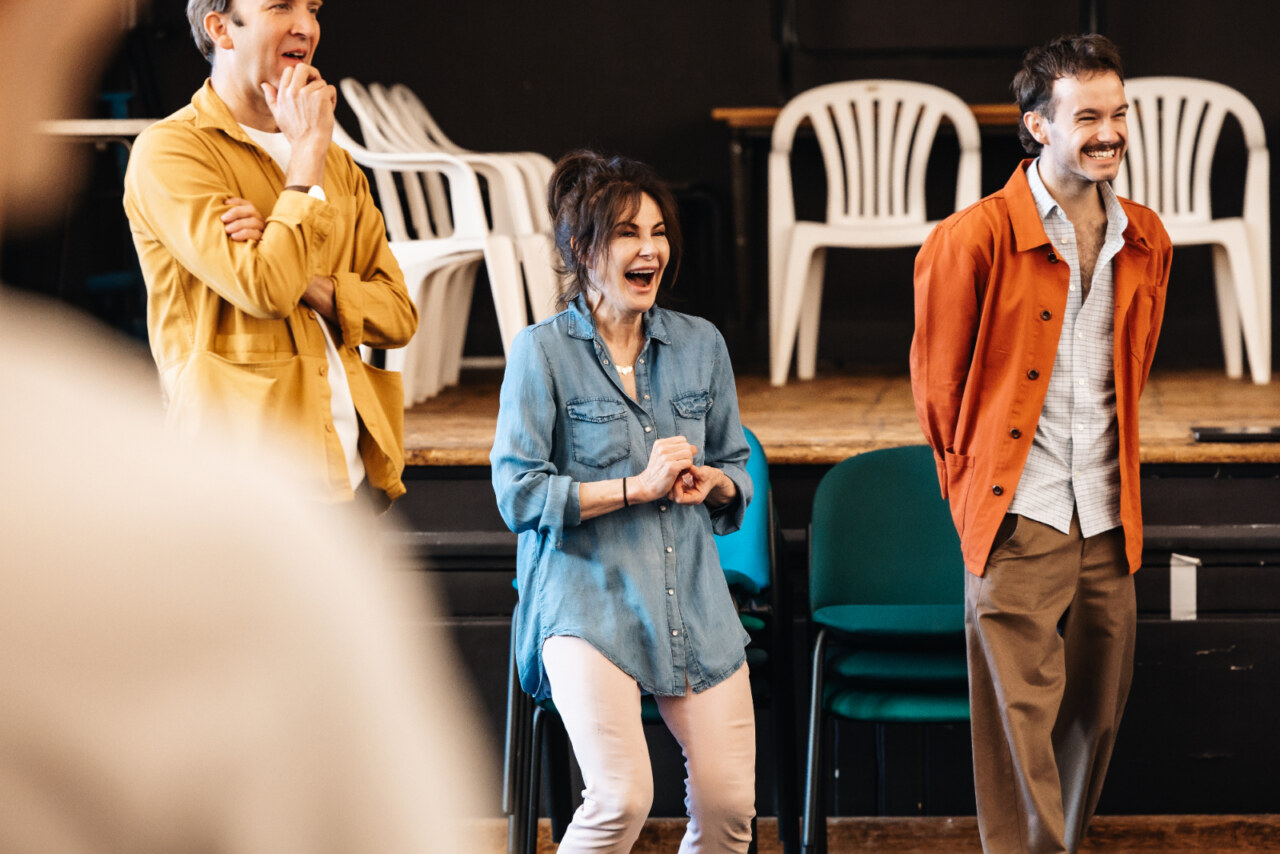
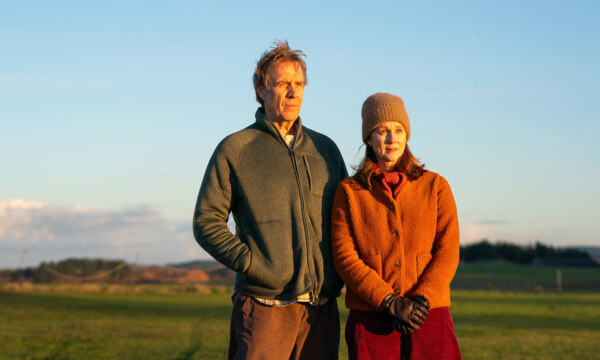
From the Pride Lands to the Yorkshire Dales, Stephen Carlile and Sally Dexter have built careers bringing larger-than-life characters to the stage and screen. Now, the pair are stepping into the turbulent world of ancient Rome for Nero, a new musical from Spring Awakening creators Steven Sater and Duncan Sheikh. Playing at Southwark Playhouse Elephant, the production reimagines one of history’s most notorious emperors, exploring the young artist behind the tyrant as ambition, family loyalty and the pursuit of power collide.
Alongside Andrew Barth Feldman in the titular role, Carlile takes on the philosopher and adviser Seneca, while Dexter portrays Nero’s formidable mother, Agrippina. We spoke to the actors about the experiences that have shaped their careers, finding humanity in morally complex characters and why a story set nearly 2,000 years ago might have more to say about the world today than we realise.
Sally, you won an Olivier Award for Most Promising Newcomer for Dalliance back in 1987, at a relatively early stage in your career. Looking back at that moment now, how did you imagine your career might unfold, and what’s been the biggest surprise along the way?
Sally Dexter: I didn’t really imagine anything. I tend to just bobble along and take things as they come, really. I guess one of the biggest surprises was winning another Most Promising Newcomer Award about 30 years after the first one…
Stephen, your career has taken you from the West End to Broadway, with roles ranging from the romantic Freddy in My Fair Lady to Captain Hook in Peter Pan. Was there a particular production or experience that completely changed your understanding of yourself as a performer?
Stephen Carlile: When I was 17 years old at Bath College, studying performing arts, I was cast as Erpingham in Erpingham Camp. The role had gone to someone else, but he pulled out a week before it opened. I remember vividly standing on that stage speaking the lines, looking out at the audience and thinking, “I feel more relaxed and more at home than I have ever felt in my whole life.” I knew then and there I would spend the rest of my life in the theatre.
Sally, for many television viewers, you’ll always be Faith Dingle from Emmerdale, a character audiences developed a real emotional connection with over the years. What did spending so much time with one character teach you about acting, and is there a particular reaction from a viewer that’s stayed with you?
SD: Playing Faith Dingle was a huge pleasure and privilege. The Emmerdale team are just fantastic and fun and hugely talented. I had and have a real affection and respect for all of them. As for the fans, well – though I can’t pick anyone out, they’ve all got this great Emmerdale sense of humour in common, and it’s always nice to say hello!
Stephen, you’ve brought two of Disney’s most memorable villains to life, playing Scar in The Lion King on Broadway and Hades in Hercules in the West End. What have those characters taught you about the appeal of a good villain, and have audiences ever surprised you with the way they’ve responded to them?
SC: I love playing bad guys. They’re often the cleverest things in the room but, for some reason, have made the wrong choice somewhere along the line. You have to find something you love about them. There’s often a nugget of sympathy for them, and you play through that. I was surprised when I first took a bow on Broadway after playing Scar, how the audience cheered instead of booing. And a few times when there had been British people in the audience who did boo me, I had Americans come up to me in horror asking if I was OK!
Sally, you’ve moved between television, plays and major musicals including Oliver!, Sister Act and Billy Elliot. With such a varied career, which role has pushed you furthest outside your comfort zone, and what did you discover about yourself in the process?
SD: You get pushed in all different directions with every type of job – they all have their challenges. I can’t help going back in time with this question, though, to doing a Cheek by Jowl production – Lady Betty – the true story of an Irish Hangwoman. It was the accent, the language, the story and Declan’s way of working which I loved! But it did challenge me, in a way I also loved, luckily. Paddy Cunneen’s music was also captivating. I have very fond memories of [that show].
Stephen, having performed in enormous Broadway theatres, West End productions and on tour, you’ve experienced very different relationships with audiences. Where have you felt most vulnerable or challenged as a performer, and has that changed what you look for when choosing a new project?
SC: I never “choose” a project. I take whatever comes, and I am grateful. I always feel vulnerable and challenged, but that is the utter pleasure of this life. I love uncertainty and not knowing quite what is going to happen on stage. It keeps you and any part you’re playing alive.
Nero offers a different perspective on one of history’s most infamous emperors, exploring the young artist and reluctant ruler behind his reputation. Before becoming involved in the production, what was your own impression of Nero, and what did you discover in the script that challenged it?
SD: Before being involved in this production, my knowledge didn’t really go much beyond I, Claudius, with Nero being played by the glorious Christopher Biggins. From the play I’d say: a young man trying to survive incredibly strong influences in his life – culture, family – and perhaps lead in the wine, which perhaps were part of what pushed him to extremes.
SC: Do you know what? I didn’t know too much. So everything was a surprise. I had a vague sense he wasn’t a terribly good chap, but when reading the script, I was really quite shocked. And I have to tell you I have had restless nights trying not to think about all the terrible things he did.
Agrippina is a woman whose legacy has largely been defined by her ambition and her relationship with her son. When approaching someone with such a formidable reputation, where did you find her vulnerability, and is there anything about her that you think audiences might unexpectedly relate to?
SD: Agrippina is a woman who has had to fight for her survival, and her desire to thrive is part of that. She has endured a fair bit of abuse in her past, and I imagine her ambition was very much driven by self-protection. Then, as she achieves more power, she decides she likes it. I hope the audience can enjoy this and appreciate her humour, as well as her overwhelming love for her son, which, though initially giving her strength, ends up making her very vulnerable indeed.
Seneca is a philosopher who finds himself deeply entangled in the political world surrounding Nero. Having previously played characters who are far more overtly villainous, what’s been interesting about exploring someone whose moral compromises might be less obvious, and do you think Seneca truly believes he’s doing the right thing?
SC: Being high up in the government in Ancient Rome was a very treacherous place to be. Your life hangs on a knife’s edge. Your need to think fast and calculated is absolute. Unlike the other villains I’ve played who are very much “out there”, he must be subtle and almost invisible, like a good traitor in The Traitors. You mustn’t bring too much attention to yourself; otherwise, people will get weary of you, and you will be fed to the octopus.
Your characters each have a powerful influence over Nero, but their perspectives and motivations are very different. Sally, what do you think Agrippina understands about her son that Seneca doesn’t? And Stephen, what might Seneca recognise about Nero that his mother is unable, or unwilling, to see?
SC: In this production, Agrippina takes a forceful, motherly dominance in Nero’s life, but Seneca understands he has to fly under the radar and almost whisper ideas into Nero’s head to manipulate the Caesar into thinking the idea was his own in the effort to steer all policies to the greater good.
SD: Agrippina, in our production, understands her son’s emotional needs very well – his need to play, to support his vanity and to have fun – and how important it is to engage that part of him when trying to guide him towards doing something she considers necessary!
You’ve performed in some hugely successful musicals, but Nero tells its story through a contemporary score by Duncan Sheikh, the composer behind Spring Awakening. What feels different about expressing Agrippina’s emotions through this music, and is there a particular moment in the score that has helped you understand her more deeply?
SD: Steven’s lyrics and Duncan’s music are spine-tingling: really exciting – and at times unexpectedly moving. Lover from Hell, the duet between mother and son towards the end of the play, is particularly poignant and beautiful.
After performing in large-scale productions such as The Lion King and Hercules, you’re now bringing Nero to the much more intimate Southwark Playhouse Elephant. How does that change the way you approach a performance, and have there been any moments in rehearsals where the closeness or scale of the production has allowed you to discover something unexpected?
SC: I love performing in smaller spaces. It creates such a delicious atmosphere that is palpable. It’s like having ten camera lenses pointing right at you, picking up every tiny nuance. What I’m really enjoying, and what surprised me in rehearsals, is how much the audience is going to feel very much part of the show.
Although Nero is set in ancient Rome, it explores ideas about celebrity, political power, public image, and the desire to be admired, all of which feel remarkably contemporary. Has working on the musical changed the way you view any of those themes in today’s world, and is there a particular aspect of the story that feels especially relevant to you personally?
SD: All the ideas in the play have huge resonance with present-day events and personalities. Though over 2,000 years ago, the old adage still holds true, that looking backwards can help us move forward – especially if we don’t keep making the same mistakes.
SC: Nero and the themes of Ancient Rome are horribly and aggressively relevant to today, but what has consoled me is that even in those extraordinary times humanity still managed to turn it around and change for the better – and that gives me hope for the future.
You’ve both spent years bringing very different characters and stories to audiences. With Nero exploring the gap between who someone really is and how history remembers them, has playing these roles made you reflect on the way we judge people? And if audiences could leave the theatre having reconsidered just one thing about Nero and those around him, what would you hope it would be?
SC: I think audiences might leave thinking putting a child on the throne was a mistake.
SD: Well, I’d firstly want to know they’d been well and truly entertained. Then maybe to consider how important compassion is in the politics of our world and what can happen if it’s ignored.
Finally, Nero is filled with ambition, intrigue and larger-than-life personalities. If you could each swap roles with anyone else in the production for one performance, who would you choose and why?
SC: Agrippina! I want to play Agrippina!
SD: Oooooh, tricky… of course I’d be tempted to say Stephen’s “Seneca” – in which case I’d have to wear stilts. Or Andrew’s “Nero himself”, but they’re both too perfect as they’re cast to swap with me!! (And neither costume would fit…)
Thank you for your time.
Natallia Pearmain
Photo: Rebecca Pitt Creative
Nero is at Southwark Playhouse from 2nd November until 5th December 2026. For further information or to book, visit the theatre’s website here.
Watch the trailer for Nero at Southwark Playhouse here: