
How restaurant music shapes the dining experience
Sponsored content
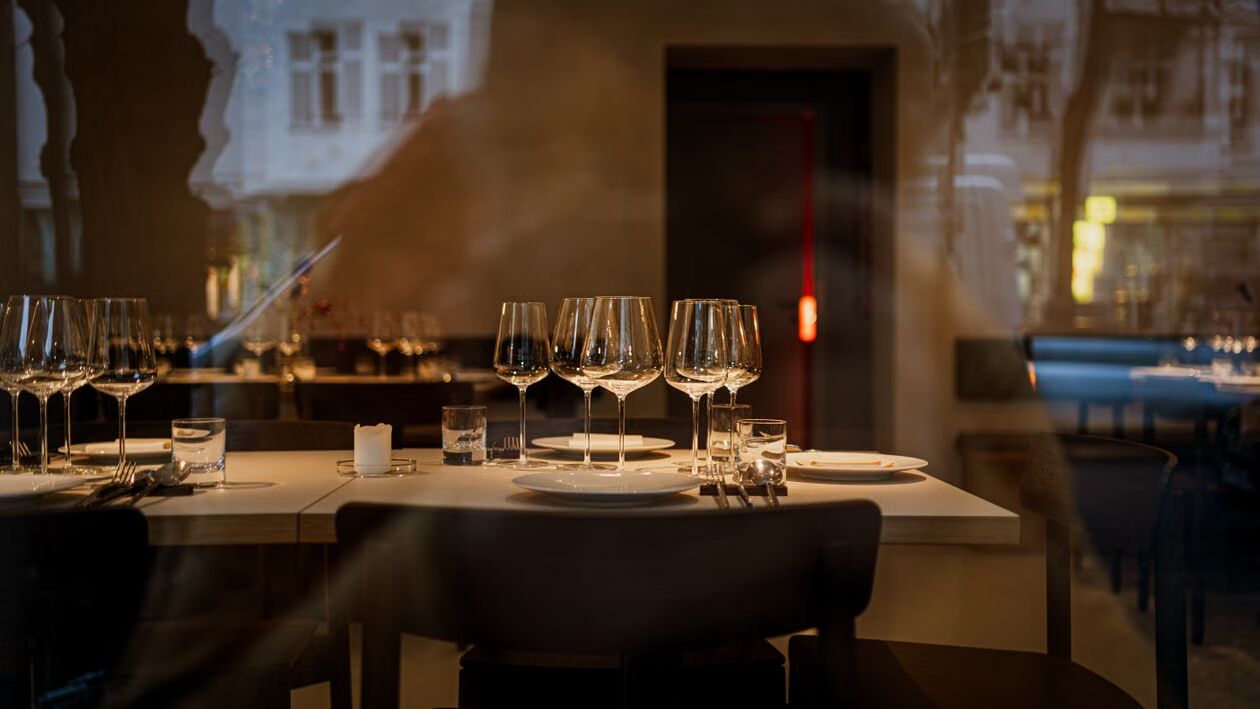
Step into two different restaurants on the same street and the contrast can be felt almost at once.
One might be bright, energetic and full of movement, with an upbeat soundtrack carrying through the room. Another may feel softer and more intimate, the kind of place where conversation stretches over another glass of wine and nobody seems in much of a hurry to leave.
Most diners notice the difference instinctively. Long before dessert arrives, an impression has already formed of whether a restaurant feels lively, relaxed, polished or romantic.
Food and service naturally play the starring roles, but atmosphere is built from many smaller details. Lighting, interiors, acoustics and music all contribute to the experience, often without guests consciously separating one from another.
Why some restaurants just feel right
The first few minutes inside a restaurant can reveal surprisingly much.
There is the lighting, the layout of the tables, the sound of glasses and conversation and, somewhere underneath it all, the music. Together, these cues help diners understand what sort of evening lies ahead.
A relaxed neighbourhood restaurant might suit something warm and understated. A busy city dining room can carry considerably more energy. Somewhere built around long dinners and intimate conversation may call for a soundtrack that slips almost unnoticed into the background.
Some of the details shaping that first impression include:
- The energy of the room: A busy social restaurant can carry a livelier soundtrack than somewhere designed around intimate dining.
- The surrounding design: Lighting, furniture and layout all influence whether the music feels as though it belongs.
- The type of occasion: A relaxed lunch, date-night dinner and late-evening gathering naturally create very different expectations.
Problems become more obvious when those elements clash. High-energy music can feel distracting in a room designed for slow, elegant dining, just as an overly subdued soundtrack can drain some of the buzz from a busy Friday night.
There is research behind that instinctive response too. Research into ethnic restaurant settings has explored how background music can shape diners’ perceptions, including how authentic a restaurant feels.
The interesting point is that the playlist is not necessarily experienced as a separate feature. It becomes part of the impression of the place as a whole.
The soundtrack noticed without noticing
Most diners are unlikely to remember every song they heard over dinner. That does not mean the soundtrack went unnoticed.
Music can reinforce the personality a restaurant is already creating through its food, interiors and service. A modern Japanese restaurant, a traditional Italian neighbourhood favourite and a late-night small-plates bar may all need very different musical identities.
That is what makes relying entirely on someone’s personal playlist slightly risky. A collection of perfectly good songs can still feel wrong for the room.
Behind what appears to be an effortless atmosphere, restaurants can use dedicated restaurant music solutions to build soundtracks around the character of the venue, its audience and different moments during the day.
When it works, the effect should not necessarily draw attention to itself. The music simply feels as though it belongs there.
Can music make diners linger over dinner?
A restaurant does not necessarily need to sound the same at midday as it does at 9pm.
Consider the difference between a quiet weekday lunch and a packed evening service. The number of people in the room changes, conversation grows louder, lighting becomes softer and the pace of the restaurant naturally shifts.
Music can move with it.
Research into background music and its effects found that diners hearing slower-tempo music spent longer in the restaurant than those exposed to faster music.
Interestingly, the findings do not support the simplistic idea that changing the music automatically translates into greater revenue. Time at the table and spending are not the same thing.
What the research does suggest is that tempo can interact with the natural rhythm of a meal.
Slower music might feel at home during an unhurried lunch or intimate dinner, while something with a little more energy can complement a restaurant as the evening becomes busier.
It is less about manipulating the pace of diners than ensuring the soundtrack does not feel completely disconnected from what is happening around them.
When restaurant music gets too loud
Of course, there is a point at which atmosphere becomes noise.
Few things disrupt an otherwise enjoyable dinner quite like having to lean across the table and repeat every sentence. A lively restaurant can feel exciting, but volume needs to work with the room rather than fight against it.
The soundtrack is only one part of that equation.
Several factors can change how loud a restaurant actually feels:
- Hard surfaces: Bare walls, tiled floors and large windows can reflect sound around the room.
- High ceilings and open spaces: A dramatic interior may also create a more challenging acoustic environment.
- Busy tables: Conversation naturally becomes louder as more guests arrive.
- Music volume: A level that works when the restaurant is half-empty may feel very different once every table is occupied.
At the opposite extreme, barely audible music can leave a large dining room feeling strangely flat.
The ideal level therefore varies enormously. An intimate restaurant built around conversation needs something different from a busy bar and dining space on a Saturday evening.
The best rooms retain their energy without making guests feel as though they are competing with it.
Why restaurants change after dark
One of the pleasures of a good restaurant is the way it can change character as the day moves on.
A room flooded with daylight at lunch can feel completely different once the lights are lowered and the evening crowd arrives. Cocktails replace coffees, tables fill and the room takes on a livelier rhythm.
The soundtrack can help make that transition feel seamless.
For restaurant groups, there is an additional challenge: creating a recognisable identity across several locations without making every room feel identical. A commercial music platform can help establish consistency while still allowing the soundtrack to reflect the character of individual venues and different times of day.
The same principle applies to a single restaurant. Music, lighting and service all work best when they evolve together.
If the dining room has become softer and more intimate after dark, music still carrying the energy of lunchtime is likely to feel slightly out of place.
Why the best restaurant atmospheres feel effortless
Diners rarely leave discussing the playlist in isolation.
What stays with them is the food, the conversation, how welcoming the room felt and whether the restaurant had that difficult-to-define quality that made them want to stay a little longer.
Music contributes to that feeling precisely because it sits among so many other details.
Used well, it can complement the food, reinforce the personality of the restaurant and move naturally with the changing pace of the room.
Perhaps the most successful restaurant soundtracks are therefore the ones guests barely remember hearing.
What they remember is that the atmosphere felt right.
The editorial unit
- 1
- 2
- 3
George Michael: The Faith Tour
Antonia Georgiou
- 4
La Roux – Old Flames
Mark Worgan
- 5


Andrew Lloyd Webber’s Starlight Express: Live on Stage
Jennifer Hensey
How to Rob a Bank
Antonia Georgiou




Cloud 9 at the National Theatre
Dionysia Afolabi
Fjord
Selina Sondermann
Nick Ward – Year of the Snake
Dionysia Afolabi