Folk Art at Tate Britain


- 1
- 2
- 3
Duran Duran at the O2 Arena
Selina Begum
- 4
George Michael: The Faith Tour
Antonia Georgiou
- 5

Meet Jessica Rosval, the world’s best female chef
Food & Travel Desk
Godzilla Minus Zero
Christopher Connor
Players Social launches free challenge zone The Box in Spitalfields
Food & Travel Desk



I Play Rocky
Umar Ali
Think of England
Antonia Georgiou
Stereophonics celebrate 30 years with new greatest hits album Tune!
The editorial unit


It’s a little hard to define exactly what folk art is, but we know it when we see it. Self-taught painters and artisan crafts workers have for centuries made functional and decorative objects to various levels of skills and expertise.
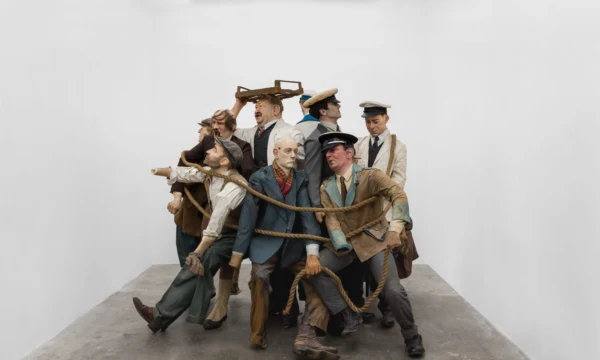
Tate Britain has pulled together what they say is the first major historical exhibition of such work which is more usually found in local museums. Most of the artists are anonymous, and many pieces have the sort of startling eccentricity and originality which would make them credible art in contemporary galleries. Current artists often look back to these naive styles in an ironic way – look at Grayson Perry or the Chapman brothers – and so it is timely to look at this strange and charming folk art.
Trade signs hung outside shops in the 17th to 19th centuries and are represented by out-sized boots, keys, tools and other objects now hanging bizarrely out of context. Beautifully restored and painted ship figureheads are imposing and impressive, and again, wonderfully bizarre mounted in a gallery very far from their original function.
Representations of sailing ships feature highly in embroideries and paintings, including the distinctive style of Alfred Wallas, a rare example of a self-taught painter who is well known in the art world. His slightly skewed sense of perspective is a trait in most of the paintings, scenes which show country life as it was. Tate champions other obscure artists which were once famed, such as Mary Linwood and her unfathomably intricate embroideries.
This is a marvellously evocative exhibition showing some truly peculiar artefacts: on display are trays made from broken pottery including bits of doll, a bone violin and a straw man. This exhibition offers a series of connections between items which were made for practical purposes, and those created by odd and inspired hobbyists.
Eleanor MacFarlane
Folk Art is at Tate Britain from 10th June until 31st August 2014. For further information visit the gallery’s website here.