
How to find a last-minute holiday for this summer
 19 July 2026
High summer temperatures often bring thoughts of sandy beaches, clear seas and cooler mountain landscapes. Although peak-season travel can appear expensive, a late summer escape does not always require an excessive budget. Last-minute availability, cancellations and flexible dates can still produce appealing options in popular destinations.
Choosing where to travel can sometimes feel more difficult than arranging the journey itself. Familiar places offer reassurance, particularly when a destination has already delivered an enjoyable experience. At other times, the appeal lies in discovering somewhere unexpected. Whether the preference is for a favourite coastal retreat, a quiet Alpine village or a lively European capital, the right planning tools can turn a broad idea into a realistic summer break.
Where to pick a holiday
A wide range of websites now supports holiday planning and accommodation searches. Major platforms such as Booking.com and Hotels.com provide thousands of listings across numerous destinations. Their scale can be useful, but large volumes of promotional content, sponsored placements and marketing-led visuals can also make the selection process feel overwhelming.
Effective holiday planning requires more than an extensive list of available rooms. Clear destination descriptions, useful maps, nearby alternatives and carefully selected accommodation can make it easier to understand what each location offers. A curated platform can therefore provide a more focused starting point than a conventional search engine.
Services such as Where’s My Holiday place destination inspiration at the centre of the experience. Rather than beginning with an endless collection of properties, the platform presents ideas for places to visit and supports them with location information and selected accommodation options. This approach helps turn uncertainty into a manageable choice, while still leaving room for an unexpected discovery.
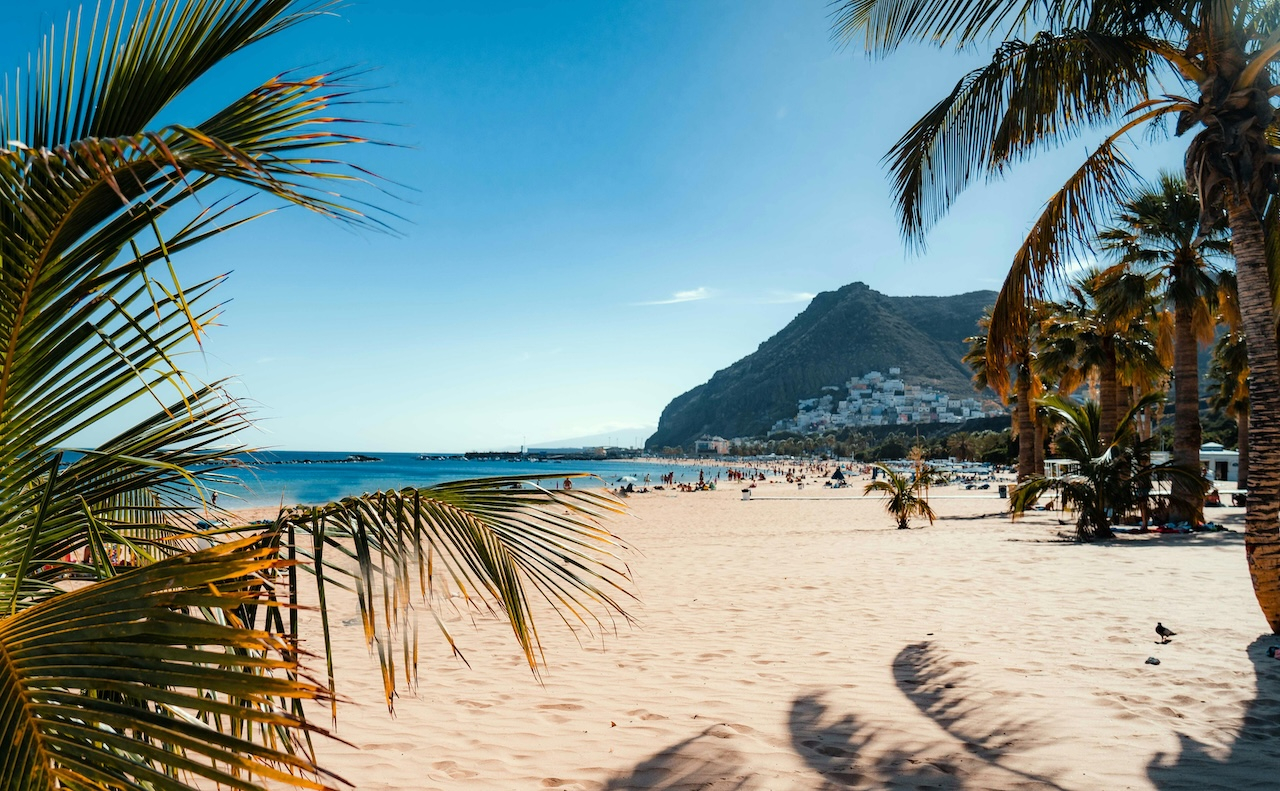
Why choose sandy beaches?
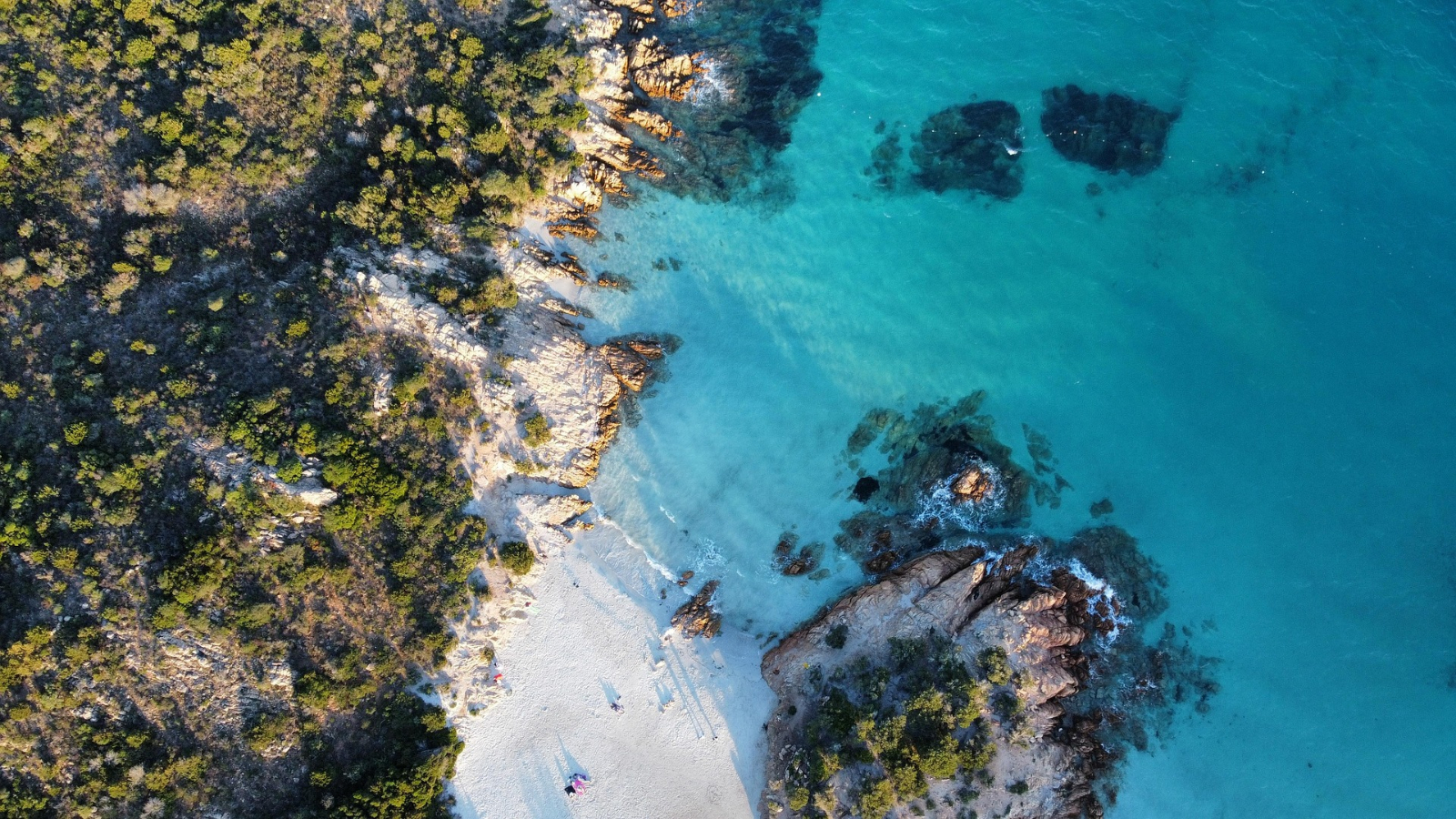
Sardinia does not have one defining coastline; the character of the island changes almost every time the road returns to the sea. On the Costa Smeralda in the north-east, small coves lie between juniper, Mediterranean scrub and granite polished smooth by wind and salt. Capriccioli divides into a series of sheltered beaches surrounded by pink and golden rock, while Spiaggia del Principe feels almost hidden within the landscape. Liscia Ruja opens into a broader sweep of pale sand facing the islands offshore. The area may be associated with yachts and elegant resorts, but its real appeal is elemental: translucent water, warm stone, fragrant vegetation and bays that appear to have been carved directly into the coast.
On Sardinia’s north-western shore, Alghero provides a different atmosphere. The honey-coloured walls and old bastions of the city overlook the Coral Riviera, where the beaches feel closer to pine forests, rocky headlands and the island’s wilder interior. Le Bombarde combines clear water with a lively summer atmosphere, while neighbouring Lazzaretto is broken into a succession of smaller coves. Farther around the Bay of Porto Conte, Mugoni offers a longer and calmer stretch of sand, protected by the shape of the bay and backed by greenery.
South-west of Cagliari, the coast becomes quieter and more dramatic. The panoramic road towards Teulada passes empty hillsides, watchtowers and sudden glimpses of intensely blue water before reaching Tuerredda. Set within a sheltered inlet between Capo Malfatano and Capo Spartivento, the beach curves around fine, pale sand and shallow water that shifts from transparent turquoise to deep blue. Mediterranean scrub grows close to the shore, while a small island sits just offshore, close enough to tempt confident swimmers across the bay. It is one of those rare beaches that remains striking even after the photographs have created impossibly high expectations.
Cross the western Mediterranean to Mallorca and the landscape becomes a more intimate sequence of coves, headlands, pine woods and mountain roads. In the south, Es Trenc stretches beside protected dunes and salt lagoons, with shallow turquoise water and little development directly behind the sand. On the south-east coast, S’Amarador and Sa Font de n’Alis form the heart of Mondragó, where footpaths pass through pine and Mediterranean scrub between two sheltered bays. Farther north, Formentor lies beneath its long mountainous peninsula, with trees reaching almost to the water. On the Tramuntana coast, Sa Calobra presents a more dramatic version of Mallorca, enclosed by steep rock walls at the mouth of the Torrent de Pareis. The island’s resort beaches are only one part of the story; some of its finest days begin on a winding road followed by a final walk towards a strip of blue glimpsed through the pines.
The Greek islands broaden the choice again, from the sun-bleached landscapes and rocky coves of the Cyclades to the greener shores and protected bays of the Ionian Sea. Portugal changes the rhythm completely. The Algarve combines golden limestone cliffs with small beaches hidden between the rocks, while the Costa Vicentina opens onto a wilder Atlantic coast of long sands, surf and exposed headlands. Travellers comparing these different coastal landscapes can use this guide to European beaches for a summer escape as a starting point. Looking one bay or town beyond the most famous resort can also reveal better late availability and a quieter place to stay.
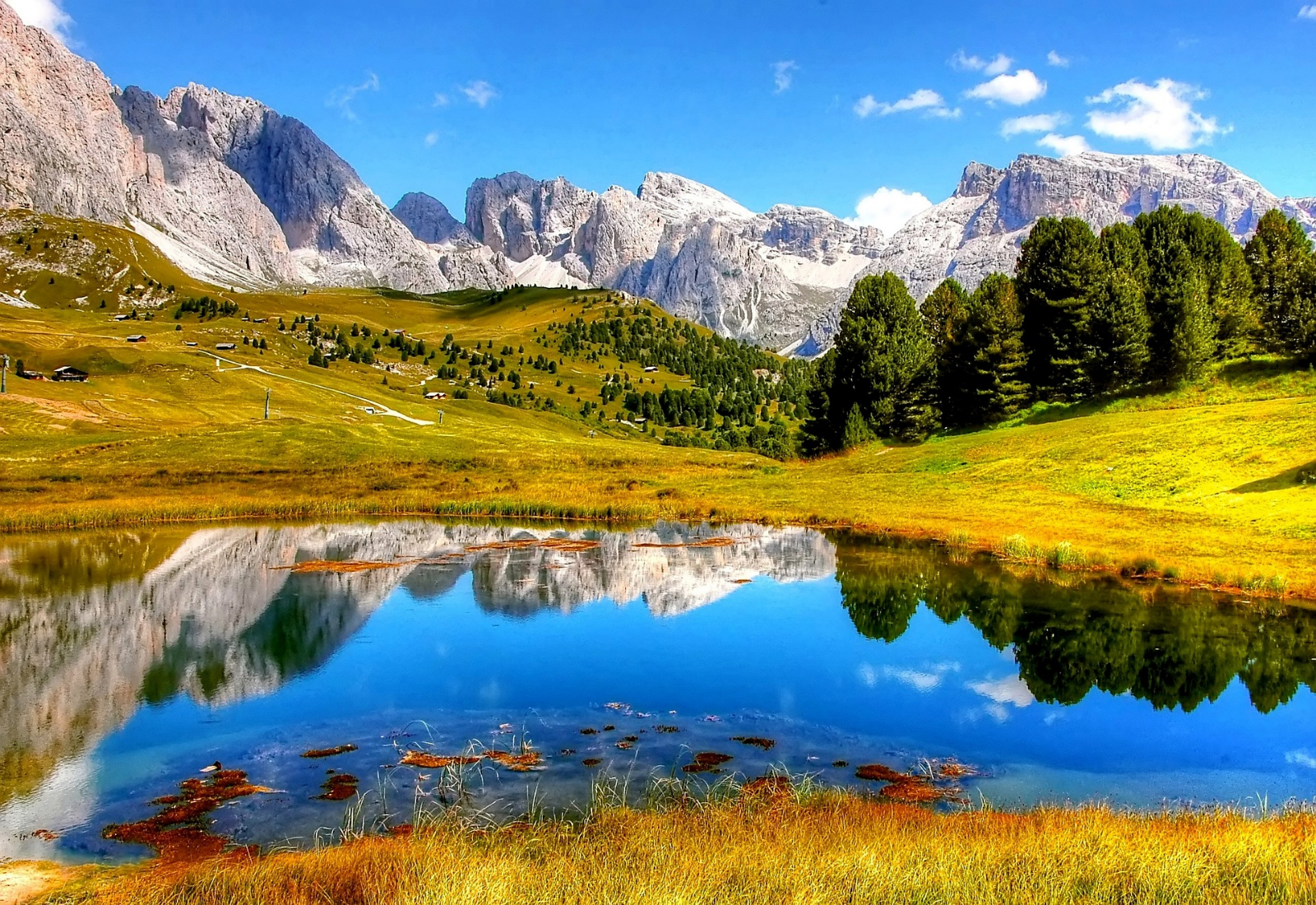
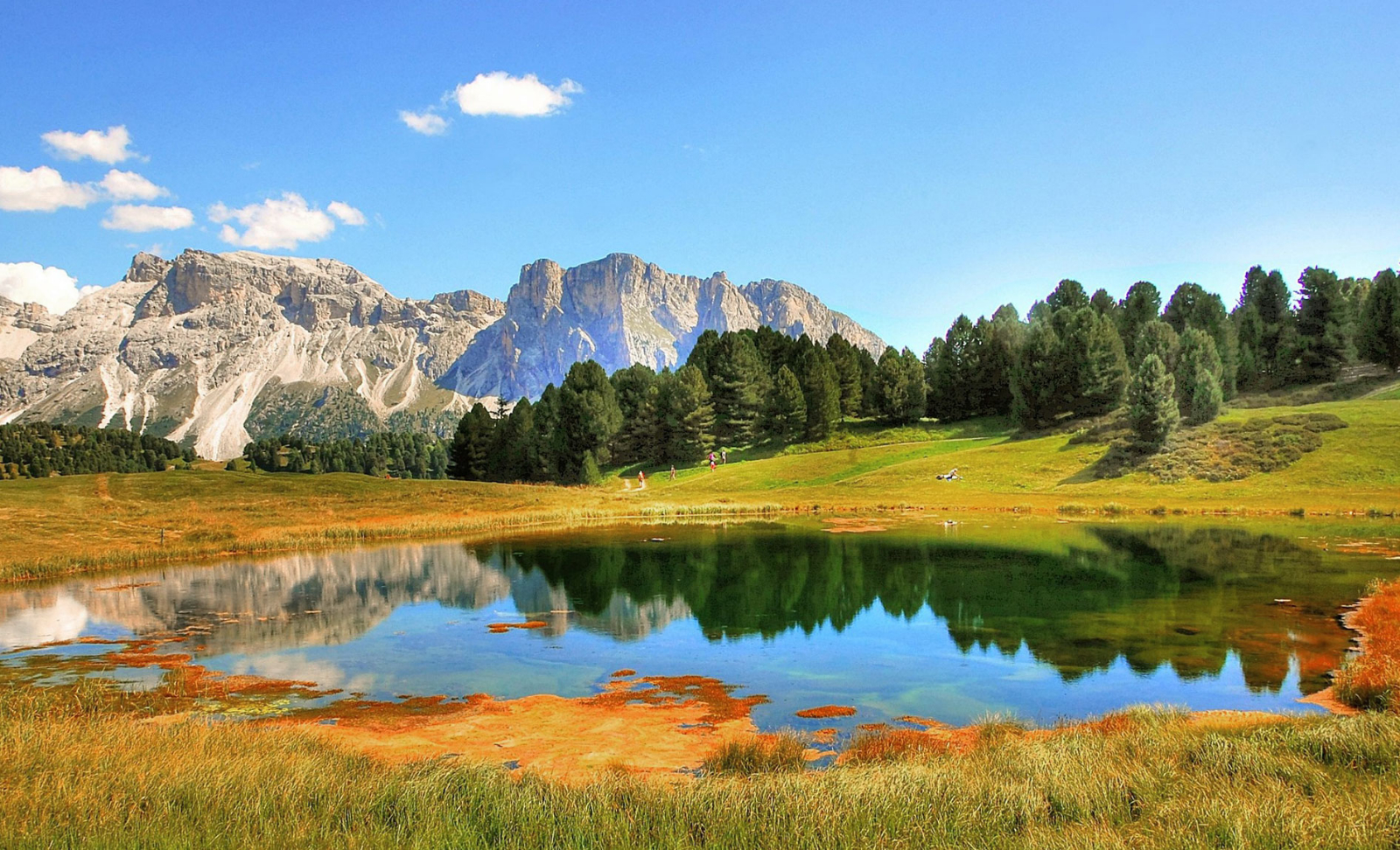
When the Mediterranean coast shimmers beneath the high-summer heat, the Alps offer a different rhythm: cool mornings, green valleys threaded with streams, flower-filled meadows and evenings that still invite a light jacket. South Tyrol is especially captivating. The Dolomites rise from the landscape like immense stone cathedrals, their towers, pinnacles and sheer walls formed from rock that once lay beneath an ancient sea. Now protected as a UNESCO World Heritage landscape, these pale formations can glow rose, copper and violet as the sun begins to fall. In Val di Funes, farmhouses and slender church spires sit beneath the jagged Odle peaks; elsewhere, walking paths cross larch forests and high pastures before arriving at a welcoming mountain rifugio. Food is part of the experience: speck, canederli, mountain cheeses and apple strudel sit comfortably beside handmade pasta, refined Italian cooking and crisp Alto Adige wines.
Switzerland offers a grander, more crystalline kind of beauty. Mountain railways climb above deep valleys, clear lakes reflect forests and snow-covered summits, and villages gather beneath glaciers that remain dazzling even in midsummer. Zermatt provides the most dramatic example, with the Matterhorn commanding the skyline and the cableway to Matterhorn Glacier Paradise carrying visitors to 3,883 metres, into a vast world of ice and high-altitude panoramas. At Zermatt and Saas-Fee, glacier skiing can continue during summer when conditions allow. For non-skiers, Switzerland offers high-level walking trails, panoramic train journeys, lakeside afternoons and cable-car rides that rise from green valleys towards the snowline.
Austria and the French Alps bring their own appeal, from quiet lake districts and family-run inns to secluded valleys beneath imposing massifs. For travellers drawn to places with character rather than sprawling resorts, this selection of Alpine villages for a summer break offers a natural starting point, highlighting destinations where landscape, local food and village life matter as much as the mountains themselves.
Why plan a city break?
A city break should offer more than a hurried circuit of landmarks. In Rome, the best hours often come early in the morning and after sunset, when the heat softens and the piazzas fill again. Ancient ruins, ochre façades and church domes provide the backdrop, but much of the city’s character is found in neighbourhoods such as Trastevere and Testaccio, where market stalls, traditional trattorias and plates of supplì or cacio e pepe reveal a more lived-in side of the capital.
Paris rewards a slower pace. A morning in the Louvre or Musée d’Orsay can be followed by an hour beneath the trees of the Luxembourg Gardens, a walk along the Seine or an unplanned stop at a café terrace. Beyond the grand avenues, districts such as the Marais and Saint-Germain are best explored without a strict route, moving between courtyards, bookshops, gardens and streets that become particularly atmospheric in the long evening light.
Berlin feels more open and unpredictable. Museum Island and the Brandenburg Gate represent the monumental city, while Kreuzberg and Neukölln offer canals, international food, independent cultural spaces and a nightlife that rarely follows conventional hours. Tempelhofer Feld, the former airport transformed into an enormous public park, captures Berlin’s sense of freedom, with cyclists and skaters crossing old runways as families and friends gather in the grass.
Madrid has a warmer, more sociable rhythm. The Prado, Reina Sofía and Thyssen-Bornemisza contain some of Europe’s greatest art, yet the city is just as memorable outdoors. El Retiro provides shade during the afternoon, while the streets around Barrio de las Letras and Plaza de Santa Ana come alive later in the day. Dinner often unfolds gradually, through several tapas bars and crowded squares rather than a single reserved table.
For a stay of only two or three nights, choosing one neighbourhood carefully is often more rewarding than attempting to cross the entire city. Good public transport makes it possible to stay beyond the busiest tourist streets, where accommodation may be better value and the atmosphere more local.
A late escape can still feel carefully planned
Last-minute travel does not need to feel rushed or compromised. A clear idea of the preferred holiday style, combined with curated destination guidance and flexible dates, can make the search considerably simpler. Whether the final choice involves a Mediterranean beach, an Alpine retreat or a European city, summer can still offer rewarding opportunities for a memorable break.
Alex White























Facebook
Twitter
Instagram
YouTube
RSS