
Marylebone’s Roketsu unveils autumn tasting menus inspired by Japanese Momijigari leaf-viewing tradition

 15 September 2026
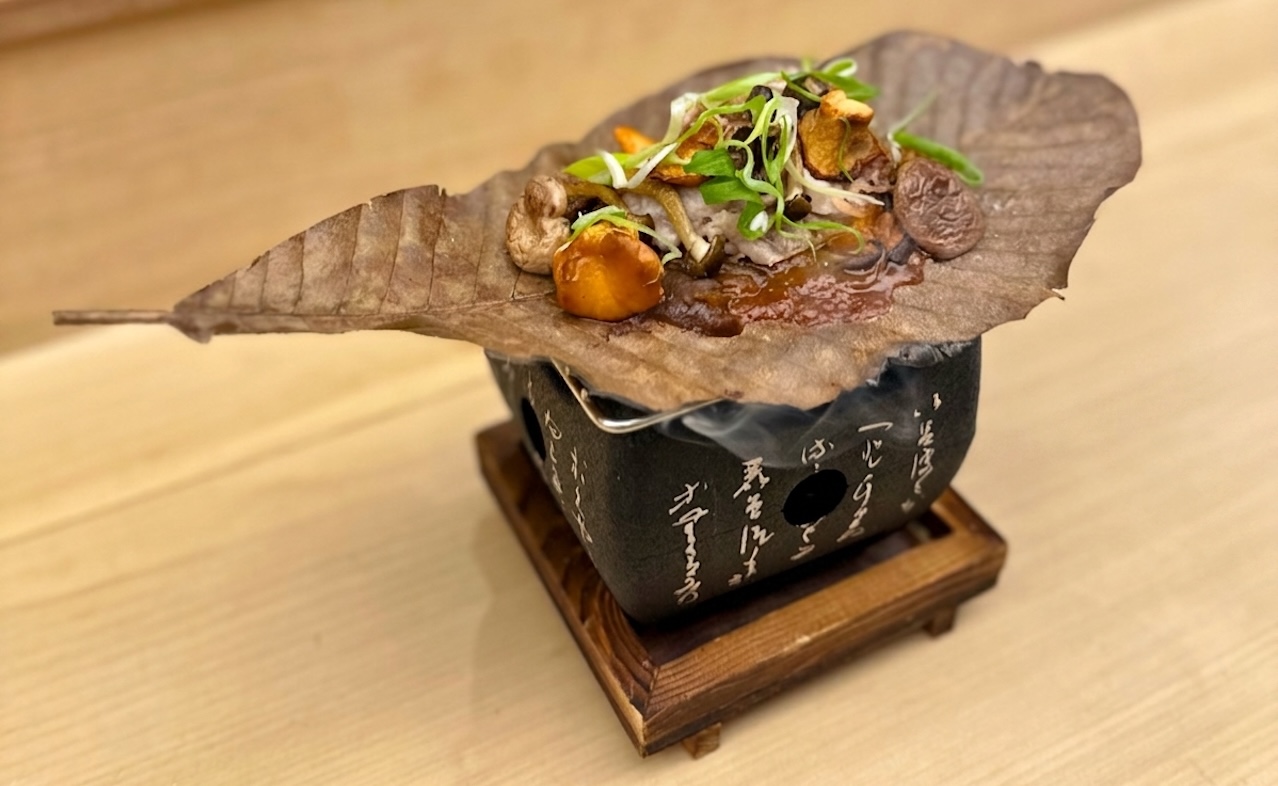
Roketsu, a kappo-style Japanese restaurant in Marylebone, has introduced two autumn tasting menus this season, marking Momijigari, the Japanese tradition of visiting scenic areas to view the changing colours of autumn leaves.
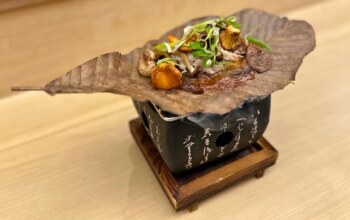
The practice, often described as the autumnal counterpart to spring’s cherry blossom viewing, sees people travel to parks, temples and mountainsides to observe foliage shifting from green through to deep oranges and reds. Roketsu has drawn on the custom for the design and colour palette of its two new seasonal menus, which incorporate autumn produce and leaf motifs.
Seasonality is generally central to Japanese culinary practice, and autumn is associated with ingredients including mushrooms, chestnuts, pumpkin and root vegetables, as well as fish that are considered to be at their best during the cooler months. The use of colour and plating to reflect the time of year is a longstanding convention in kaiseki and kappo cooking, with dishes frequently garnished or arranged to evoke the surrounding landscape.
The Autumn Classic Kappo Tasting Menu is priced at £150 per person and comprises five courses. The Autumn Prime Kappo Tasting Menu, served at dinner only, costs £200 per person and adds Wagyu beef and a premium sushi selection. Both open with a Wild Mushroom Fine Clear Soup, topped with tofu mousse and truffle. This is followed by a selection of appetisers that includes Japanese Red Sea Bream, Foie Gras Miso Monaka, Cornish Crab Chawanmushi and King Prawn and Mushroom Tempura. Main courses feature meats such as lamb chop and Iberian pork, with the Prime menu also offering a Wagyu selection. Nigiri, maki and a soup course follow, before a pumpkin pudding concludes the meal.
Kappo dining is a Japanese style of counter-based cooking in which chefs prepare and serve dishes directly in front of guests, occupying a middle ground between the formality of kaiseki and the informality of an izakaya. There’s often some interaction between chef and diners, with menus changing according to what is in season.
Momijigari itself dates back centuries in Japan and remains a significant seasonal event, with regional forecasts published each year to track the progress of the changing leaves from north to south. In recent years, restaurants outside Japan have increasingly adopted the theme as a framing device for autumn menus, alongside the more widely recognised hanami, or cherry blossom viewing, in spring.
Food Desk
For further information or to book a table at Roketsu, visit the restaurant’s website here.















Facebook
Twitter
Instagram
YouTube
RSS