
Sense and Sensibility



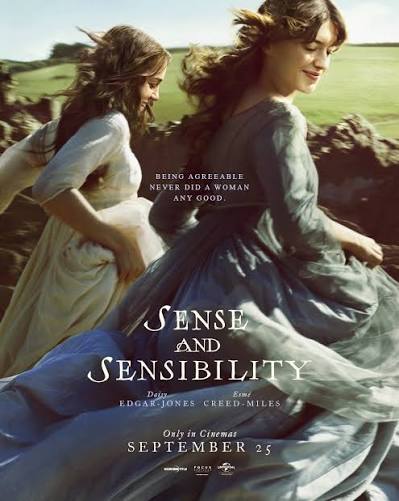
Following an impressive directorial debut with the low-budget production Blue Jean, filmmaker Georgia Oakley raised the creative stakes for her second feature by taking on a beloved classroom staple. 30 years after Emma Thompson won the Academy Award for Best Adapted Screenplay for her adaptation of Sense and Sensibility, filmgoers are treated to Oakley’s new spin on the Jane Austen classic, penned by Diana Reid.
After the death of their patriarch leaves them disinherited by law, the Dashwood women are forced to leave their estate to a male relative and find a new place to stay. Their search is aided by the courteous Edward Ferrars (George MacKay) – the brother of Norland’s new mistress – who sparks an instant connection with the eldest daughter Elinor (Daisy Edgar-Jones). After the family’s move to Devonshire, locals try setting Marianne (Esmé Creed-Miles) up with a distinguished gentleman, Colonel Brandon (Herbert Nordrum), but she only has eyes for the dashing John Willoughby (Urchin’s Frank Dillane).
Oakley strikes a rare balance, delivering a fresh, contemporary energy to her iteration while honouring the period setting far more than the average costume drama, which routinely favours glamour over authenticity. In this version of Sense and Sensibility, hair remains windswept after being out in the elements, and Regency updos are reserved for formal occasions rather than everyday life. None of the actresses appears to be wearing makeup, and wardrobe pieces aren’t treated as single-use, even repurposed between characters. In a cultural moment dominated by digital filters and engineered perfection, the simple sight of reddened cheeks feels incredibly intimate.
The trees and bushes, too, bear proof of life, with tufts of sheep’s wool snagged on their branches, and the camera treats these images as worthy of contemplation. It is these subtle, granular details that not only flesh out a remarkably real setting, but provide a sensory anchoring amid its romantic fantasy.
With a script so attentive to Austen’s wit and observations on social etiquette, the performances are remarkably nuanced. Instances of silence and quiet discomfort carry equal weight as the guarded equivocation that shields its speakers from baring their souls. Herbert Nordrum’s character minces his words so carefully that louder voices swallow him whole. Meanwhile, a compliment gives Dillane such a boost, he quite literally stands a little taller after receiving it. While the famous quote about the sisters’ differences in communication – beautifully tweaked to “you reveal nothing and I conceal nothing” – informs much of Edgar-Jones and Creed-Miles’s respective approaches to their characters, they both refuse to be bound by its perimeter. In a magnificent navigation of the corset of decorum, they each internalise restraint rather than give in to overt emotional outbursts.
Sense and Sensibility is living proof of why certain works endure across generations; that these stories are not museum pieces but active reflections on human emotions. Though essential viewing for Austen enthusiasts, the film’s tender portrayal of love and all its complications renders it equally unmissable to the uninitiated.
Selina Sondermann
Sense and Sensibility is released nationwide on 25th September 2026.
Watch the trailer for Sense and Sensibility here:























Facebook
Twitter
Instagram
YouTube
RSS