Mantegna and Bellini at the National Gallery
Much to enjoy and certainly much to learn, just bring your sense of wonder with you

- 1
- 2
- 3
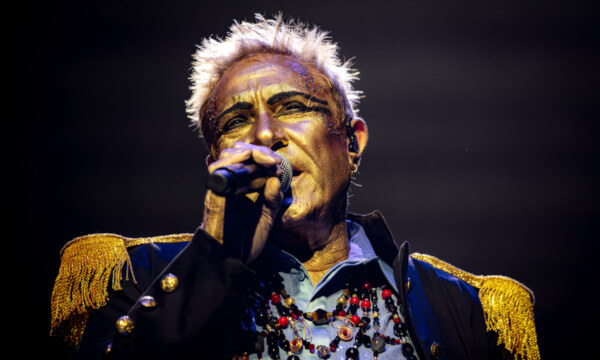
Duran Duran at the O2 Arena
Selina Begum
- 4
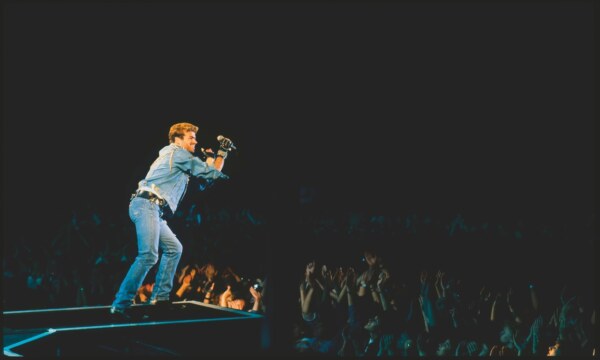
George Michael: The Faith Tour
Antonia Georgiou
- 5
Meet Jessica Rosval, the world’s best female chef
Food & Travel Desk
Godzilla Minus Zero
Christopher Connor
Players Social launches free challenge zone The Box in Spitalfields
Food & Travel Desk





I Play Rocky
Umar Ali
Think of England
Antonia Georgiou
Stereophonics celebrate 30 years with new greatest hits album Tune!
The editorial unit


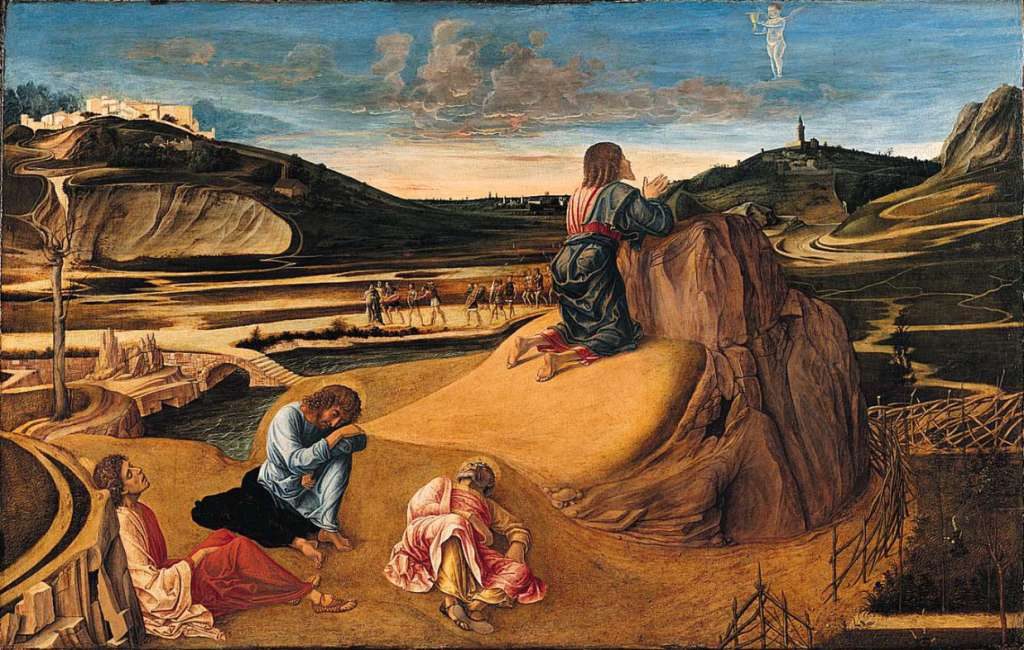
Andrea Mantegna and Giovanni Bellini are some of the best-known names from art history. But most museum-goers probably couldn’t identify their works at a glance. They might not be iconic in the way of their near-contemporaries Leonardo or Michelangelo, but both artists were innovative masters of their craft, as the exhibition dedicated to them at the National Gallery demonstrates.
With Bellini, it is his pastel-hued morning skies that stand out; indeed, their much-admired separation of colours inspired the naming of the Bellini cocktail in later years. When it comes to Mantegna, it is his forceful modelling of figures and dramatically composed spaces that impress.
Unexpectedly, these two artists were brothers-in-law, as Mantegna married Bellini’s sister in 1453. The exhibition explains how they subsequently learned from each other, often emulating each other’s compositions and even sometimes approaching the same biblical scenes in almost exactly the same way.
The curators of the show have taken pains to draw out the many points of comparison and difference between the two artists’ work. The effect is scholarly, even essayistic, occasionally to the point of pedantry. There are some striking pieces exhibited – particularly some rare and very powerful drawings by both artists – but the accompanying notes seem designed to stifle the viewer’s sense of wonder.
Also, relatively little is made of the artistic innovations of these two figures, especially of Mantegna’s early work from the 1450s. Few artists in Europe were working with such effective use of perspective, foreshortening and colouration at this point, even in the artistic capital of Florence (Mantegna lived in Venice and Mantua). However, the exhibition doesn’t manage to instil the viewer with a sense of Mantegna’s greatness, perhaps from assuming too much knowledge of the bigger picture.
There is much to enjoy in this exhibition, and certainly much to learn. Just bring your sense of wonder with you, as you might find it a bit lacking inside.
verdict]
Anna Souter
Featured image: Giovanni Bellini, The Agony in the Garden, 1458-60
Mantegna and Bellini is at the National Gallery from 1st October 2018 until 27th January 2019. For further information visit the exhibition’s website here.