
The Black Ball
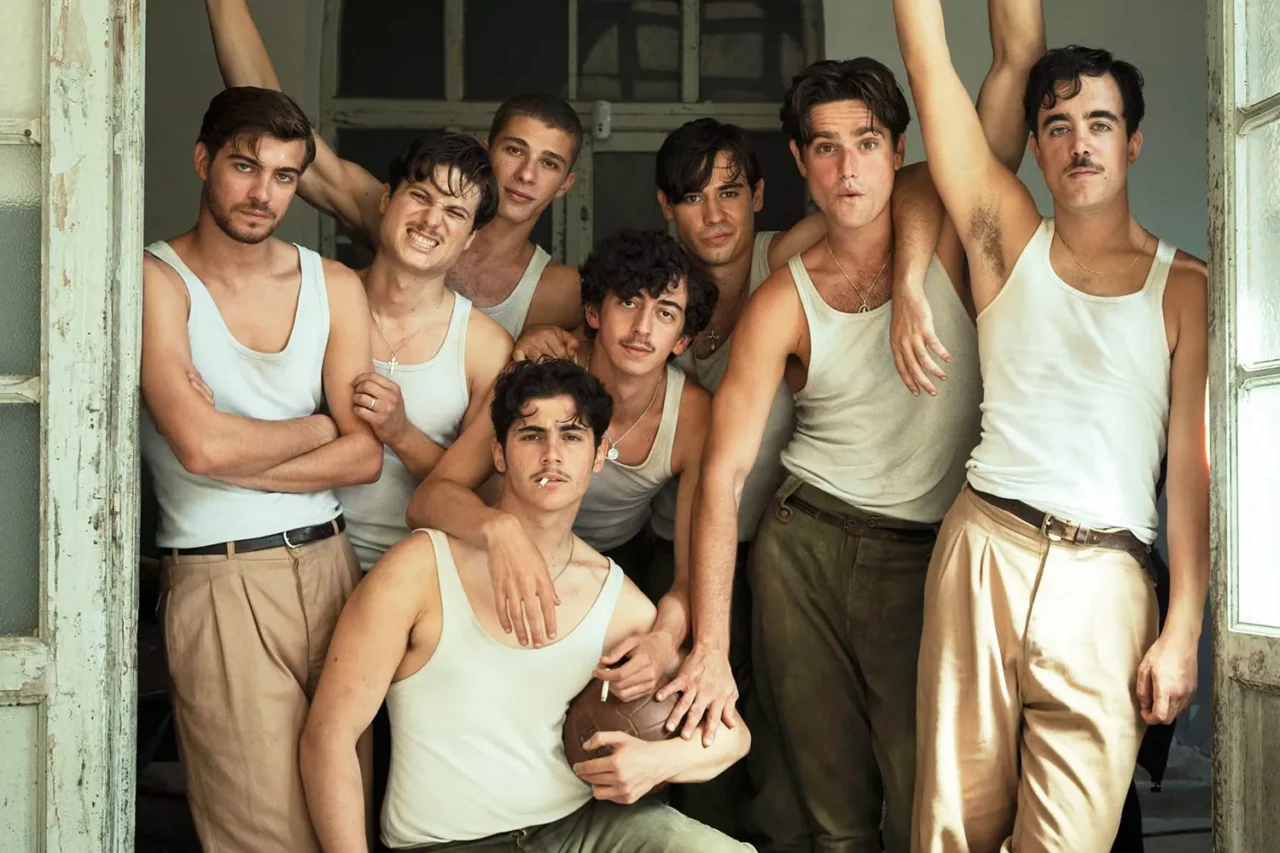



Like its fellow Spanish competition entries Bitter Christmas and The Beloved – as well as Asghar Farhadi’s less favourably received Parallel Lives – The Black Ball concerns itself with the reciprocal relationship between reality and its depiction thereof in art.
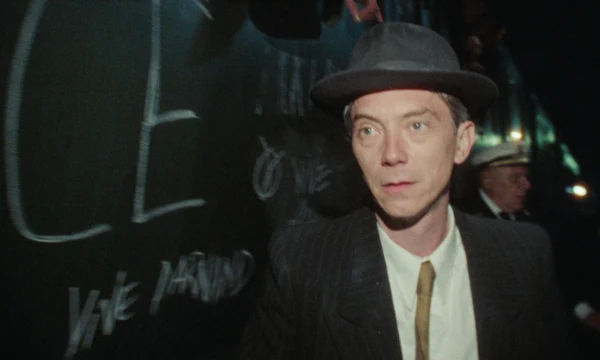
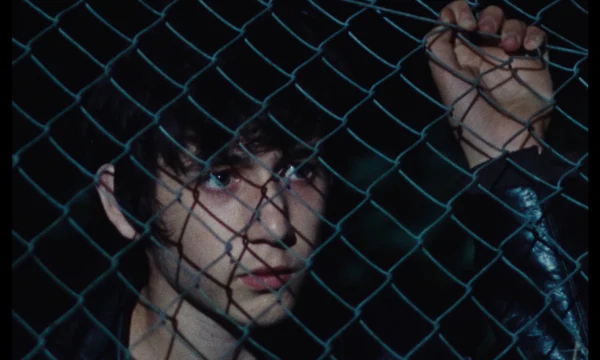
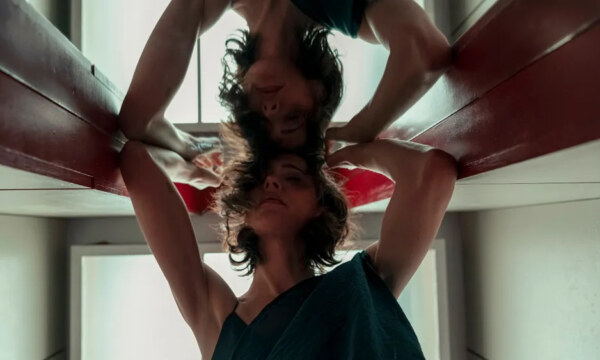
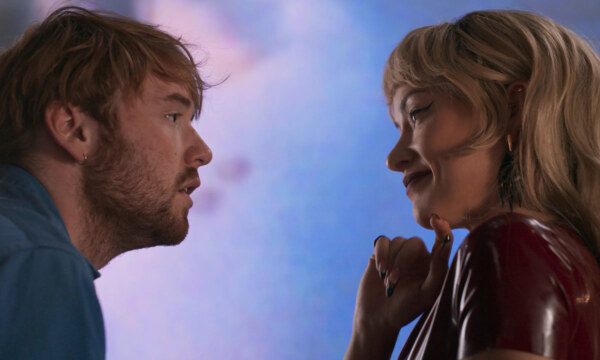
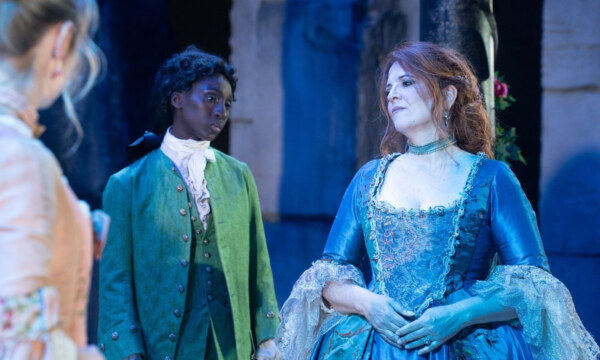
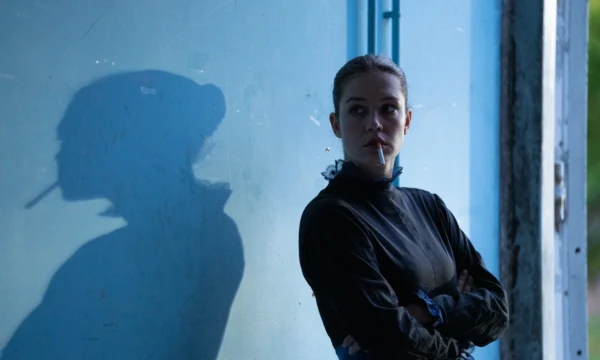
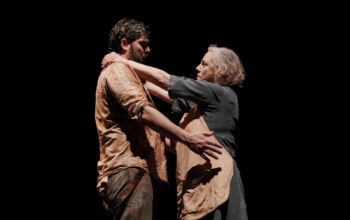
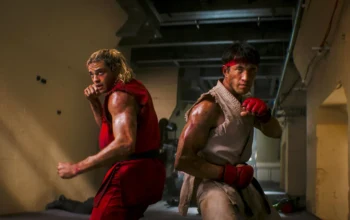
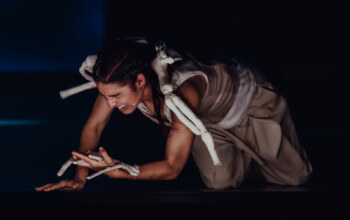
With narratives set in 1932, 1937 and 2017, Javier Ambrossi and Javier Calvo’s co-directed piece amounts to a colourful layer cake containing the lives queer men led at different moments in history and their connection to one another. Part of the triptych is an aching narrative between a solider and prisoner of war during the Spanish Civil War, another the dreamlike tale of a youth rejected from the high society of a casino – via a vote of black balls, hence the title – amid rumours of his sexual proclivities. Despite the immediacy of the modern-day storyline, the period sections are more assuredly directed, with a distinct visual language practically overpowering the frame. The interplay of images speaks to a melancholy deeply tied to any feelings of nostalgia, and a hyper-awareness of the many faces discrimination could take. The clarity of style translates into more compelling performances than the comparatively straightforward section about the millennial youth browsing Grindr, FaceTiming his partner, and grappling with an unexpected inheritance.
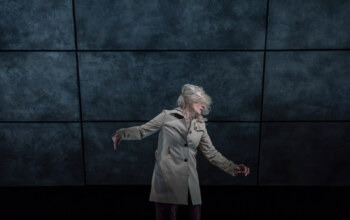
The feature links its three chapters through an almost fan-fiction-like interpretation of unfinished material by Federico García Lorca, but it also features a guest appearance by Glenn Close as a literary historian to spell this out for international audiences. Alberto Conejero’s play La Piedra Oscura functions as inspiration for the segment set in the military hospital. By weaving itself into Spain’s literary history, The Black Ball reveals the blind spots that have traditionally shaped it.
The film’s duration of two hours and 35 minutes tests the viewer’s stamina more than it sustains it, as relationships have been established but left unresolved for too much of its runtime. Still, The Black Ball is a poetic conversation about the voices and identities forced into the periphery of cultural history, but were never truly absent.
Selina Sondermann
Read more reviews from our Cannes Film Festival 2026 coverage here.
For further information about the event, visit the Cannes Film Festival website here.












Facebook
Twitter
Instagram
YouTube
RSS