
Fortnum & Mason dinner spotlights Australian beef and lamb

 26 February 2026
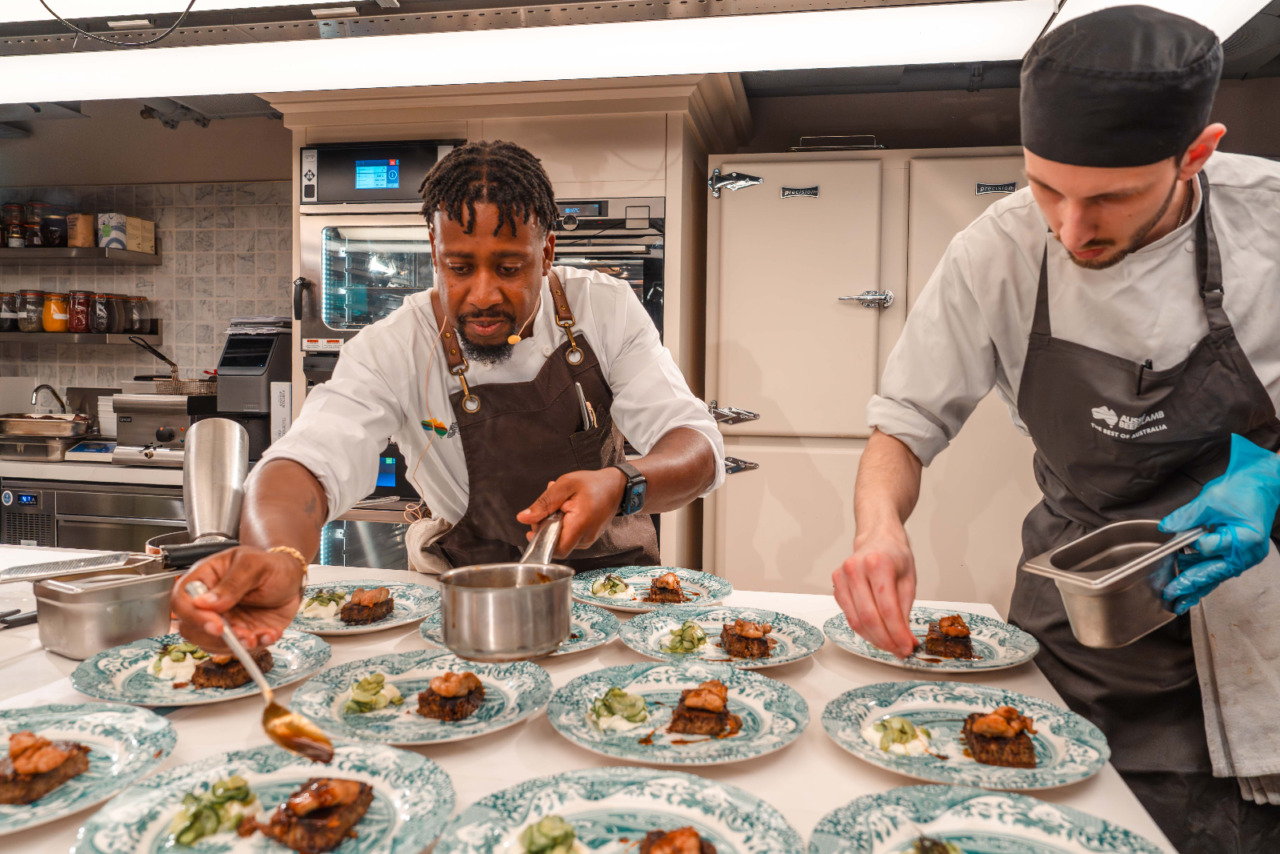
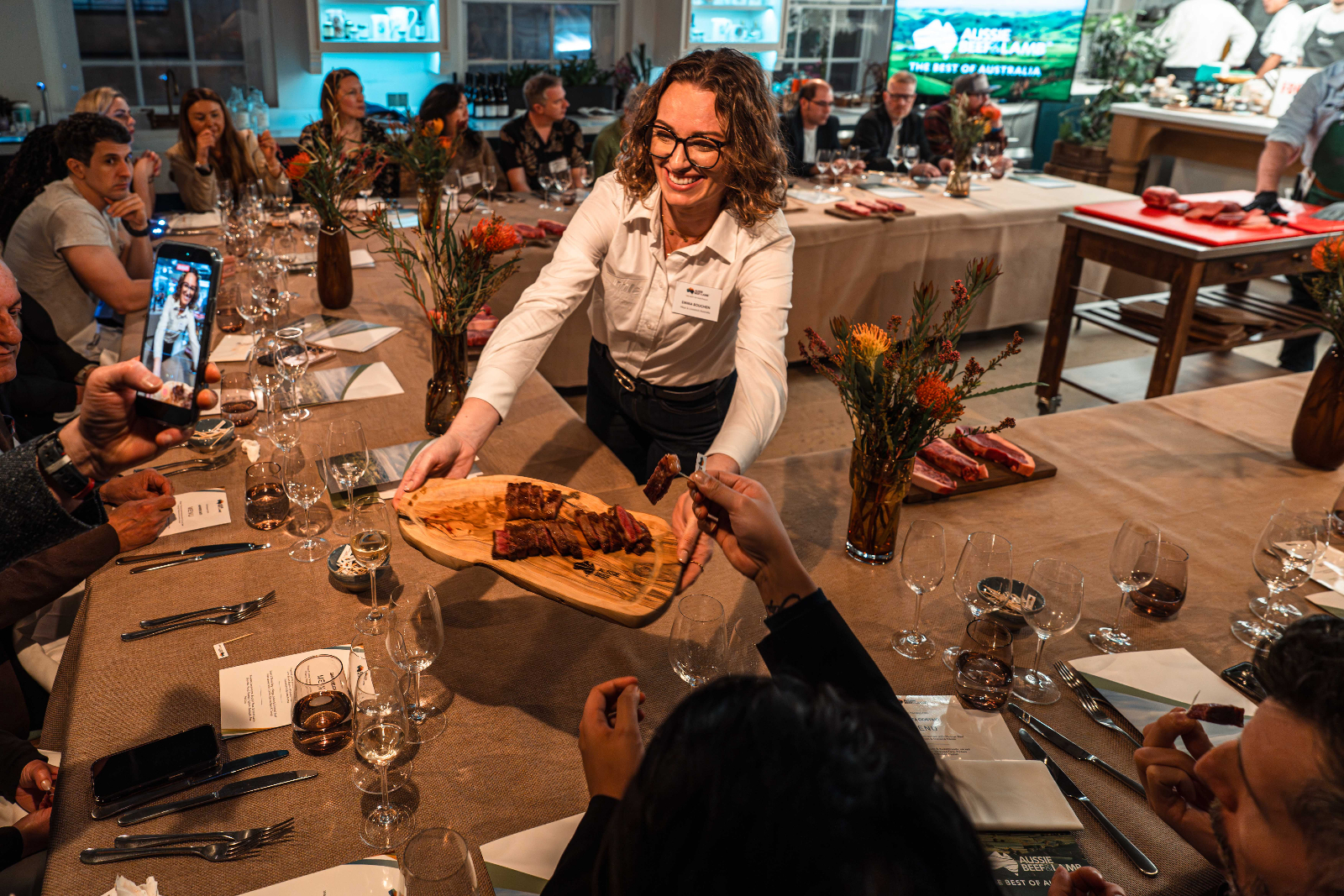
British chef and restaurateur Mike Reid hosted a media dinner at Fortnum & Mason in Piccadilly, London, this week, focusing on the role Australian beef and lamb play in the UK market. The event, held in partnership with Aussie Beef & Lamb – the brand used to promote Australian red meat in the UK – took place on 23rd February 2026 and examined the supporting role of Australian red meat imports alongside the similarities between Australian and British farming approaches to quality and sustainability.
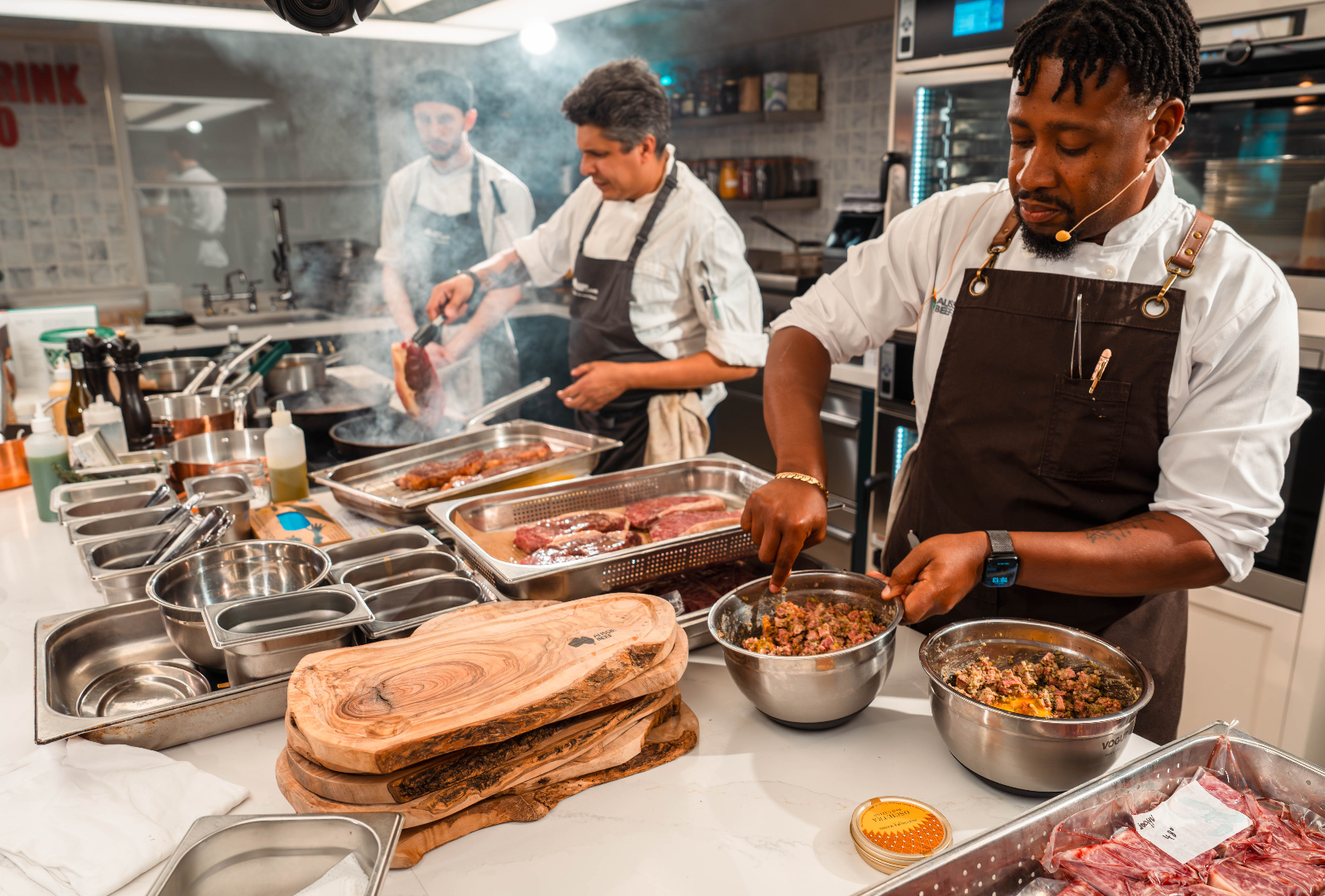
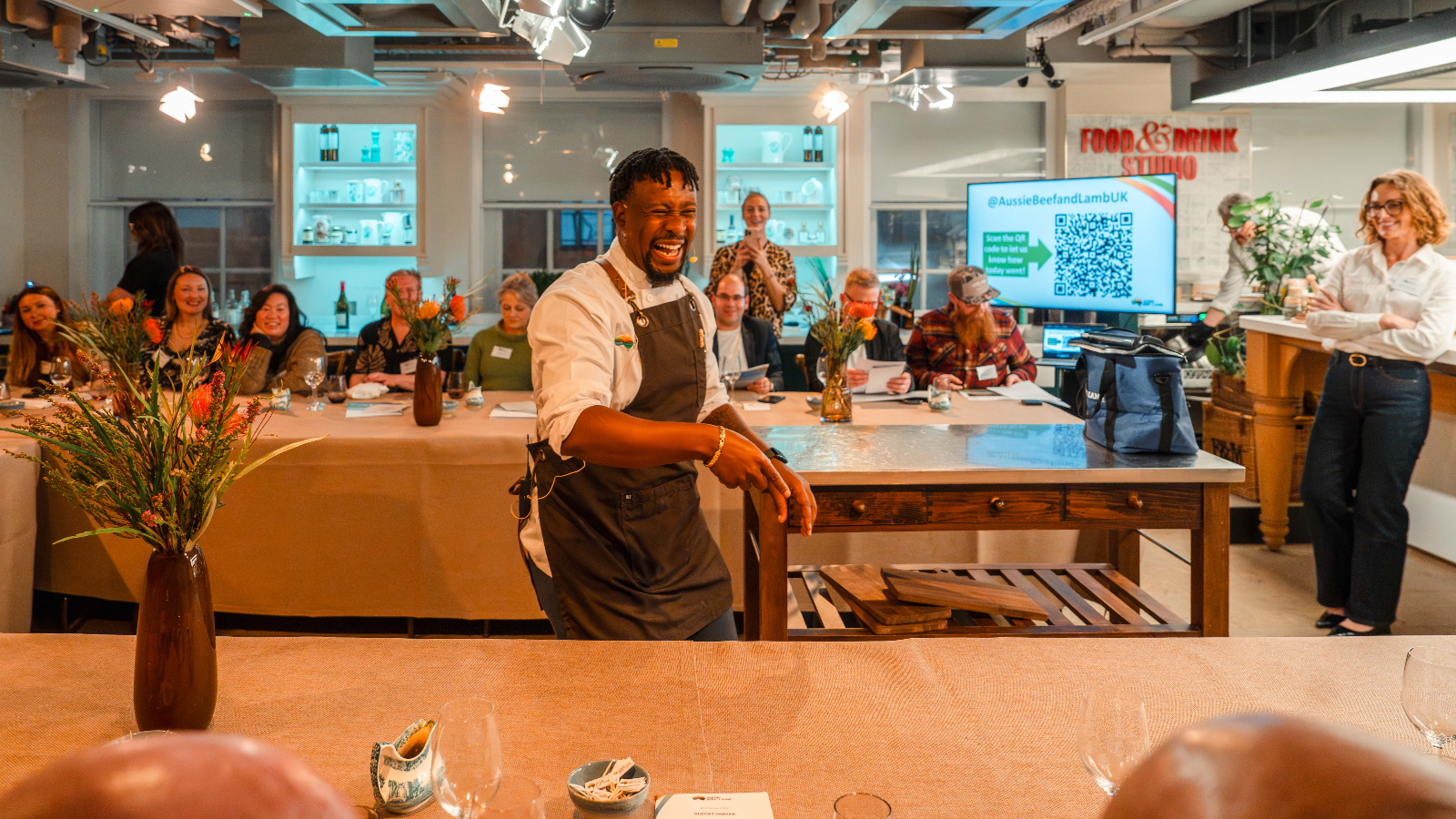
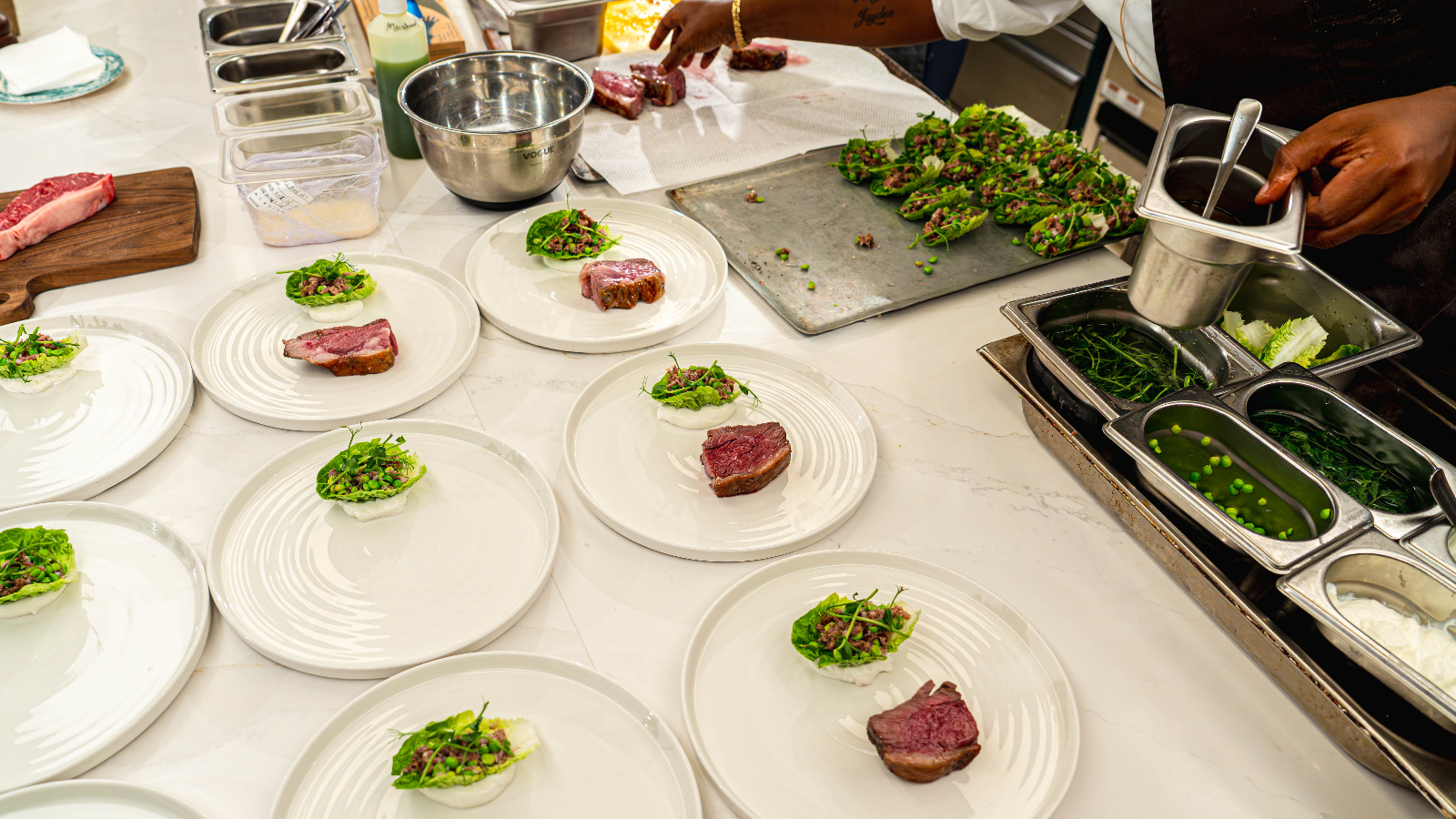
Reid, who works as an advocate for the brand, spoke about why some chefs choose Australian beef and lamb, citing consistency, cut flexibility and eating quality across different menu formats. The evening featured live cooking demonstrations of dishes he created for the occasion.
Speaking before the event, Reid said: “Australian beef gives me confidence in the kitchen. The grading, the marbling, the way it performs service after service; that consistency is invaluable. It allows chefs to focus on creativity, knowing the product will deliver on flavour and texture every time.”
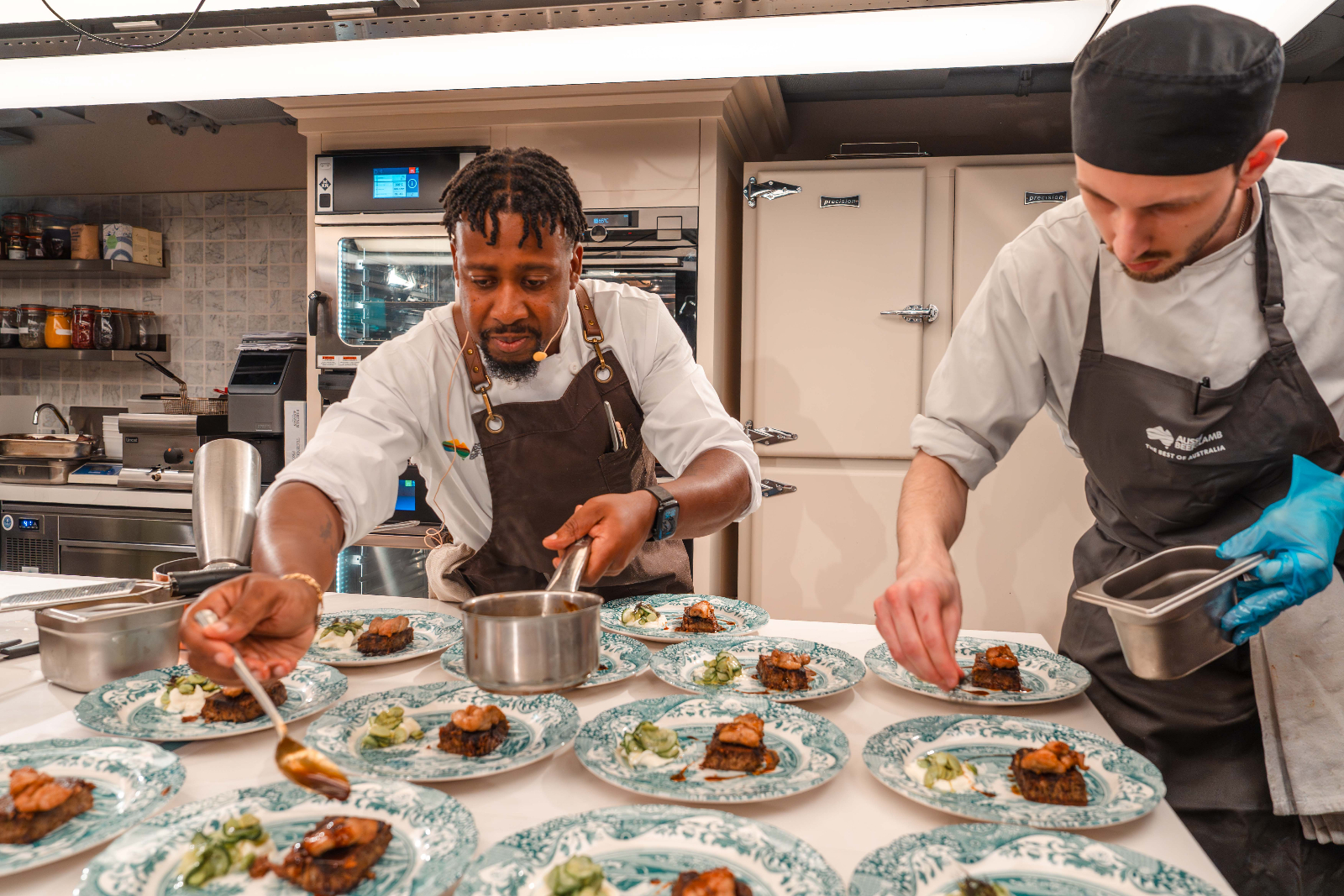
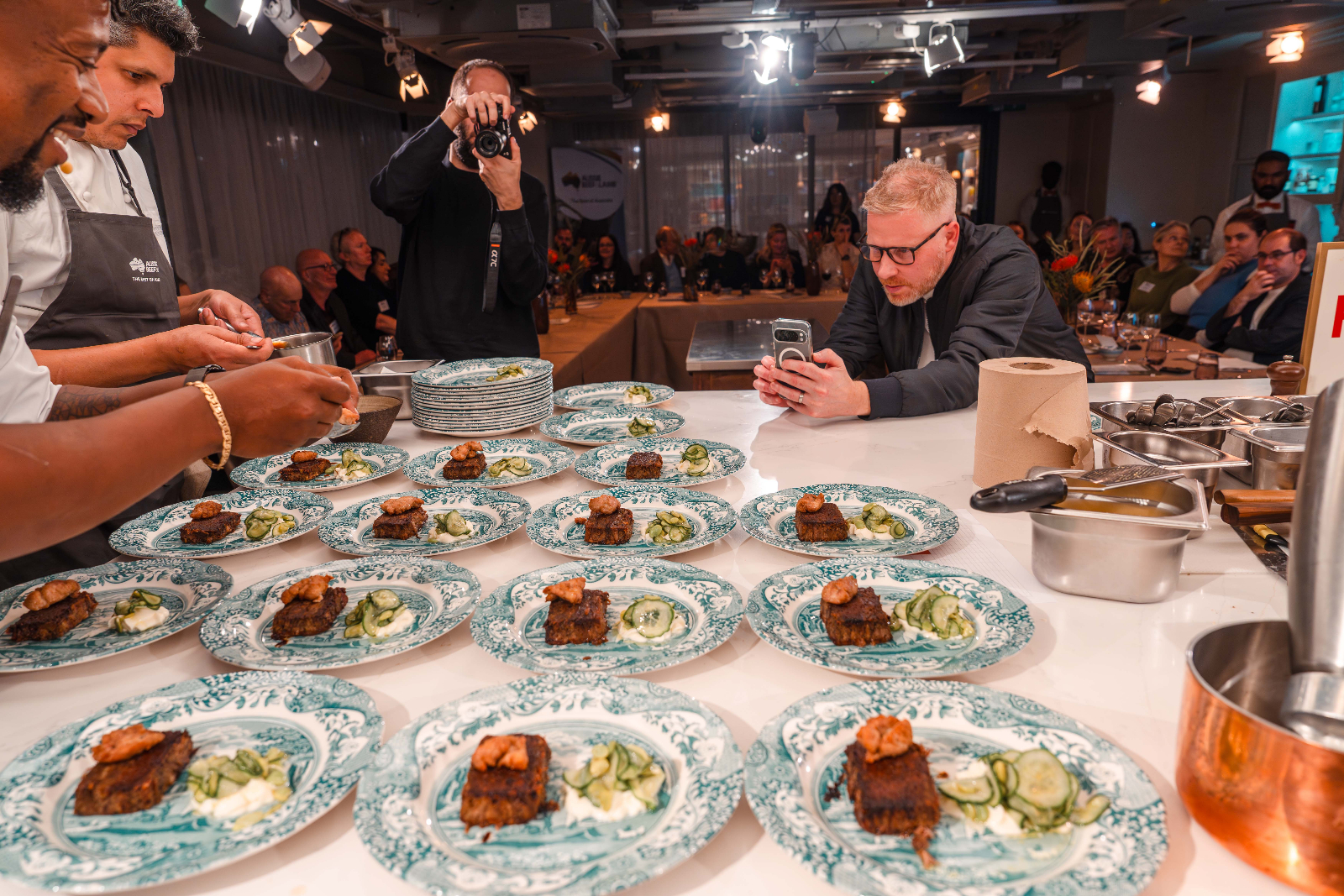
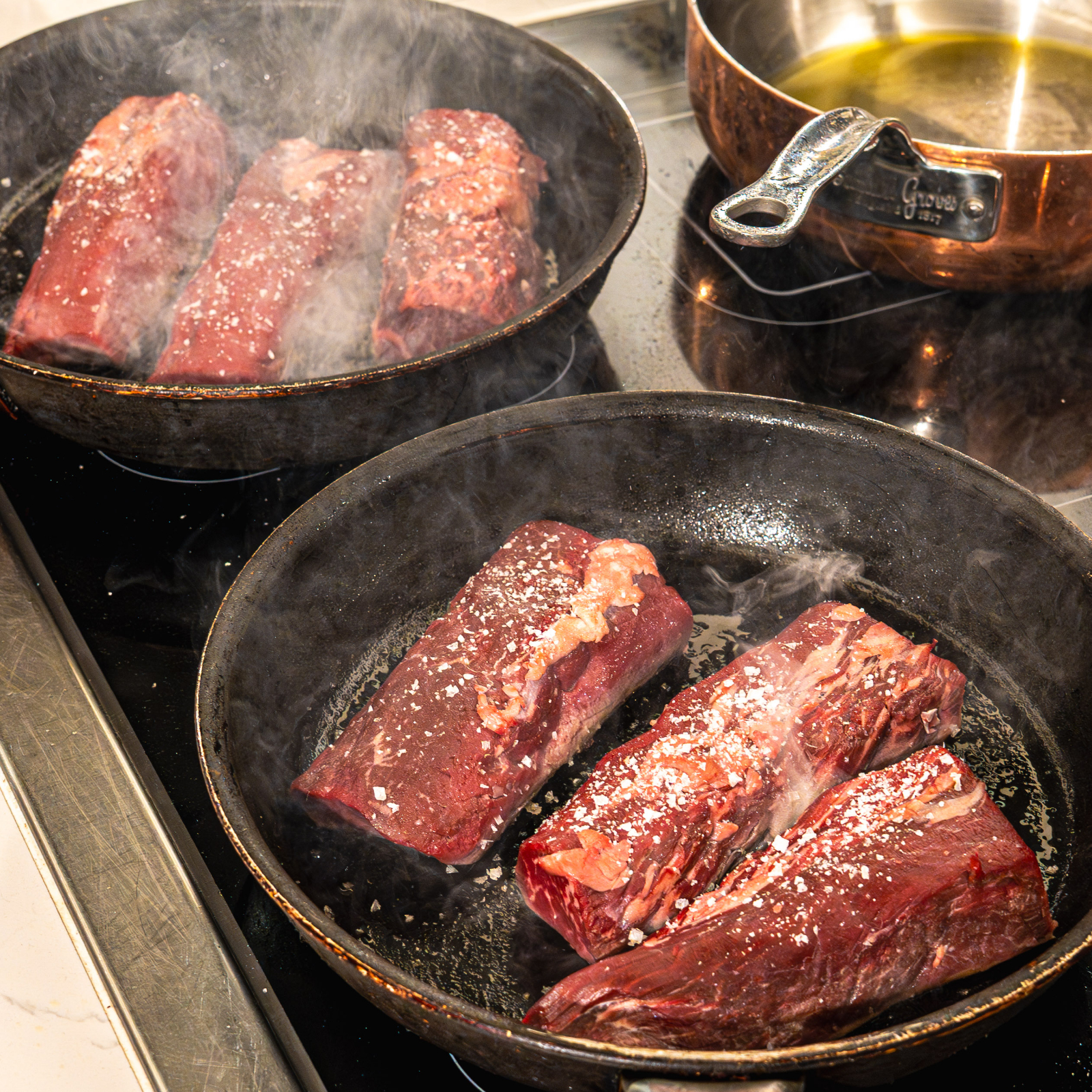
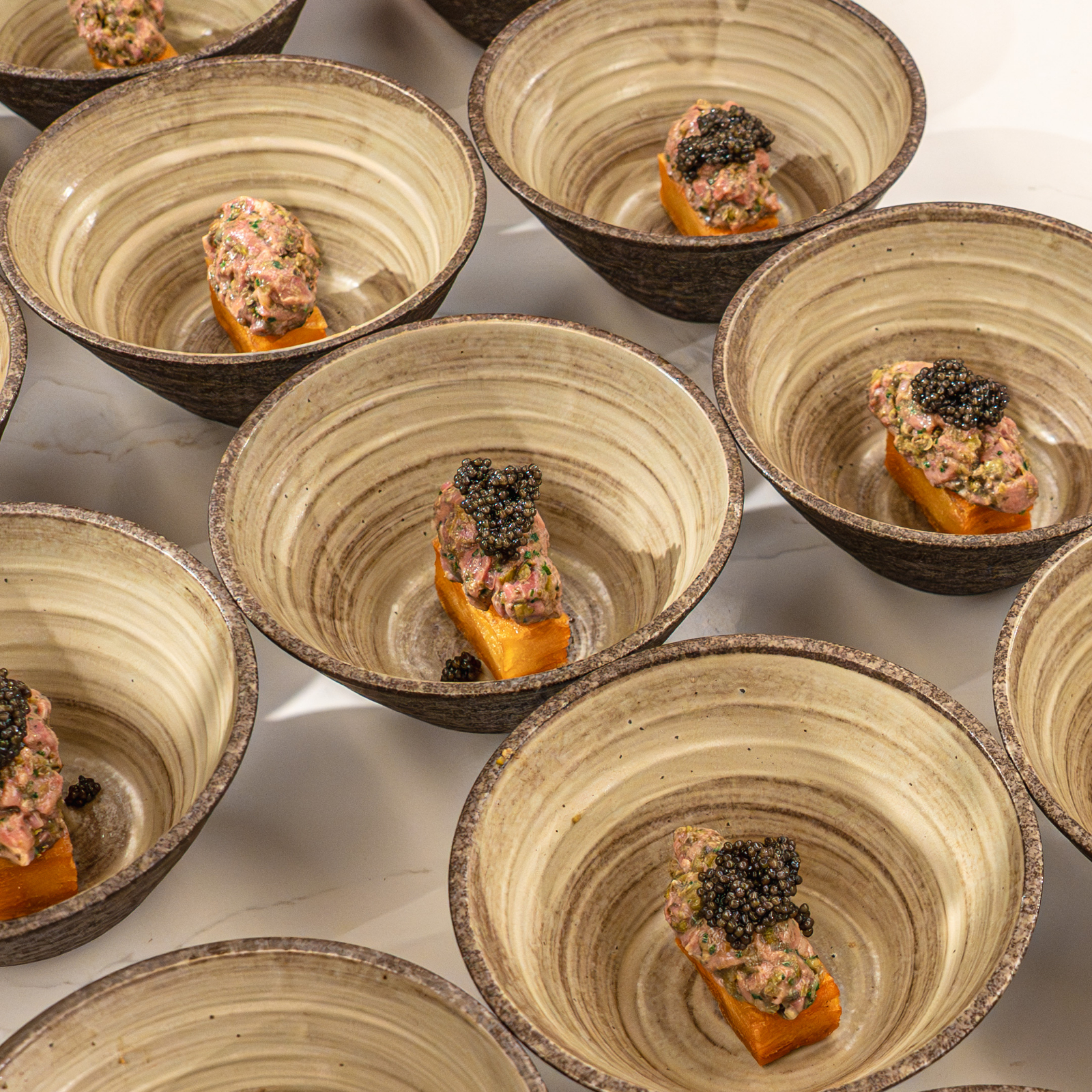
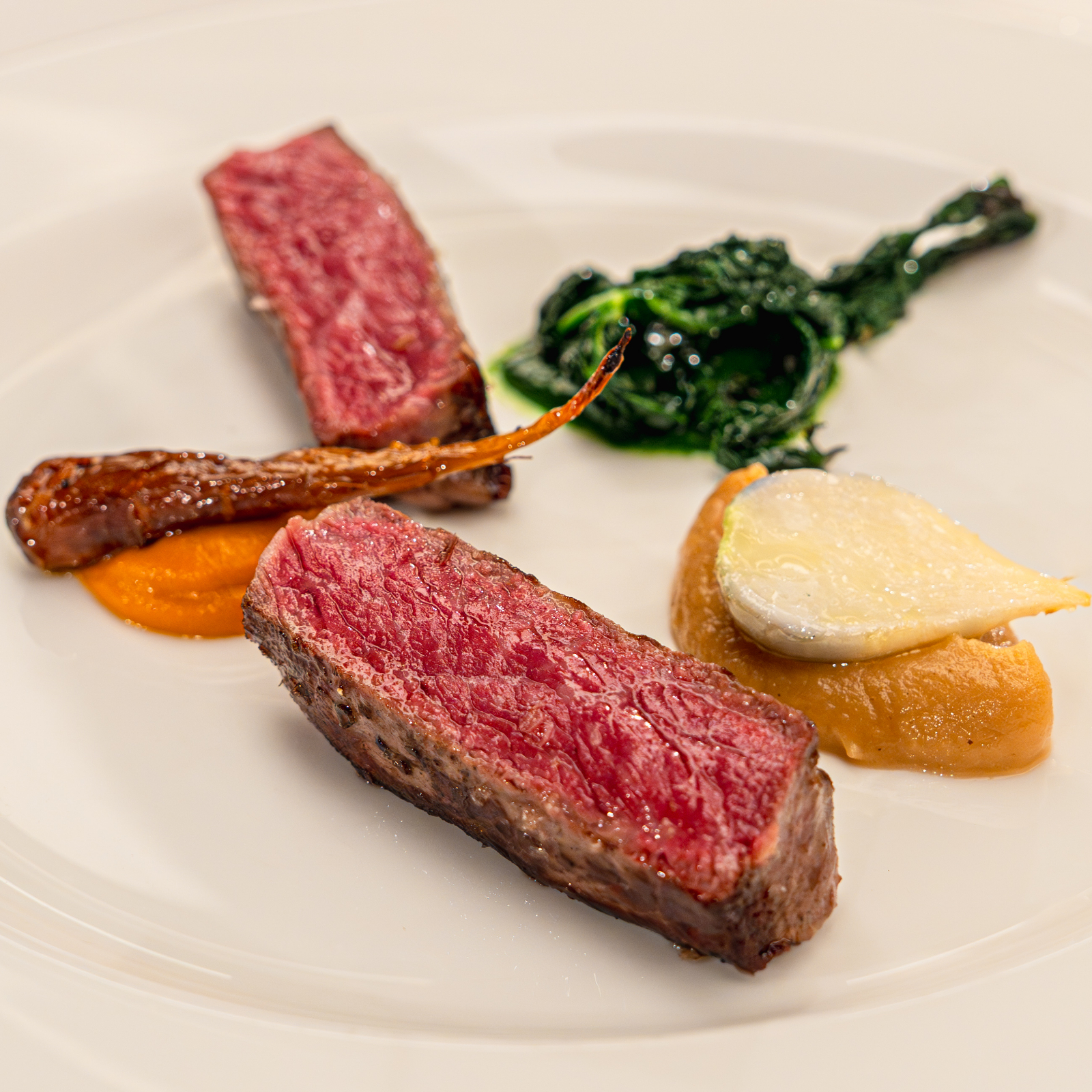
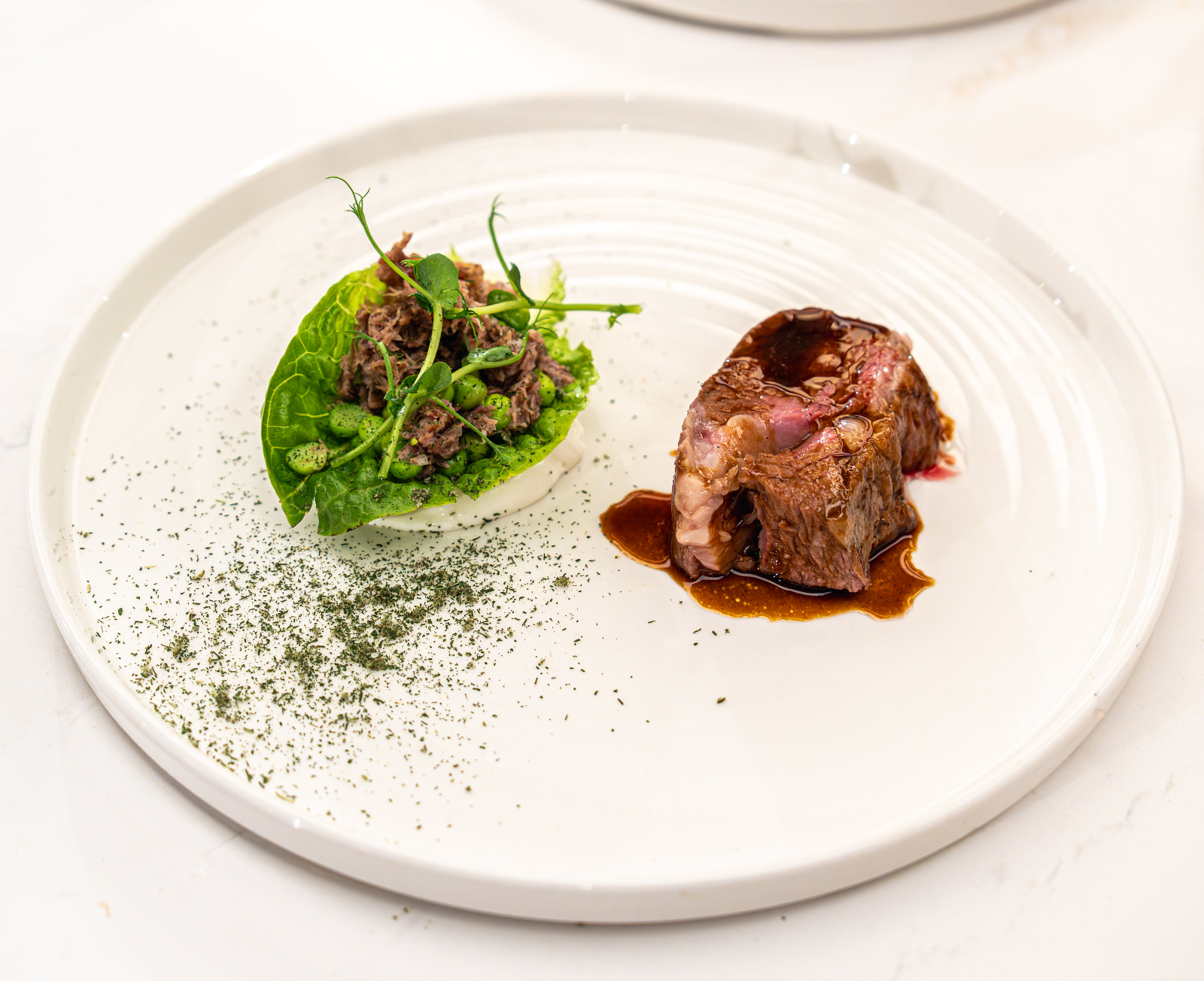
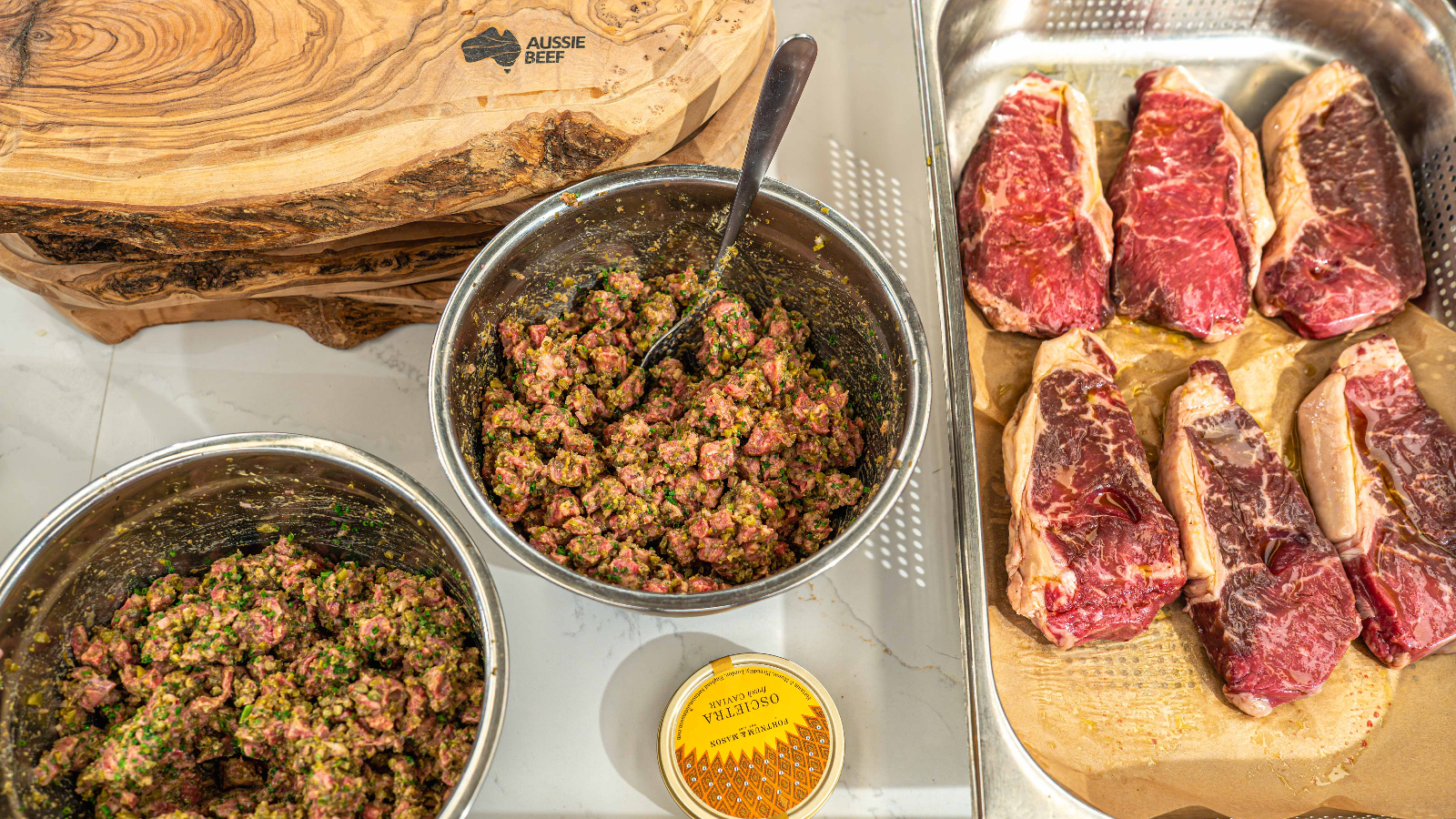
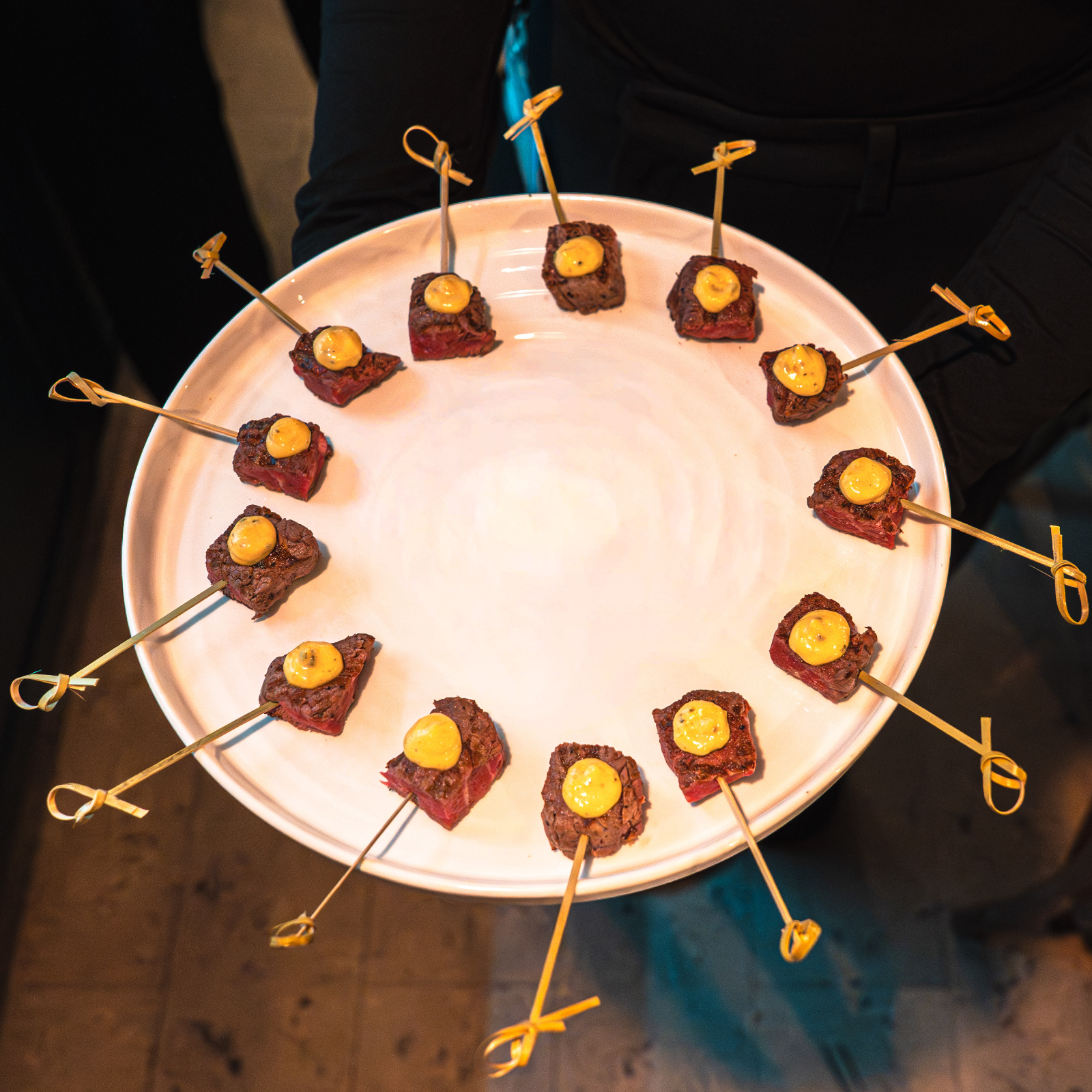
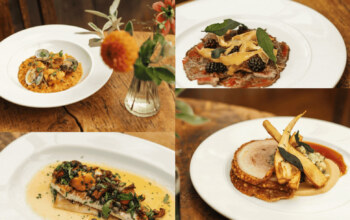
The four-course menu featured both premium and everyday cuts, including 8–9+ Wagyu sirloin and picanha from Queensland, grainfed beef fillet, and lamb shoulder and rumps from southern Australia. Dishes included Wagyu Picanha Tartare with Beef Dripping Potatoes and Oscietra Caviar, pressed lamb shoulder and sweetbreads, a meat and three veg course of Wagyu sirloin and grainfed beef fillet, and roasted lamb rump with English peas and smoked lamb shoulder.
A butchery demonstration was led by Richard Sanders, Aussie Beef & Lamb’s UK and EU Country Manager and a master butcher, who compared grassfed, grainfed Black Angus and Wagyu sirloin steaks side by side. “Exploring marbling structure, flavour development, fat composition and how production systems influence eating experience, the demonstration illustrated Australia’s unique ability to offer chefs a spectrum of performance from the same primal cut and how chefs and meat lovers can make the most of every cut,” he said.
Guests also heard about the position of imports within the UK supply chain. Sanders noted that Australia’s seasons contrast with Britain’s, allowing its production to peak when UK supply is lowest. He observed that analysis suggests the UK could face a red meat shortfall over the coming decade as demand, driven by population growth, outpaces domestic production.
Sanders emphasised that Australian supply remains a small proportion of UK imports, despite growth following the Australia–UK Free Trade Agreement, which came into force in 2023. “Despite the recent growth, which is built off a very low base, Australia still represents only a small portion of total UK red meat imports,” he said.
In 2025, Australia accounted for 6% of total UK beef imports, up from 2% in 2024, making it the fifth largest beef supplier. It was the second largest supplier of sheepmeat, with a 36% share. Australian beef exports to the UK grew by 168% year on year, while lamb exports rose by 43%. EU countries such as Poland and Ireland, along with New Zealand and Brazil, remain the largest suppliers to the UK.
The Australian industry reports that it reduced net carbon emissions by 78% between 2005 and 2021 and cut water use in cattle production by 73%. Most exports to Europe travel by sea freight. Australia is also the world’s largest exporter of Wagyu, sending more than 67,000 tonnes to global markets each year, and is the second-largest producer after Japan, with a herd of more than 300,000 animals.
Food Desk












Facebook
Twitter
Instagram
YouTube
RSS