
Oasis
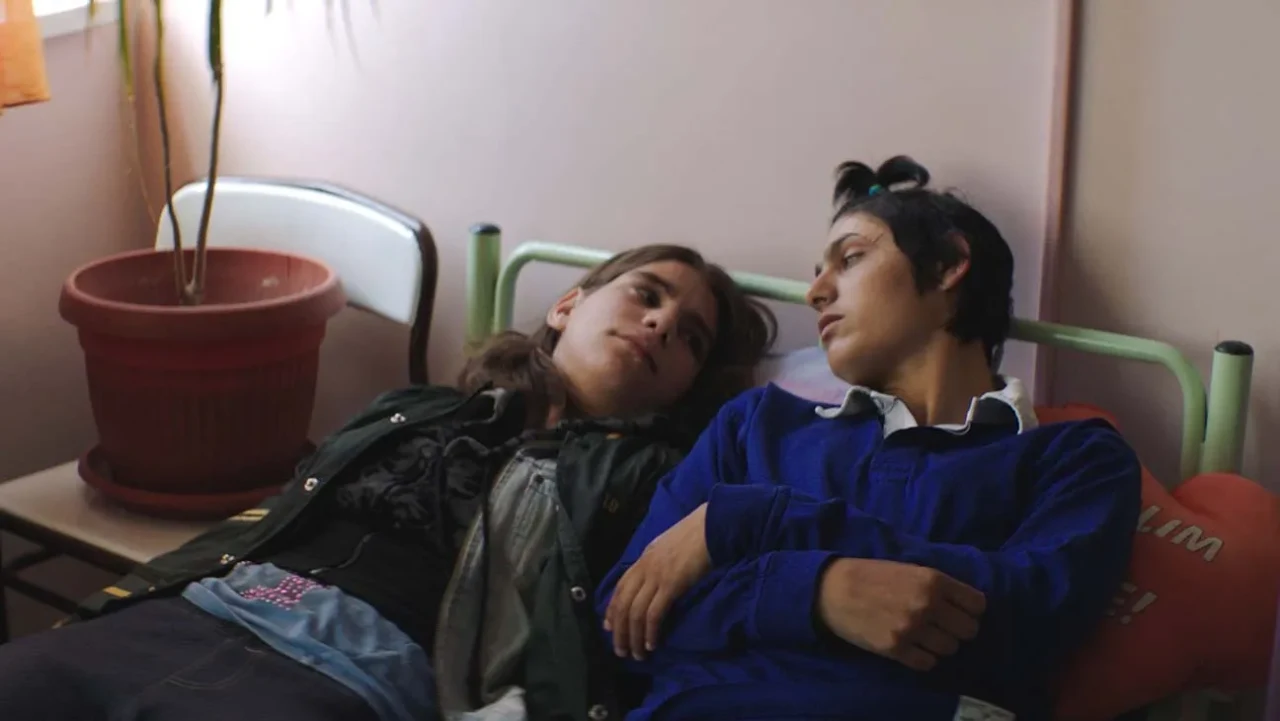


School shootings have emerged as a recurring subject in films this year, forming the basis of both a pivotal reveal in a popular A24 release (which shall remain unnamed lest it be spoiled for those who haven’t seen it) and the friendship at the heart of bitter buddy comedy Our Hero, Balthazar.
The latest feature to tackle the topic doesn’t explicitly depict or speak to an armed rampage, but plays on the ominous undercurrent of everyone expecting the violence at the school to escalate. German drama Oasis chronicles familiar images of adolescent bullying, the futility of the school’s preventive measures against it, and the hypocrisy of parents demanding a safer environment whilst overlooking their own children’s contribution. Naturally, the person bearing the brunt of the abuse eventually reaches for a (paintball) gun. However, director Jannis Lenz strips his version of all the amplified drama of its predominantly American counterparts and opts for a slow, deliberate waltz on the volcano.
Despite smartphones being used to turn moments of personal humiliation into spectacles for collective consumption, the film’s teenage world is strikingly unmediated by these gadgets. Unusually old-fashioned, the central trio still goes off into the woods without having their devices on them. Sheltered from the outside world, the three probe the limits of their own pain tolerance: biting each other until given the agreed signal to stop, or daring one another to see who can stare into the sun the longest. These games are simultaneously childlike in their impulse to push boundaries, but oddly sophisticated in the rules they devise around them. Each instance of inflicting pain is followed by a hug, a ritual of reconnection reminiscent of BDSM aftercare.
The feature’s alienation, emotional distance, and austere visuals echo the work of Haneke, to the point where Austrianisms seem to seep into the line delivery, even though the actors are German. Much of the young cast can appear a bit stiff in front of the camera, dialogue moving at halting pace, though it is difficult to discern whether this is a directorial choice or simply a matter of inexperience.
Godehard Giese, who also starred alongside Sandra Hüller in this year’s Rose, plays the protagonist’s father, torn between his responsibilities as a teacher and those to his son, who is still grieving the loss of his mother. Both men appear ill-equipped to confront their own feelings, let alone express them to each other. A game of Guitar Hero briefly bridges the distance between them, but can only paper over the discord.
Oasis trusts its own rhythm, letting curiosity rather than plot dictate its course. For those willing to meet the film on its terms, it opens to larger questions about endurance, distress and the inescapable human need for belonging.
Selina Sondermann
Read more reviews from our Venice Film Festival 2026 coverage here.
For further information about the event, visit the Venice Film Festival website here.















Facebook
Twitter
Instagram
YouTube
RSS