
London’s coffee revolution: How the scene has changed in the last ten years
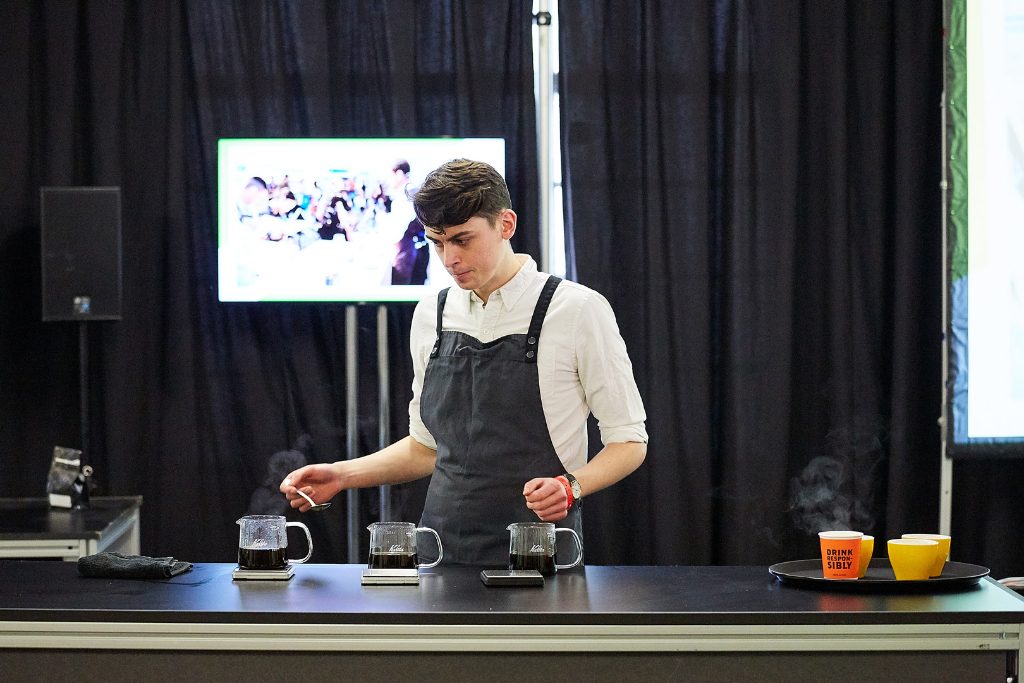


The evolution of the coffee scene in recent years has been rapid and constant, and the drink has increasingly come to represent a multidimensional concept with a substantial social presence and marketing potential. It would be difficult to measure the growth of our caffeine obsession in precise terms, but a yearly visit to the London Coffee Festival – an event that brings thousands of coffee drinkers and industry experts together – certainly makes for a valid starting point in monitoring the progress of the changing field in the capital and beyond.
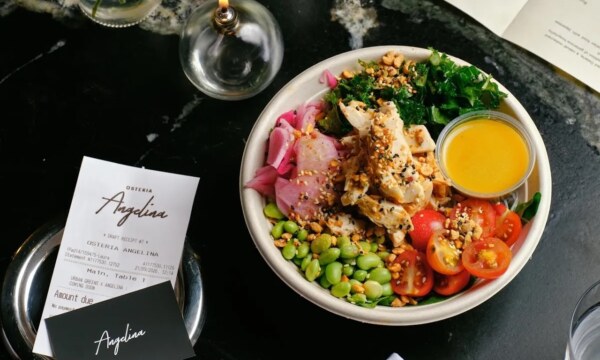
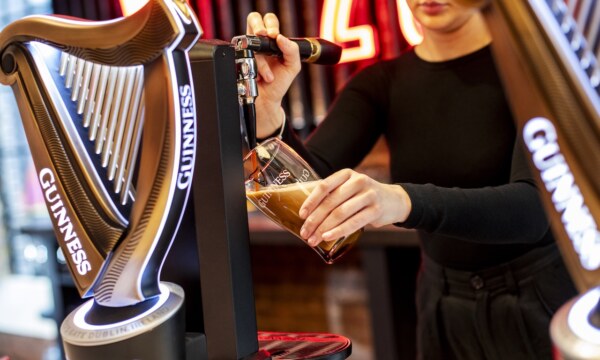
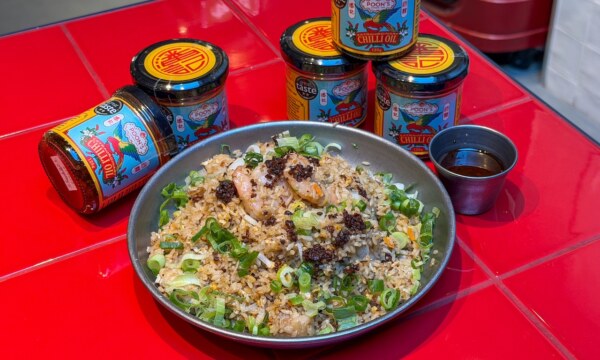
On the first two days of the festival – which are dedicated to those involved in the industry – there were a number of talks addressing the changing face of coffee, and assessing the current market in terms of offering and direction. A panel hosted by modern business magazine Courier tackled the issue of making money from the bean, and speakers discussed what works and what people can expect to see more of. It transpired that while coffee is key, when it comes to profit, non-coffee products play as big a role in the overall success of a café. In fact, snacks, alcoholic drinks and alternative milk drinks were very prominent at this year’s event. Experts spoke at large of the “coffee bar”, the day-to-night coffee shop model that is on the rise. Such a place allows people to get the full experience: great blends, but also quality food, snacks and booze. Pioneers include Grind, whose founder David Abrahamovitch was part of the discussion. Another model that is proving to be successful is the café roastery – represented at the talk by Allpress Espresso’s Sam Harvey – and smaller local cafés providing quality produce are going strong too, as Carol Deeney – of the eponymous Deeney’s – explained.
The coffee industry is by no means moving in one direction only. Since the brew is forever in demand, and since good quality coffee is sought by an increasing number of aficionados, Caffeine editor Phil Wain – who has visited hundreds of coffee shops in London – pointed out that speciality outlets are making their way into unexpected spaces and reaching untrodden grounds. Coffee shops within retail spaces are becoming a common sight, and a number of working spaces, small businesses and even airports are choosing to host speciality brands.
Jeffrey Young, founder of the London Coffee Festival, gave us an overview of what he has witnessed over time: “this is the eighth London Coffee Festival, and I think we’ve seen a complete transformation of the coffee scene over the past ten years”, Jeffrey explains. “The coffee shop model is changing and this affects the way coffee shop models trade now. It began with the cappuccino, the latte, an espresso, tea. Now we have the flat white, the cold brews, the matcha lattes, turmeric lattes, speciality teas, coffee cocktails. People want variety, and they like new products, they like innovation.”
Speaking of future trends, Young stated that “one of the things we see clearly is this Fifth Wave concept. Whereas the Third Wave movement was about mastering the craft, and the Fourth Wave was about science and being geeky, the Fifth Wave will be about putting together a very highly professional boutique, and looking to deliver excellence across the board. We’re looking at really stylised products, in non-corporate businesses run by smart, ambitious, entrepreneurial people. Those will be the new chains that we’ll see. If there’s one thing that’s happened in the last ten years it’s the rise of aesthetics in the industry. Presentation is a much bigger thing now. Even when it comes to the actual coffee, when you go to a coffee shop now, you expect to see latte art and you want to take pretty pictures of your drink. Stores are looking better, as is the branding and the packaging of products. At the festival we look for companies that embrace that whole ethos: good on the inside, and good on the outside.” He adds that “this event is a reflection of where the industry is now, and also where it will be, so a lot of people come to this festival to be inspired and to think about the things that they can add to their own coffee shops.”
It certainly seems that this is an exciting time for the industry, and that coffee drinkers and geeks alike have much to look forward to.
Mersa Auda
Photo: Matthew Pull





Facebook
Twitter
Instagram
YouTube
RSS