
Wrinkles and ageing skin: The myths and truths to be aware of
 4 April 2022
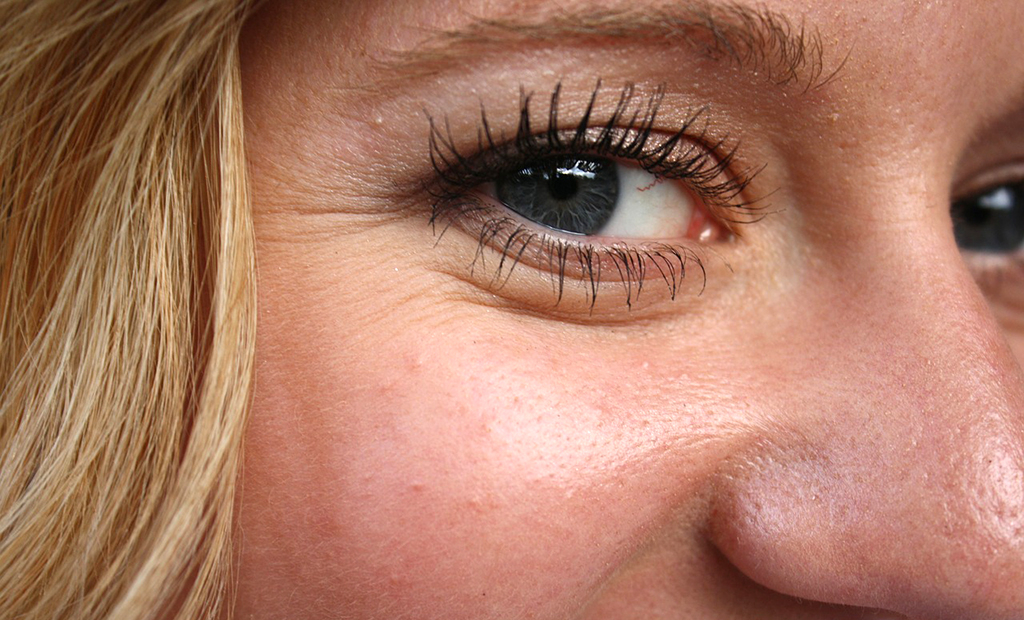
Wrinkles are often associated with the lines and creases on the face. However, it’s not just the face that wrinkles: other body parts, especially those that receive more sun exposure, including the forearms, hands, and neck, are also susceptible to damage. Wrinkles are part of ageing, although other factors may also contribute to their early appearance.
There are two types of wrinkles, which are dynamic and static. Dynamic wrinkles develop due to repeated facial movements, such as lines in the forehead and crow’s feet. On the other hand, static wrinkles are caused by the skin’s loss of elasticity. Examples are wrinkles that develop on the neck and under the eyes. Most people have heard of many things about wrinkles, but they might be surprised that not all of them are true. Here’s a list of some of the most common myths about wrinkles and the truth behind them.
Genes determine how many wrinkles people will have
Genes play a role in how soon and how many wrinkles one develops, however, it’s not true that it’s the only determining factor because other things could contribute too, including how well one cares for the skin and one’s lifestyle in general. No matter how good genes are, if skin and health aren’t taken care of, there may still be premature signs of ageing, including wrinkles.
Expensive treatments are the best for preventing wrinkles
High price does not always equate to quality and efficiency. Moreover, there is no one-size-fits-all treatment when it comes to wrinkles. Talking to a skin specialist to explore options and find the most effective and affordable ones can be invaluable. For example, there are anti-wrinkle injections that one can get at a fraction of the cost of other expensive treatments. This kind of procedure typically lasts for 20 minutes with no downtime. It’s recommended to get these injections at least two or three times a year, since their effects typicallu last for four to six months. (Click here to know more about anti-wrinkle injections.)
There is no way to reverse the appearance of wrinkles
While it’s true that one cannot stop or reverse the appearance of wrinkles in the long run as it’s part of the ageing process, it is possible to delay signs and make them less noticeable. Proper skin care and a healthy lifestyle can help with this. Moreover, various treatments are designed to blur these fine lines and make the skin look smoother, firmer and younger.
People with oily skin are less prone to wrinkles
The oil produced by the skin is not related to the production of wrinkles, so it doesn’t make the skin less prone to the latter. Instead, wrinkles may be more noticeable on dry skin, which may be the reason for the belief. However, people who have oily skin will still need proper skin care to prevent wrinkles like others with different skin types.
The bottom line is that it’s paramount to ensure that one takes care of one’s skin and health to have a healthier and younger-looking appearance. This includes applying sunscreen, drinking plenty of water, eating healthy foods and getting enough sleep.
The editorial unit



















Facebook
Twitter
Instagram
YouTube
RSS