
Mr Nelson, Did You Kill People?
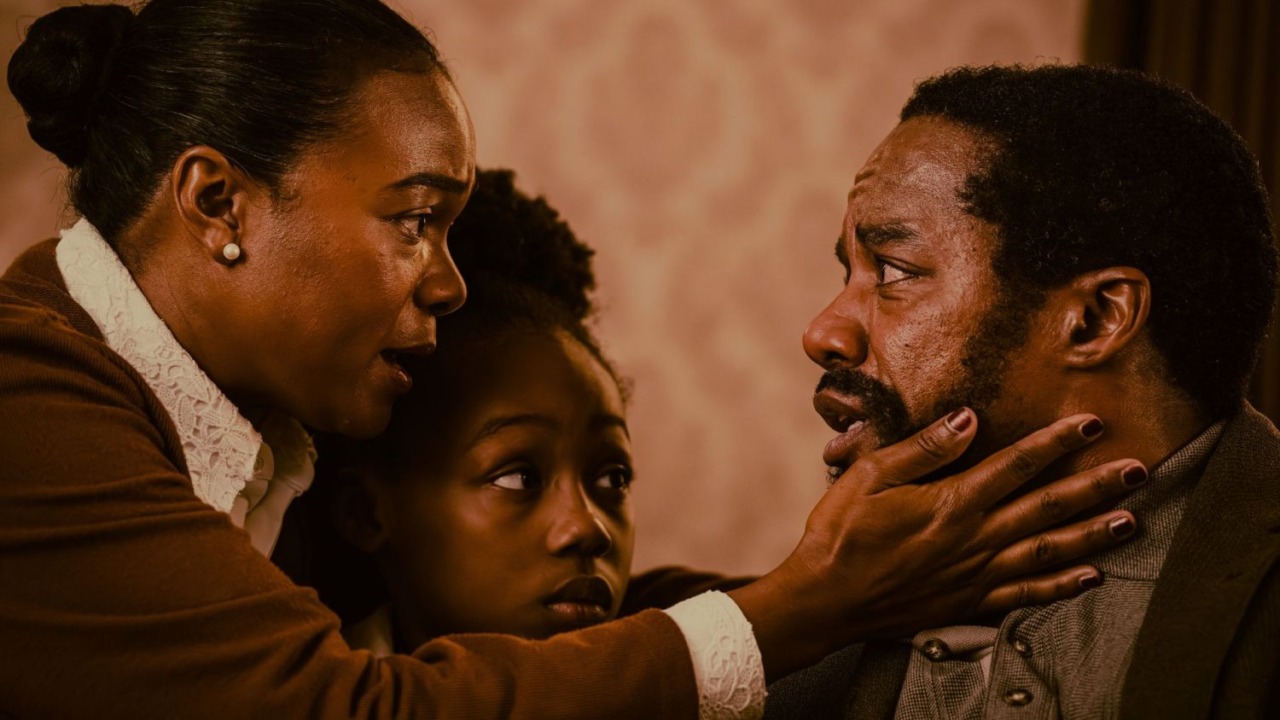


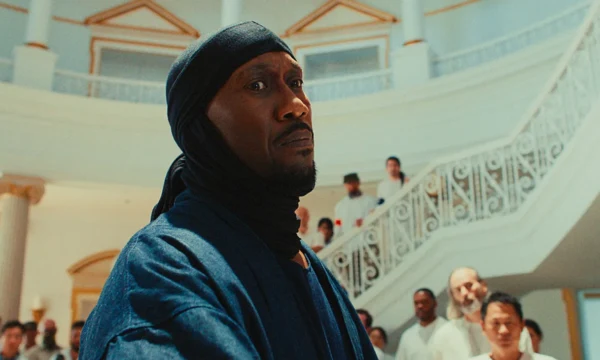
Japanese filmmaker Shinya Tsukamoto takes on the roles of writer, director, cinematographer and editor in his adaptation of Allen Nelson’s memoir about his traumatic experiences as a veteran of the US Marine Corps. Nelson (played by Mark Merphy and Rodney Hicks) suffers from severe PTSD after fighting in the Vietnam War. In the rare nights when he can sleep, he is terrified of harming his wife. For years, any attempts at coping are only moderately successful. Finally, persistent therapist Dr Daniels (Geoffrey Rush) achieves a breakthrough.
Mr Nelson, Did You Kill People? looks like a pressing film on paper, but the end-product feels like an overburdened construction site: rudimentary to the point that it begs the question whether it was selected into the Venice Competition lineup unseen.
It’s Tsukamoto’s English-language debut, and one has to concede that shooting outside one’s mother tongue comes with its own, very particular set of challenges. No matter how fluent one might be, there is a cultural aspect to language and vernacular non-natives often have a blind spot for. Such seems to be the case with this screenplay, as it lacks any nuance between silence and the spoken word. The fact that Allen Nelson’s inability to vocalise his guilt and shame is part of the story ideally should have informed an awareness of the myriad ways things are expressed. But as clunky and explicit as some pieces of dialogue may be in the script, they are made worse by some of the regurgitated, disconnected line readings. One is given the impression that the supporting cast have barely seen any direction apart from practical information about their marks and the occasional rehearsal of combat scenes.
Tsukamoto is best known for his work in body horror, and while his vast experience with brutal action scenes and gruesome dismemberment shows in this film, it doesn’t feel substantiated by the material. The violence of war is not something one should ever get used to, but the feature’s consistent ferocity stops feeling like the desired dismantling of any possible misconceptions about the realities of war and starts to relish its own shock value.
It is evident that the blood and gore were the director’s primary interest, because the scenes in which characters pour their heart out often amount to little more than shot-reverse shot. By comparison, the recreations of the military atrocities committed in Vietnam feel disturbingly creative. Mr Nelson, Did You Kill People? is excessively violent for a film that ultimately promotes the idea of opposing violence.
There is no deeper examination of the Black soldiers, who experience racial abuse in their home country, jumping at recreating it with Asian locals in Japan and Vietnam.
It’s not quite clear whether the sound mixing was not completed in time for the film’s screening in Venice or if the particular reverberation design that dulls every line spoken off-screen was deliberately intended to sound this way. If the desired effect was distortion in order to amplify Nelson’s condition, the implementation is too imprecise to convey this.
As painful as it is to write these words about a movie carrying such an important message, watching it was equally painful. Allen Nelson’s legacy is a significant one, but it deserves a more sensitive and committed feature to honour it.
Selina Sondermann
Read more reviews from our Venice Film Festival 2026 coverage here.
For further information about the event, visit the Venice Film Festival website here.
















Facebook
Twitter
Instagram
YouTube
RSS