
Egypt: Faith After the Pharaohs at the British Museum
 3 November 2015
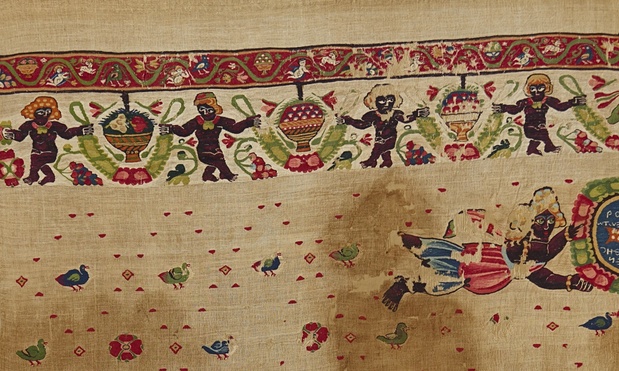
Egypt: Faith After the Pharaohs explores 1,200 years of history, providing insight into the entire course of the Egyptian history. It contains around 200 remarkable artefacts which convey the importance of Christianity, Islam and Judaism and their process of formation of Egyptian culture itself.
The exhibition advances slowly, albeit in great detail, from 30BC and the Roman Empire to 1171AD and the end of the Islamic Fatimid dynasty. The sectioning is in simple yet effective parts, which allows a fuller appreciation of the relationships between the different faiths and the impact that each had on forming Egypt; unity is a strong theme throughout.
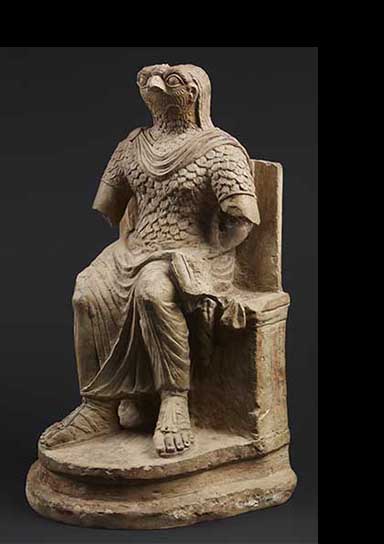
Perhaps the most iconic object of interest is Horus, the ancient Egyptians’ national god. After the Roman Conquest he was often shown in Roman armour with a general’s cloak, a symbol of power and embodying the characteristics of emperors. In this particular Roman Armoured Horus, the falcon feathers of the seated deity also shows parallels with the scale armour worn by Roman emperors of the time.
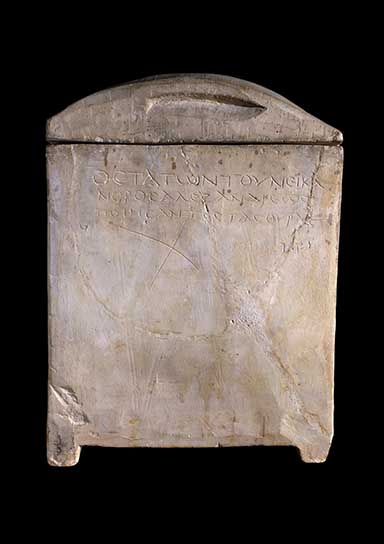
The Gravestone of “Abraham, the perfected monk” particularly epitomises the vital element of the exhibit, as its combination of inscription and imagery reflects the fundamental combination of Egyptian, Christian and Jewish cultures. The Greek letters tau and rho make up the cross-shaped symbol in the centre, a reference to Christ, but are also reinforced by handled crosses, adapted from the ancient Egyptian ankh hieroglyph meaning “life”, making it unequivocally Egyptian. Moreover, Abraham was a common Jewish name which had become increasingly popular with Christians
The interaction between the three communities is emphasised throughout, showing how they often overlap and conflict with each other, resulting in the emergence of the modern Egypt we recognise today. The exhibition opens with three significant examples of the different holy texts, which allow an immediate comparison and represent the continuity of the Abrahamic traditions, without losing the distinctiveness of each. Similarly, it ends with world maps from the perspective of these three faiths, perhaps invoking a sense of continuity and completeness.
The exhibit progresses slowly, and the viewer’s interest may wane. Nonetheless, it provides a detailed insight into this significant period of Egyptian history with a great amount of evidence to highlight the impacts of the different cultures.
Scott Tan
Egypt: Faith After the Pharaohs at the British Museum from 29th October 2015 until 7th February 2016, for further information visit here.

















Facebook
Twitter
Instagram
YouTube
RSS