
1610 at The Globe Inn, Dumfries: Whisky, food and history, all naturally intertwined






Walking around Dumfries feels like exploring a town from another era. For those travelling from London, the long train journey north helps to ease the shift into a new rhythm. Leaving the station, visitors are met with a different pace of life and a distinctly Scottish, memorable charm.
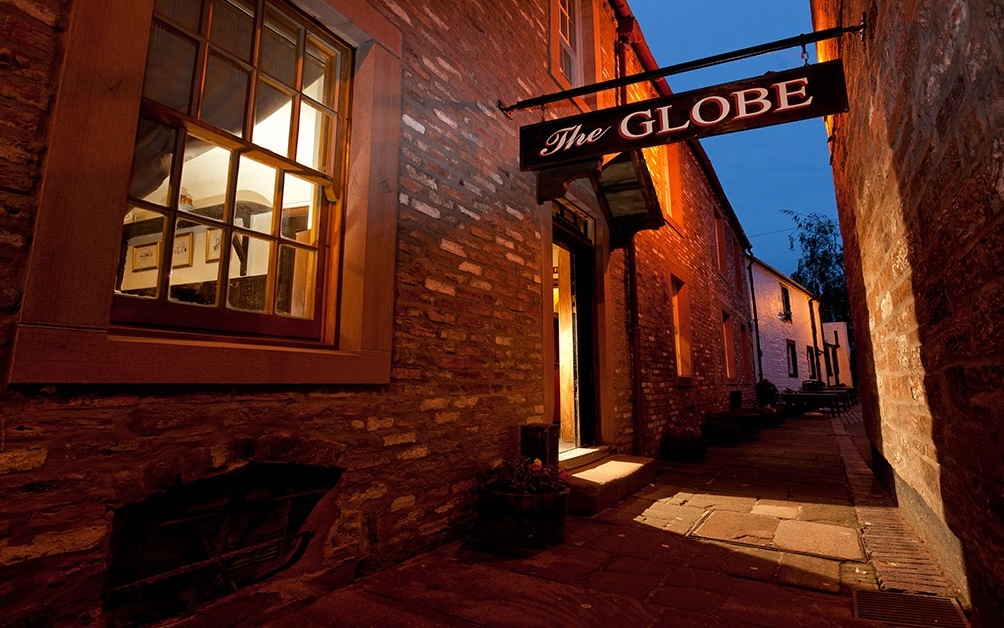
The border town takes pride in being the final resting place of Robert Burns. The Bard moved here in 1791, and pretty much every corner nods to his poetic legacy. Among statues, venues and shops either bearing his face or named after him, alleys and hidden alcoves conceal pubs and hostels. In one of them, marked from the main road only by an understated sign and a dark-framed doorway, lies the entrance to 1610 at The Globe Inn. The name reveals the age of the establishment, which has witnessed over four centuries of history passing by. The Globe Inn was already there when Burns arrived and became so dear to the poet that he affectionately called it his “favourite howff”. Testament to this attachment, the lodge has preserved – with regular, dedicated tours – the bedroom where he used to stay overnight, the etchings on the window pane and the chair on which he used to sit and write.
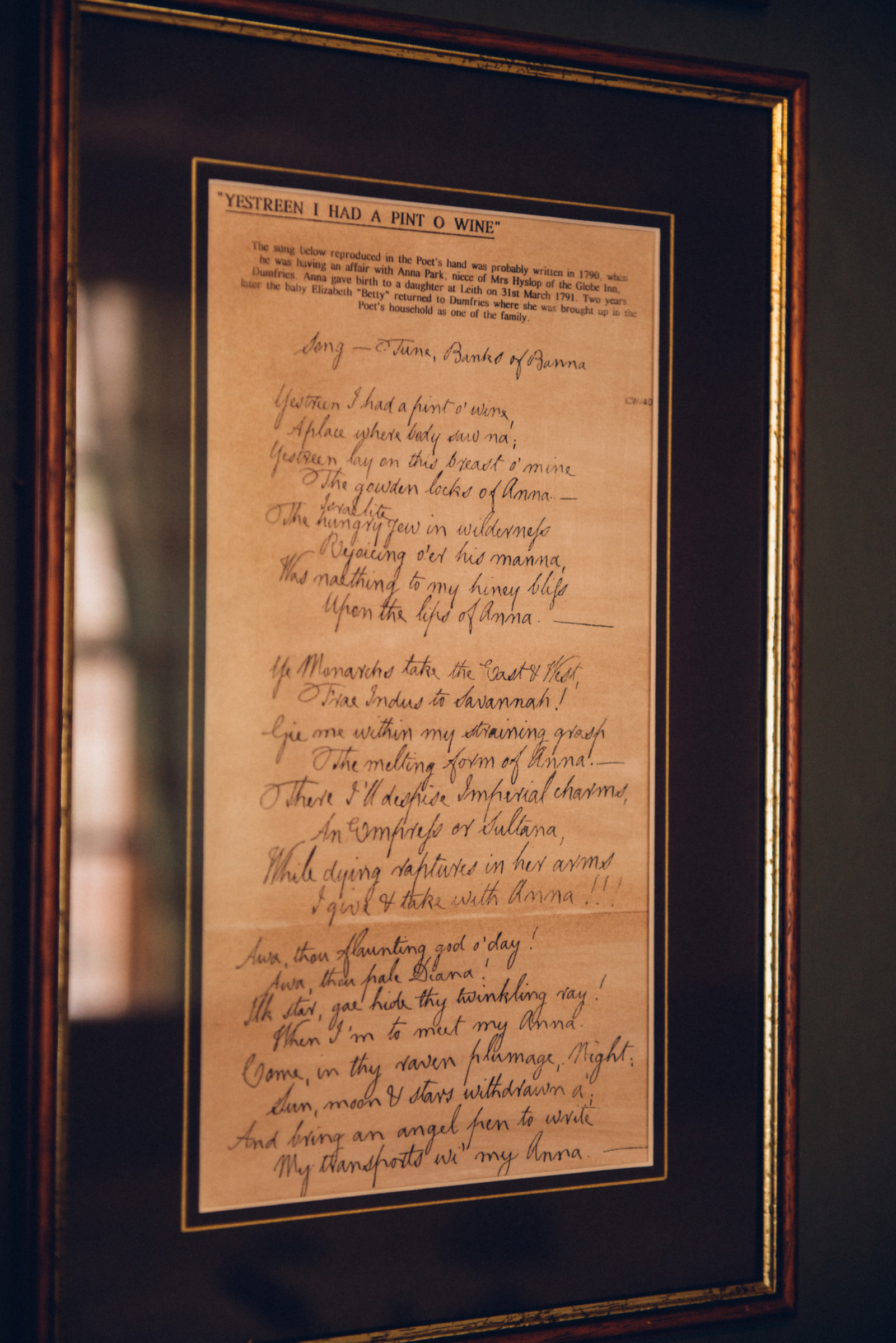
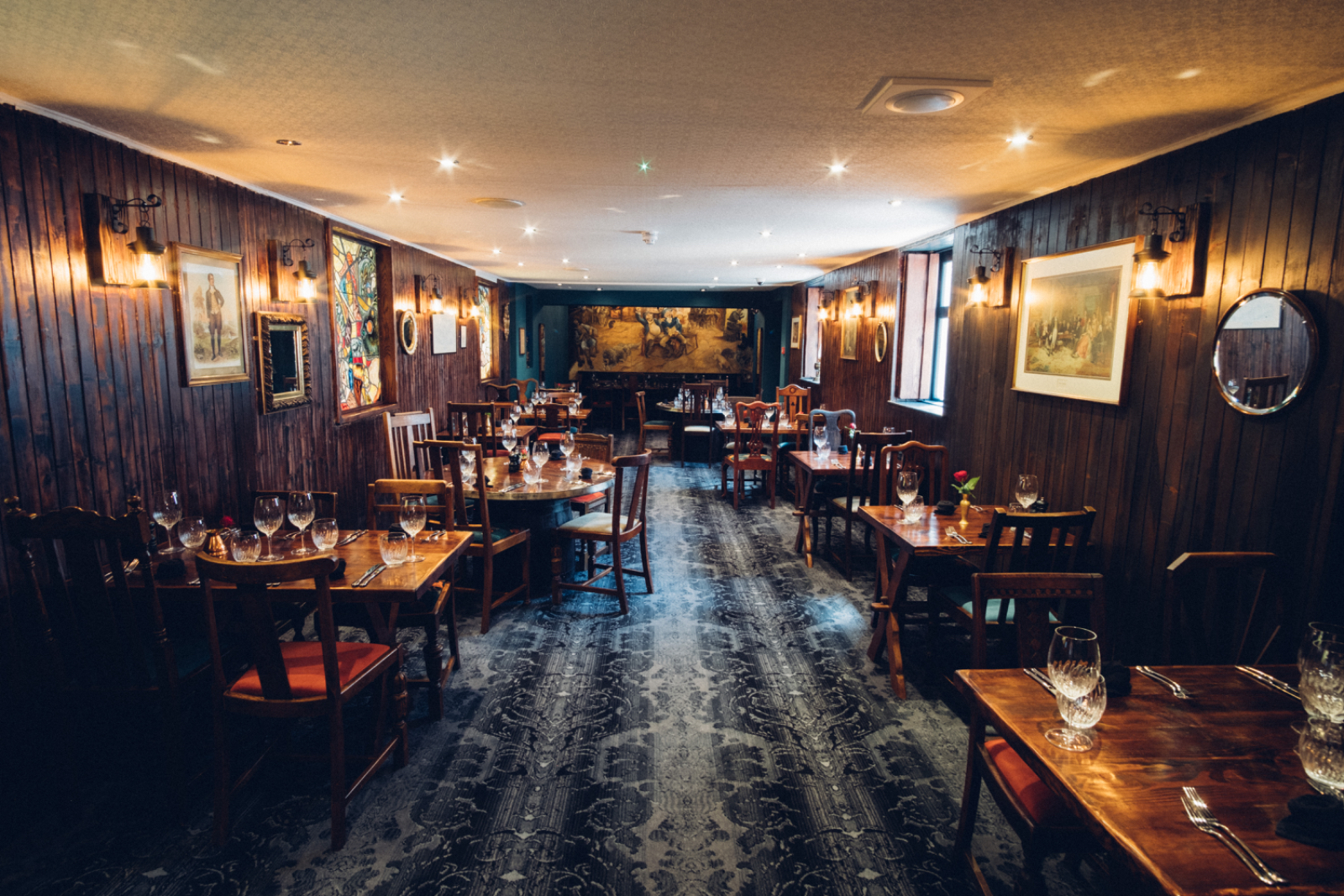
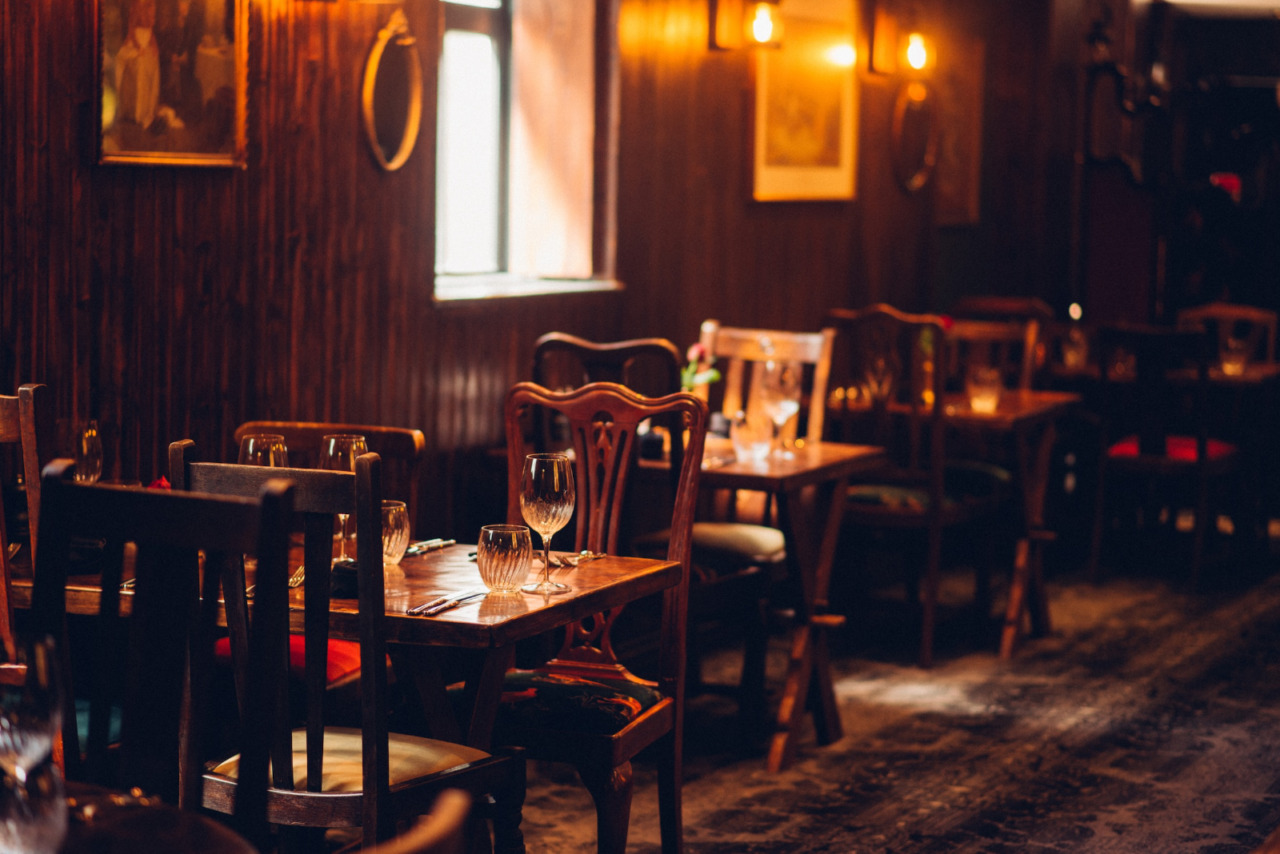
Inside, the restaurant, 1610, has retained a warm, old-world atmosphere: carpeted dining rooms, wood-panelled walls matching the smooth, bare tables, narrow staircases, architraves and a dimmed ambience that, though the lights are low, never leaves guests fumbling in the dark. And, obviously, handwritten documents by Robert Burns are exhibited here too. The instrumental music in the background is punctuated by unintrusive bubbling chatter filling the room. Given that even in late spring the temperature and the wind outside can still be biting, entering this nook feels restorative and comforting at any time of year.
The à la carte menu provides plenty of options to choose from, but it is the seven-course tasting menu that allows guests to enjoy a true journey of flavours, locally sourced and celebrating the variety of regional produce. This dining experience can be accompanied by a curated wine, or whisky and beer pairing. At the time of our visit, Jonathan Brett, head of cuisine, and head chef Fraser Cameron – a 2025 Roux Scholarship finalist and two-time Scottish Young Chef of the Year winner – are in the midst of the seasonal transition from winter dishes to spring- and summer-inspired culinary creations.
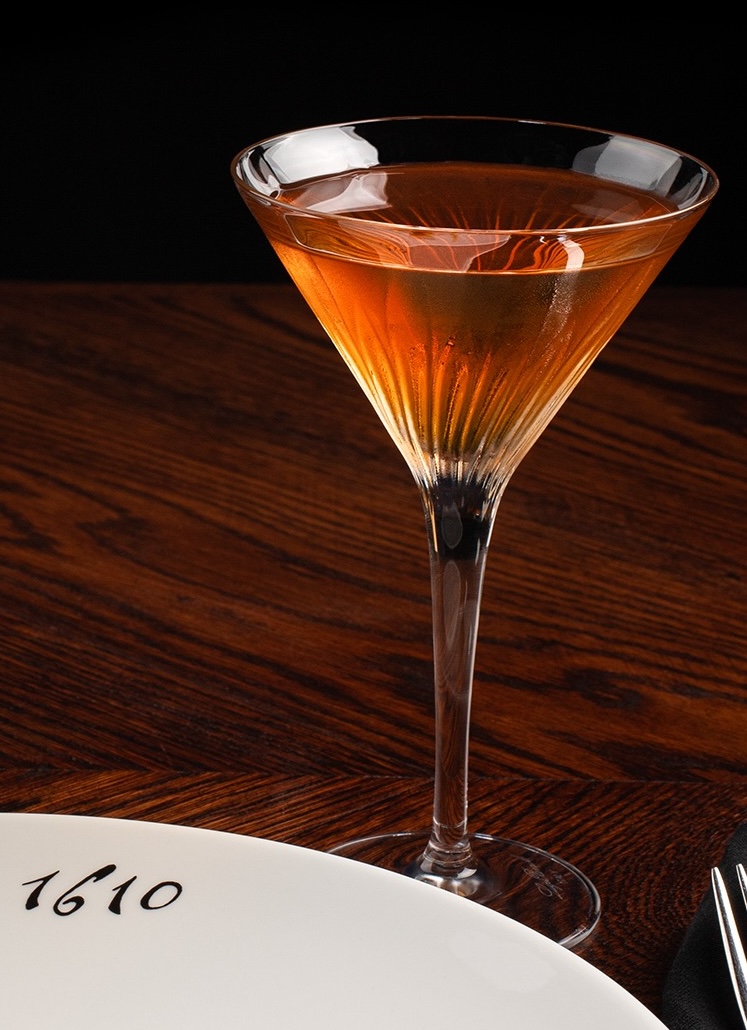
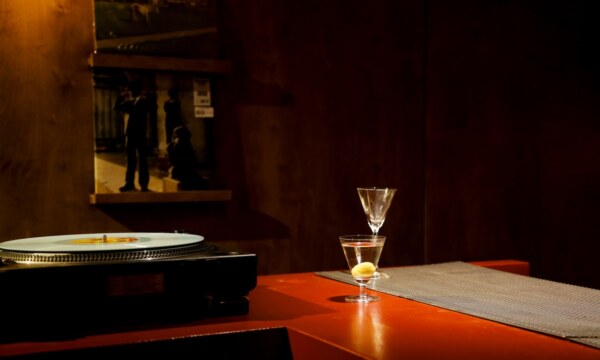
Dinner begins with a selection of canapés that change daily. Ours includes a bite-sized interpretation of fish and chips, followed by a Bread course, featuring two different types of small loaf, each with a soft and sturdy crumb. These are served alongside the amuse-bouche: a Tomato Gazpacho with horseradish foam, combining a slightly pungent taste with an earthier palette. For drinks, we opt for the Robert Burns cocktail, a robust concoction made with Annandale Man O’ Words ex-bourbon, sweet vermouth and Drambuie, served in a Martini glass to showcase its clear hue that packs a punch with every sip.
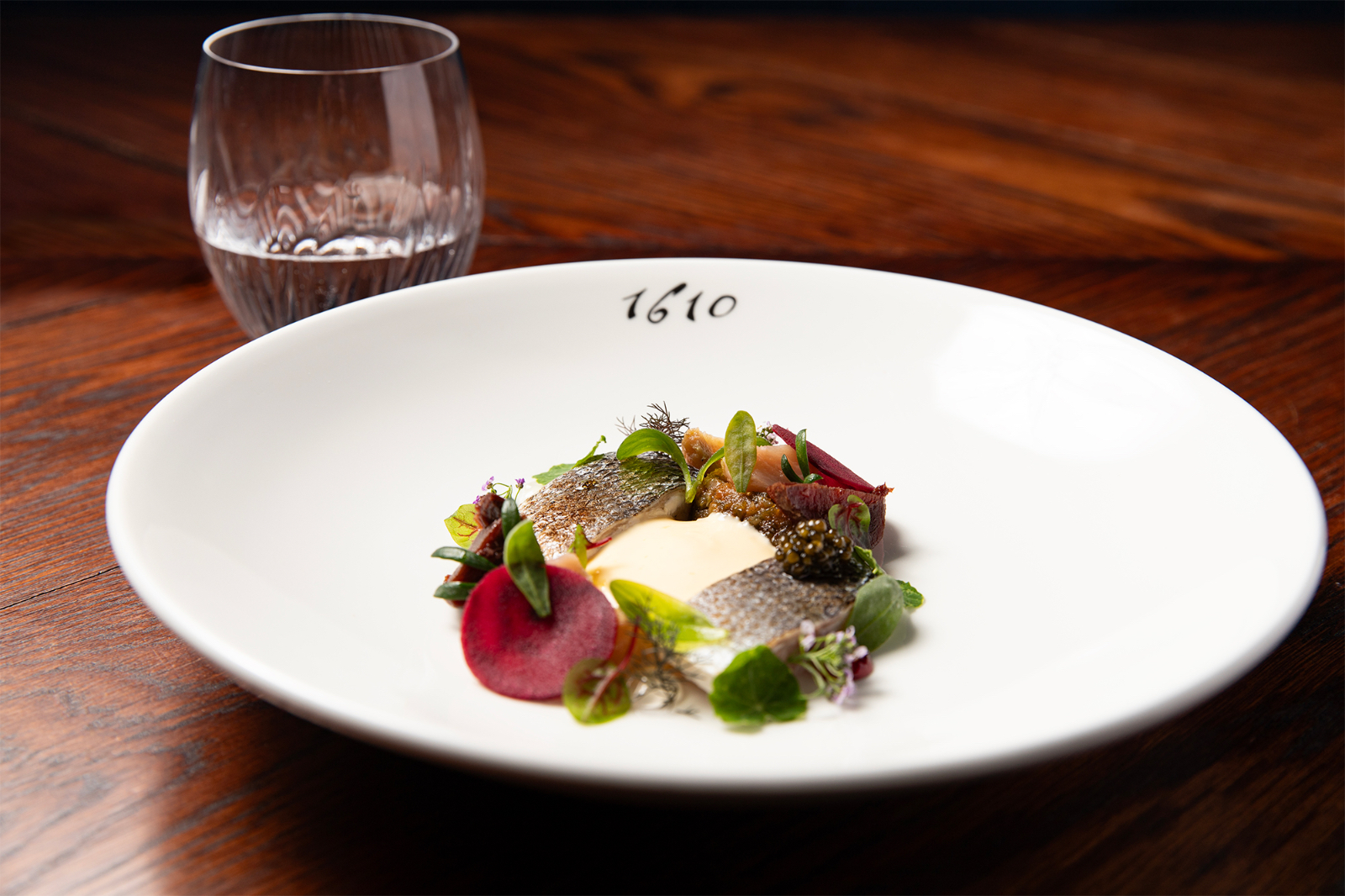
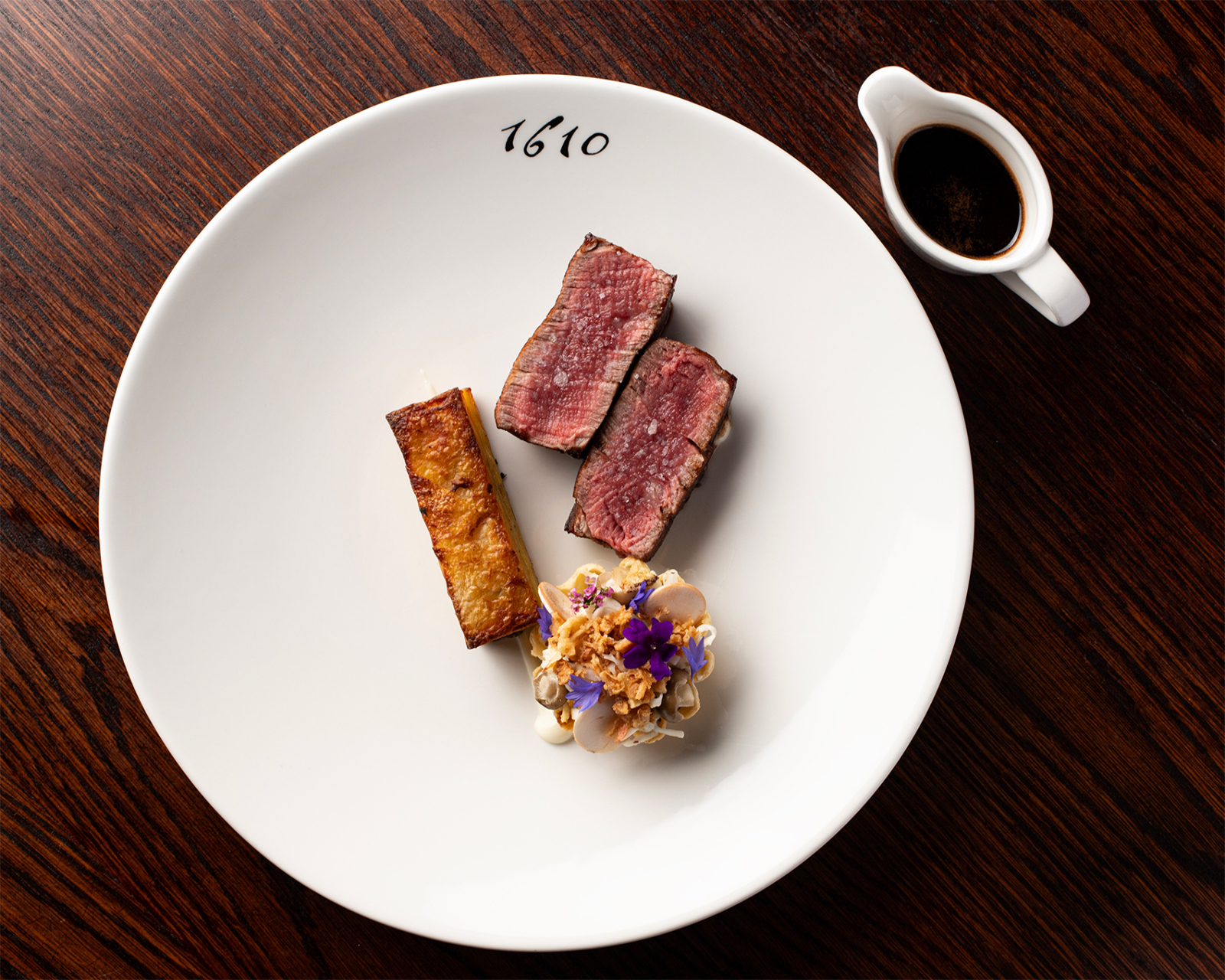
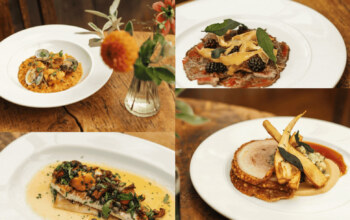
The Sea Bass is presented as a wave of colour: cured fish and three types of beetroot surround a circle of hollandaise sauce – delicate and luscious at the same time. The presentation of the Chicken Terrine defies expectations: a slender strip of terrine lies next to an asparagus spear (the first of the season) embellished with celery. A Mushroom Cappuccino is accompanied by a Parmesan sablé, lending rich depth to an otherwise light dish. After that, the Salmon arrives, its orange flesh concealing pickled radish, sitting beside a seaweed tartare with Tabasco and trout caviar. The preparation is finished at the table with a sauce of fish stock, lemon verbena and white wine. Getting all the elements together in one bite proves challenging, but once in the mouth, the combination sings with bright citrus notes. Before heading for dessert, there is a final savoury course: succulent Galloway Beef served with a potato hash brown, and completed with a moreish 36-hour reduction of port, red wine and sherry.
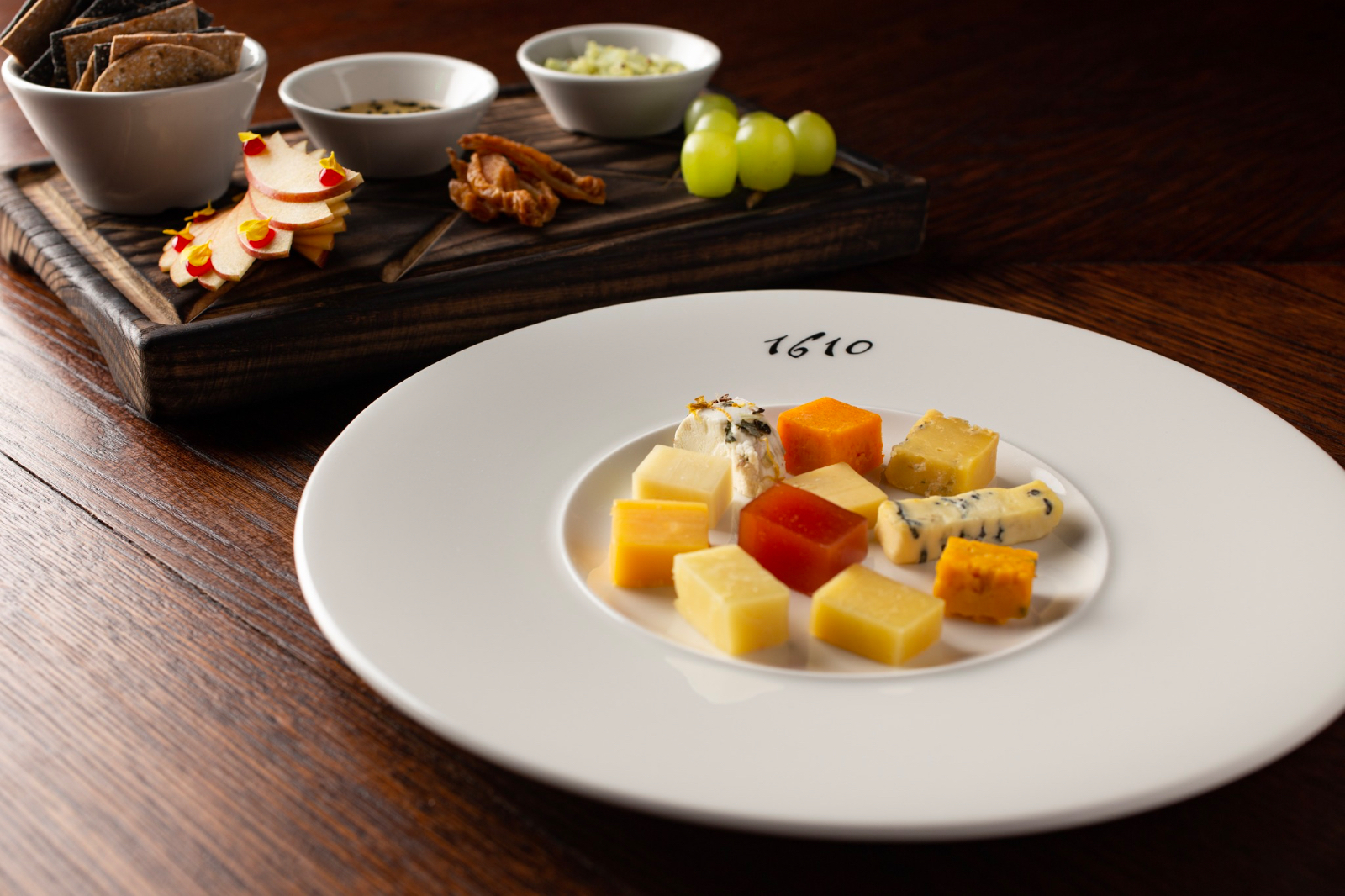
The sweet finale bears the name Hedgehog, but we are reassured no animal has been harmed in its making. The spiky pudding has a chocolate base and pointed dollops of hazelnut cream, matched with a quenelle of yuzu sorbet. It is pure indulgence. There is also a playful touch in the Cheese Board, which features cheeses of varying textures and colours, mapped out with cards for each that include short paragraphs detailing their origins and flavour profiles – entertaining and thoroughly foodie-approved. The assortment includes a Welsh Red Storm, a Swiss Tête de Moine, a Scottish Truffler and an English Godminster Oak Smoked. Throughout the evening, service is expertly orchestrated by restaurant manager Chitra Chaudhary.
Returning to the whisky theme, the restaurant’s welcome desk stands beside the bar, where 129 bottles of whisky are neatly lined up on the shelves. They count over 250 varieties stored on site – one of the UK’s largest collections of its kind. The Globe Inn boasts an exceptional collection of Scotch and world single malts, or usquabae in Scots. The extensive range is rooted in the inn’s longstanding tradition and has been diligently continued since its acquisition by the nearby Annandale Distillery in 2018. The distillery itself underwent a complete rebirth in 2014, thanks to the commitment and investment of Professor David Thomson and Teresa Church, who embarked on a seven-year restoration project.
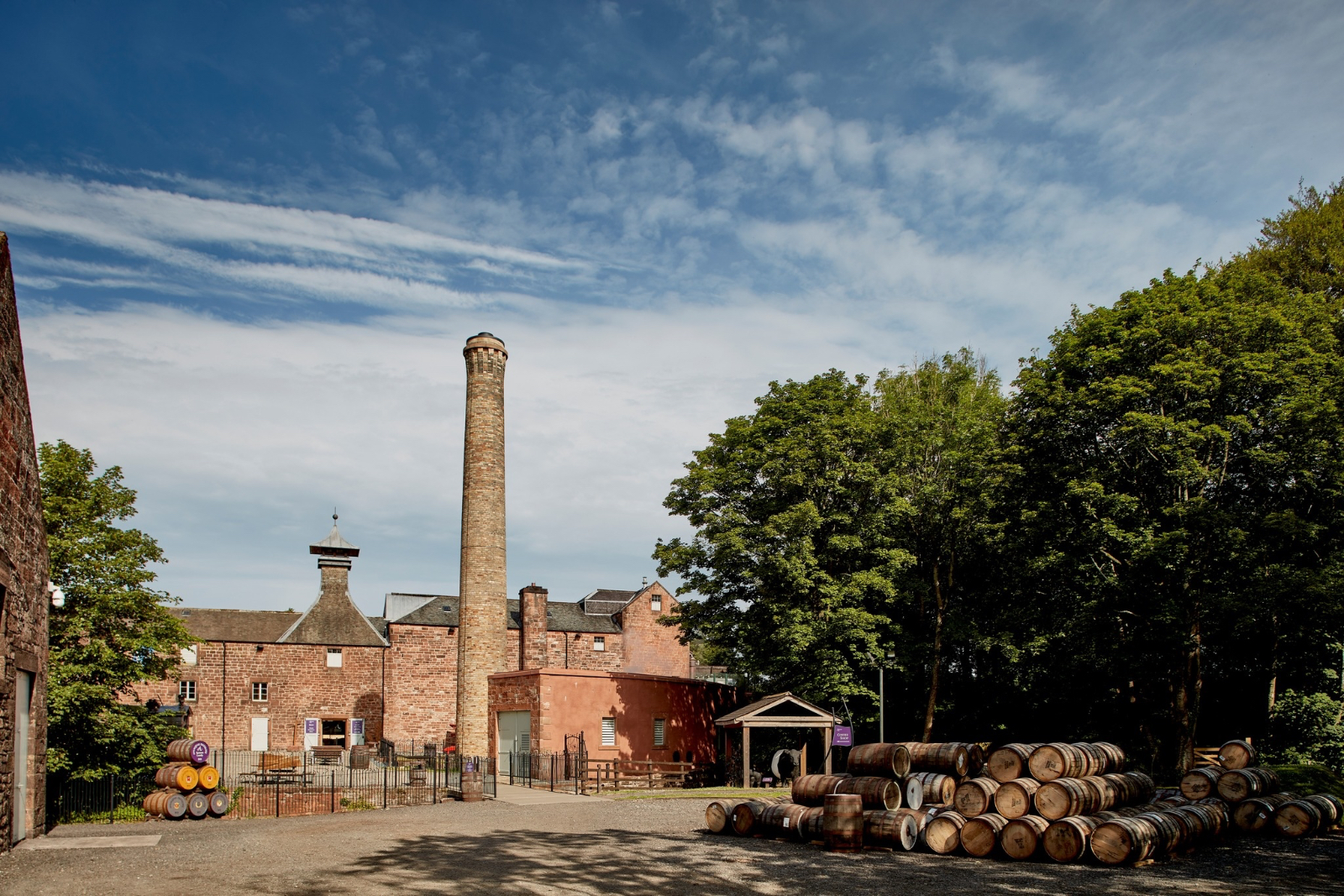
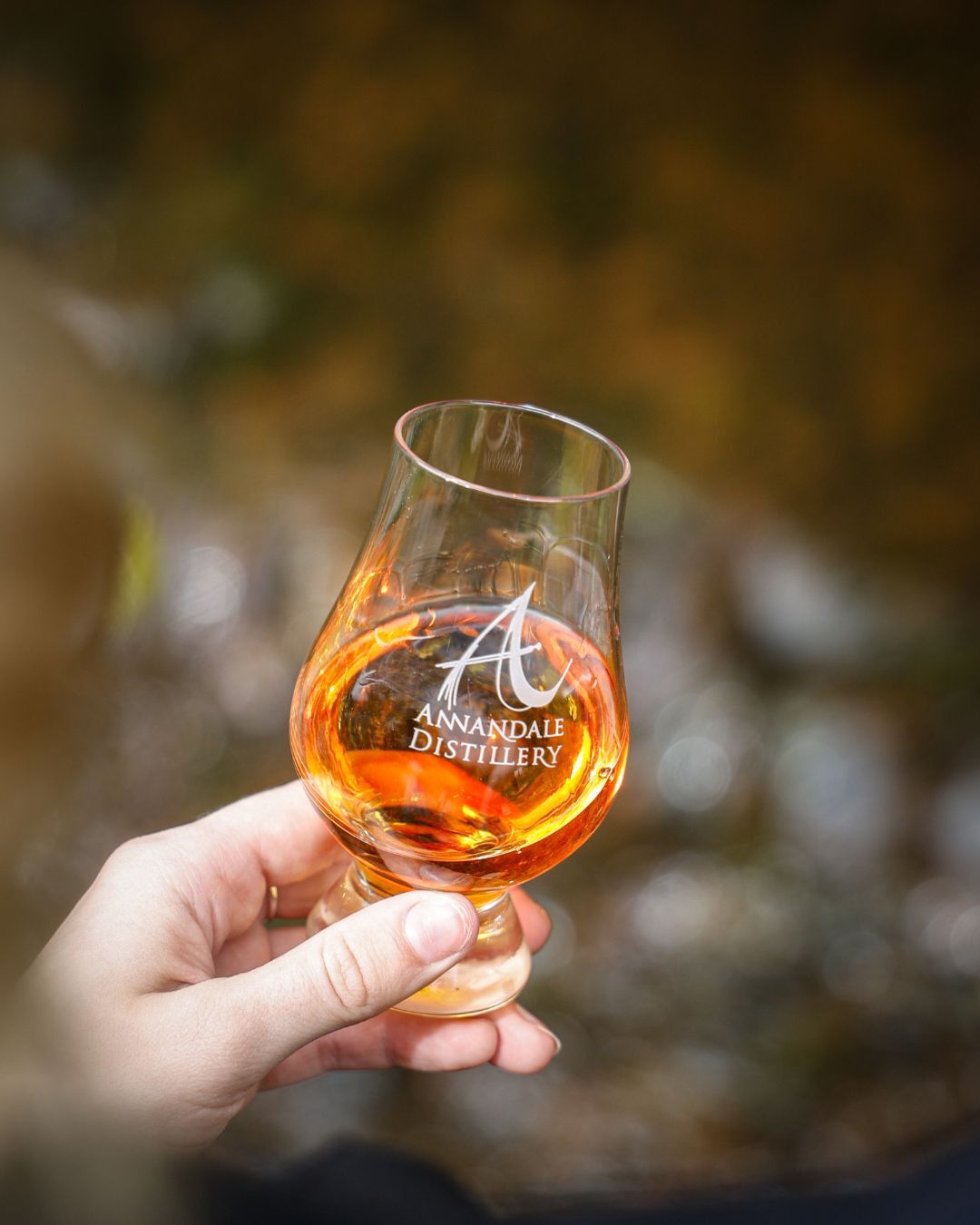
Founded in 1836 in Annan, around 17 miles from Dumfries, Annandale became renowned for its peated malt whisky, attracting the attention of Johnnie Walker & Sons, who acquired the establishment in 1893. With the outbreak of the First World War, production came to a halt, and years of dereliction followed as farming gradually took over the land. The keen interest of Teresa and David, coupled with their genuine passion for promoting the local area, has enabled the revival of a destination steeped in both historical and distilling significance. Nowadays, it is a fully active independent centre, operating with its uncommon and iconic twin copper pot stills and open to the public for group tours, whose participants often round things off with a stop at the Maltings Café. The signature whiskies are the Man O’ Sword, a tribute to Robert Bruce (seventh Lord of Annandale) that’s peated and mellow with touches of vanilla, and the Man O’ Words, named in homage to the Scottish Bard, that’s smooth and unpeated, bearing notes of apple and peach.
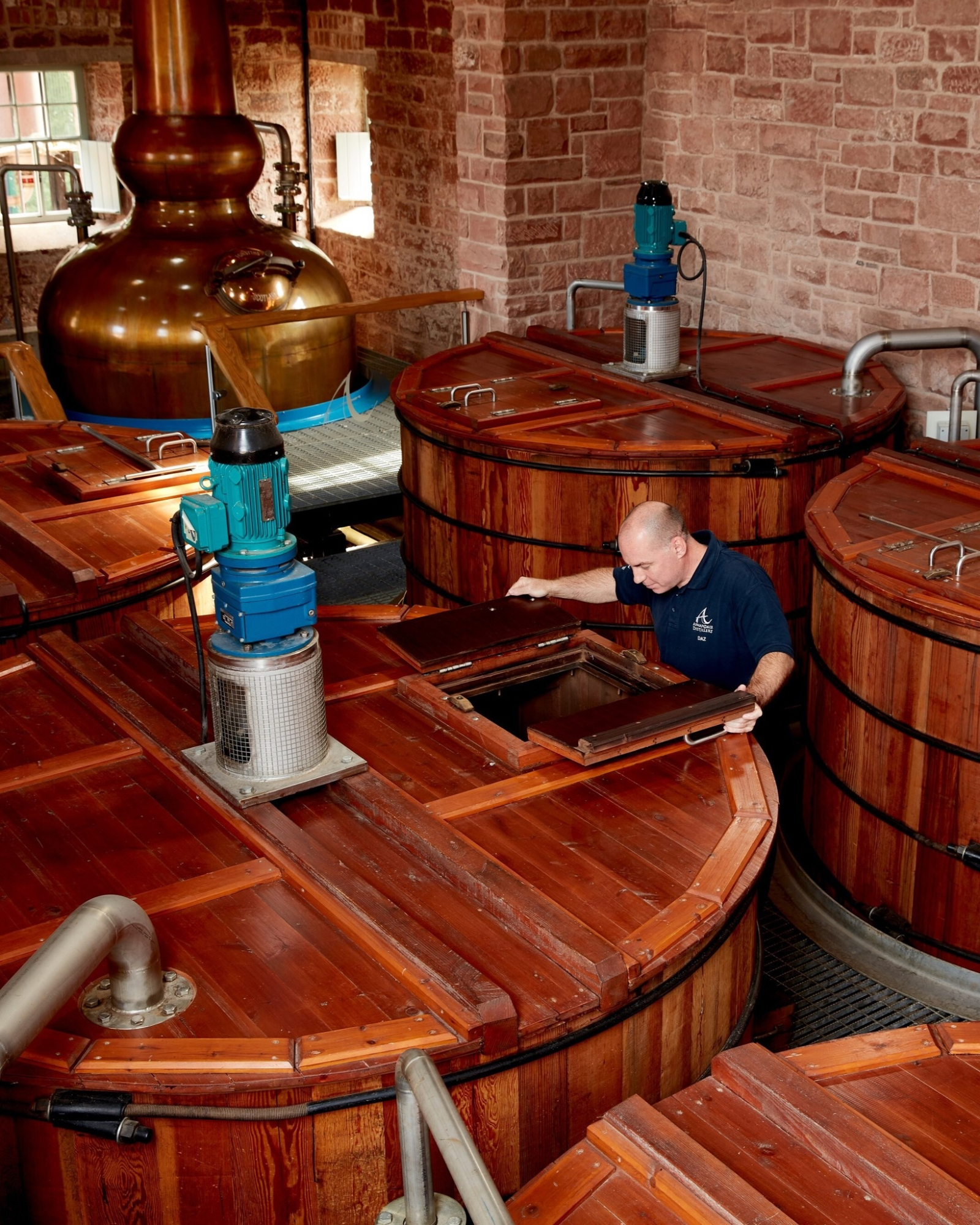
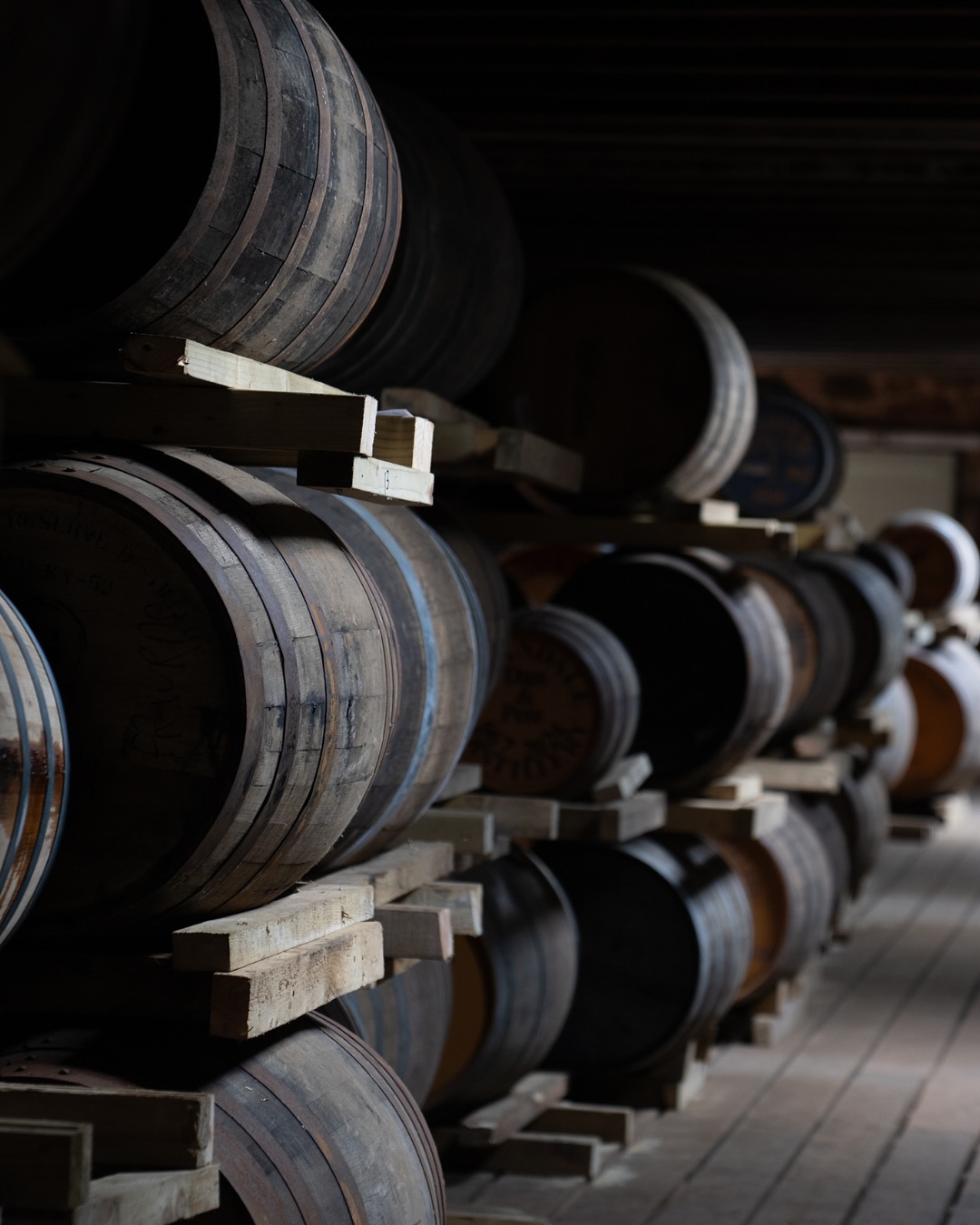
Yet Annandale is also looking firmly ahead, having recently announced the commissioning of a decarbonised heating project in collaboration with Exergy3 that would make the distillery one of the first in the world to produce low-carbon whisky. With the project already underway, the future certainly looks bright.
1610 at The Globe Inn offers more than dining alone: it is an immersion in whisky, food and history, all naturally intertwined.
Cristiana Ferrauti
To book a table at 1610 at The Globe Inn, 56 High Street, Dumfries DG1 2JA, call 01387 323 010 or visit their website here.







Facebook
Twitter
Instagram
YouTube
RSS