
The 90s: Art and Fashion at Tate Britain
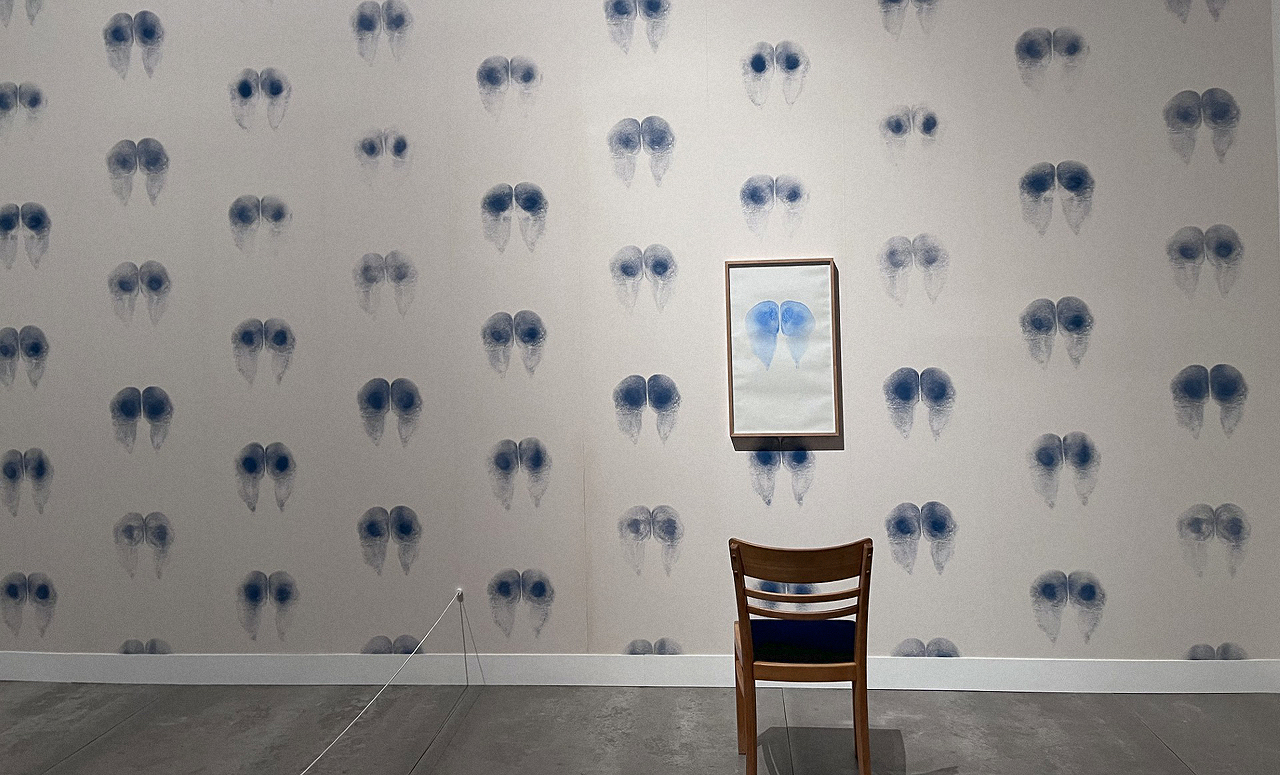
Tate Britain’s new exhibition celebrating 90s art and fashion is clinical and demure compared to the colourful chaos this time period once exuded. On the journey into the six spaces, guests will see works and faces of familiar icons: Alexander McQueen, Stella McCartney, Kate Moss and Steve McQueen, to name but a few. But the overall synergy of these items and their execution does not fully capture the eruption of authenticity and the strive for something new and different that the 90s is known for. The descriptions and introductions to each room do the heavy lifting in conveying the essence of what visitors are supposed to feel upon encountering these items.
The 90s: Art and Fashion is split into six sections, with the first room, titled “Be Real”, celebrating the candid and raw. It emphasises how the editorial approach became more interested in the everyday and domestic, rather than the polished look of perfection. These artworks and photographs are perched on overwhelmingly white walls, creating a clean uniformity that undermines the concept of sincerity and reality. Still, there’s one striking image in this series of photographs, videos and paintings: it’s that of 19-year-old Moss taken by Corinne Day after Moss’s real-life argument with her then-boyfriend. There’s a polarising dialogue to be had regarding this piece – about exploitation and the rise of the “Heroin Chic” look. This image perfectly encapsulates what unrefined beauty and art looks like, and how aspiration for this particular aesthetic can have damaging effects on individuals and society as a whole.
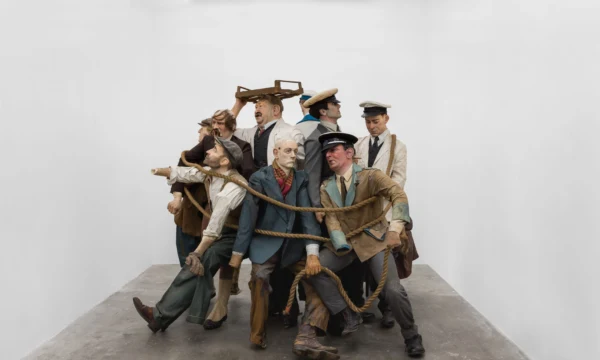
The other sections include themes synonymous with the 90s. There’s a focus on nightlife and rave culture, and the use of history to inspire modern art. There’s even one on body horror; how it’s used as a shock factor in art, but also as a response to the HIV/AIDS crisis. In the crevices of these main themes are discussions of racism, LGBTQ+ contributions to the 90s culture, and the objectification of women. A memorable photograph that highlights the latter is Sarah Lucas’s Chicken Knickers, which depicts a woman whose nether region is covered with raw chicken, signifying the perception of women’s bodies as meat. “Less Excess” is one of the more intriguing subjects, trying to showcase the same bold statements of realism and the intersection of art and politics, with less provocation and flamboyance. This is one room where the whitewashed wall works with the message being told: that simplicity can be just as loud and profound. Cerith Wyn Evans’s concave mirror is the highlight of this title; its distorted, upside-down output evokes questions of body and form, further shattering the perception of perfection.
While the curated pieces of art, video, photographs and editorial pages visually capture the look of the 90s, the way they’re presented ultimately dulls the sharp edges of rebellion and experimentation. There are some evocative works, but they do not fully save The 90s: Art and Fashion from being an underwhelming exploration of a seismically important time period in art and fashion.
Mae Trumata
Photos: Courtesy of Tate Britain
The 90s: Art and Fashion is at Tate Britain from 8th October until 14th February 2027. For further information or to book, visit the exhibition’s website here.






Facebook
Twitter
Instagram
YouTube
RSS