
Taylor Wessing Photographic Portrait Prize at National Portrait Gallery


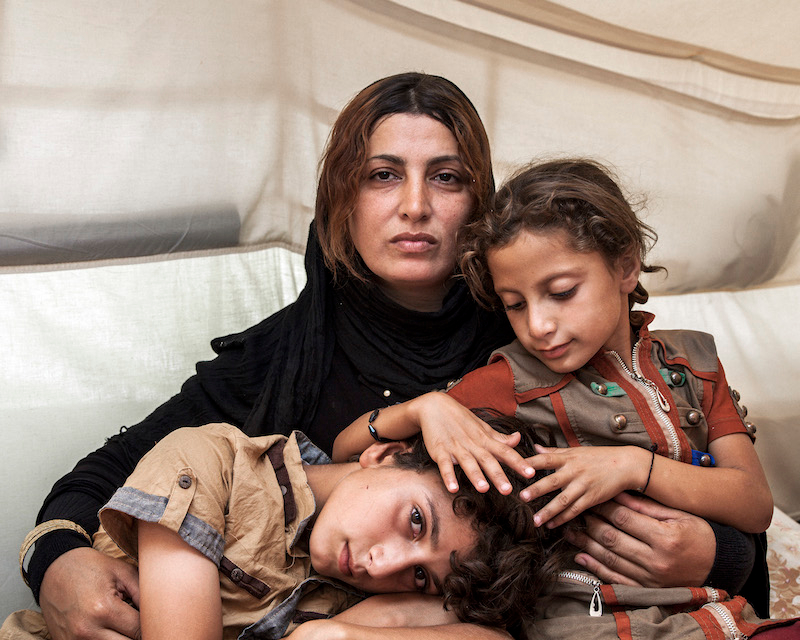
Selecting the pictures that best represent contemporary photographic portraiture is the arduous task that the judges of the Taylor Wessing Portrait Prize undertake every year. Out of almost 5,000 entries across 70 countries, a limited selection of works is chosen for the final exhibition, which brings together shots of ordinary moments as well as striking depictions of people undergoing hardships. In addition to the main competition there is now a section highlighting recent work by an established photographer. This new feature, named In Focus, is inaugurated by the works of Pieter Hugo, who focuses on documenting marginalised South African communities.
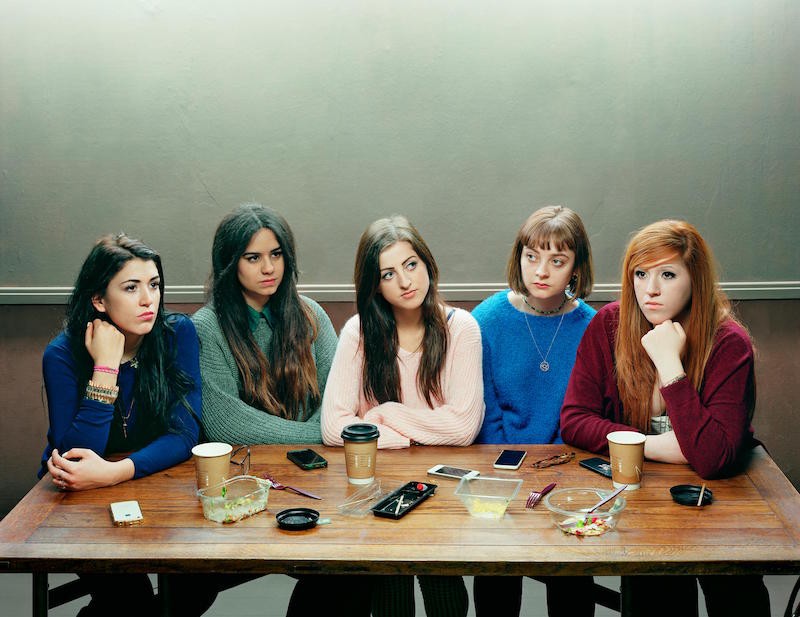
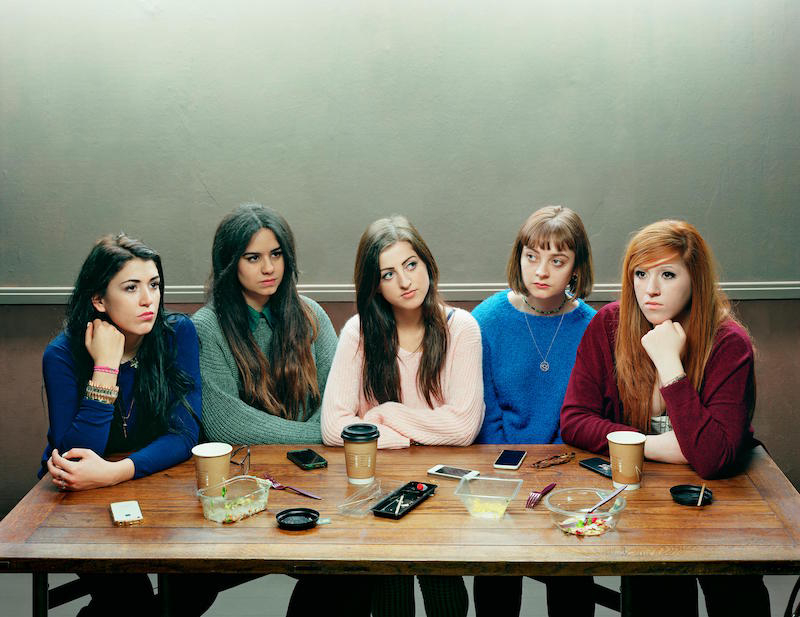
The overall winner this year is David Stewart’s Five Girls, featuring the photographer’s daughter and four of her friends sitting at a table after graduating from university. All sporting a similar style, they stare into space as their mobile phones, take-away coffees and empty salad boxes lie in front of them. While the picture gains some meaning when placed alongside its companion piece – a photograph of the five girls taken years earlier just before their GCSE exams – it appears banal and devoid of depth by itself. Juxtaposed against the eloquent portraits of survivors, the expressive faces of children or the touching images of immigrants, Stewart’s photograph expresses little more than an empty reality constituted of fast food, dependence to technology and minimal interaction between people.
As portraiture is intimate by its very nature, the photographer is responsible for creating a relationship between subject and viewer, and the success of the work depends on this three-way dynamic. When the input is balanced and each party contributes something of him/herself, when the subject speaks, when the photographer shines the light on the message and amplifies it, and when the viewer scrutinises with an open mind, the portrait is no longer a mere visual element but a narrative that speaks on a deeper level. Some of the works displayed at the exhibition achieve just that, and the beauty of the experience is that of connecting with the individuals depicted and feeling sympathetic with their personal story.
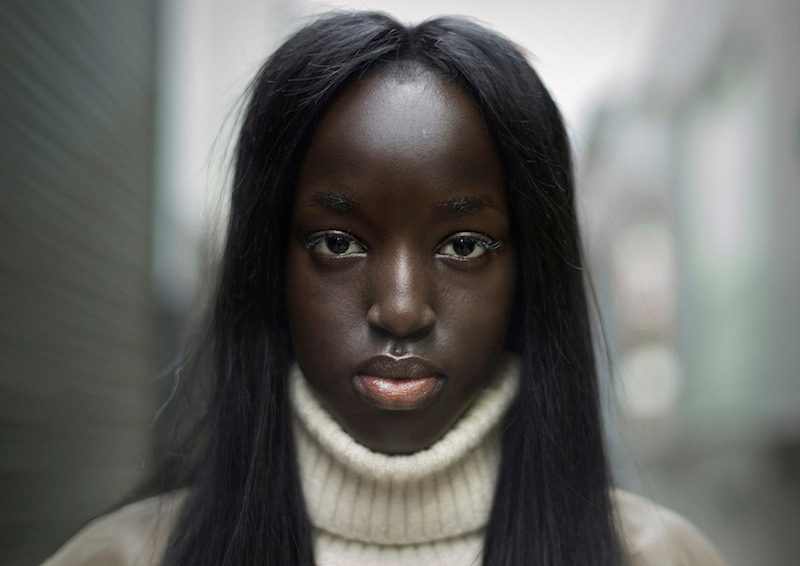
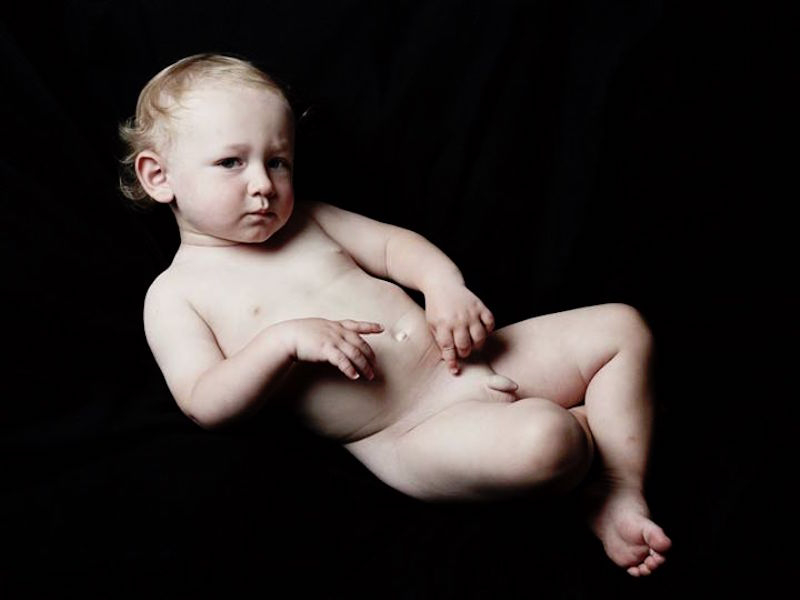
The project is ambitious in that it places all the pictures under one general heading, notwithstanding the extremely broad range of interpretations. Apart from the fact that all the works exhibited are portraits, the subjects, settings and messages conveyed are so diverse in nature that the exhibition seems a little disjointed. The highlights are a number of commendable pieces relating stories of poverty, and some moving photographs of intimate moments. However, the shift between these works and more ordinary portraits (celebrity pictures feel particularly out of place) highlights the fact that the spectrum is perhaps too wide, and that a narrower focus would benefit the overall impact of the exhibition.
Mersa Auda
Taylor Wessing Photographic Portrait Prize is at the National Portrait Gallery from 21st November 2015 until 21st February 2016, for further information visit here.












Facebook
Twitter
Instagram
YouTube
RSS