
Guilty Rebel: Nicholas Rooney’s Shakespearean meditation merges Visconti’s splendour with Béla Tarr’s shadows

 24 October 2025
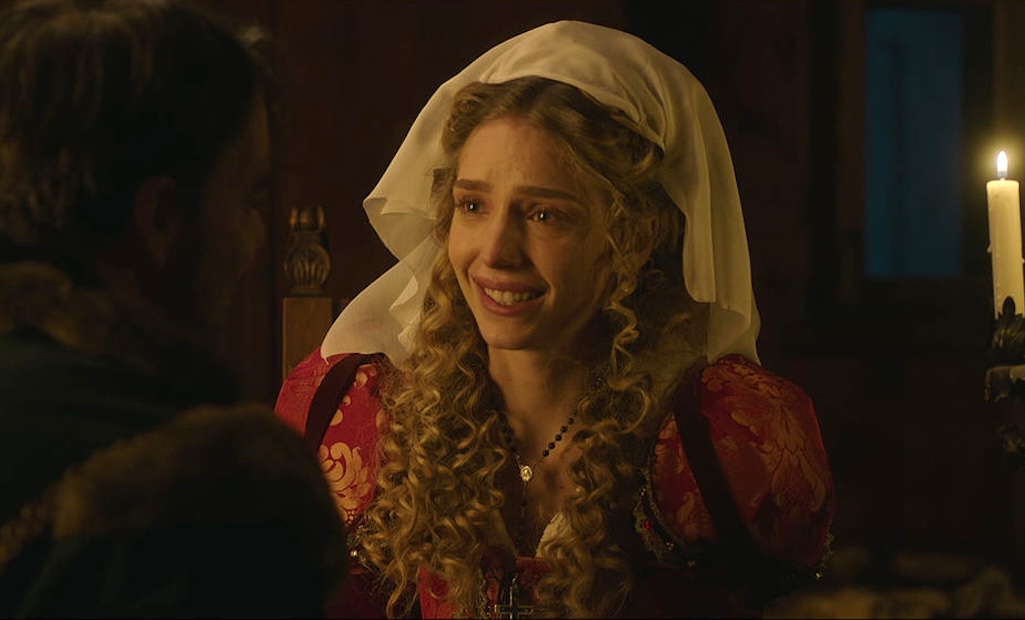
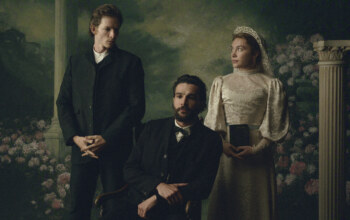
A cry of poetry echoes through stone corridors, candlelight trembles against frozen walls, and Richard Burton’s voice resounds like prophecy. Nicholas Rooney’s Guilty Rebel opens not as mere adaptation, but as a ritual staged inside a 13th-century Italian castle, surrounded by mountains, forests and snow. Shot in winter, the setting becomes more than backdrop: its age and severity fuse with the film’s spirit, enclosing the characters in a landscape of silence and inevitability. The décor recalls Visconti’s rich textures, while the patient, meditative camera evokes the haunting stillness of Béla Tarr.
The Voice of Shakespeare
Burton’s narration, drawn from The Rape of Lucrece, anchors the film with a voice at once solemn and eternal. Freed from dialogue, the actors move like figures in a sacred drama, embodying Shakespeare’s poem through gesture, stillness and silence. The result is less theatrical retelling than mystical invocation, where word and image overlap like chant and icon.
Performances and Allegory
Federica Lucaferri’s Lucrece radiates delicate beauty, her restraint embodying both fragility and dignity under siege. Giovanni Morassutti’s Tarquin appears not as a simple villain but as a man undone by impulse and weakness, with his surrender giving the tragedy its unsettling force. Around them, Gipeto as Collatine, Walter Peraro as the Angel and Claudio Pizzato as the Demon lift the work into allegory, suggesting a morality play in which human choices unfold under spiritual shadow.
Music and Atmosphere
Monteverdi’s music frames the images with devotional gravity. Sparse yet resonant, it binds narration, performance, and setting into a single rhythm of contemplation. The cinematography embraces long, patient takes and static tableaux: austerity suffused with splendour. The snow-covered mountains beyond the castle echo the film’s themes of silence, endurance and spiritual burden.
Cinema as Reflection
Guilty Rebel is demanding, even severe, but it lingers like liturgy. By stripping Shakespeare’s narrative to its essence, Rooney reshapes it into a mystical meditation on power, virtue, and the human cost of betrayal. Combining Visconti’s painterly richness with Tarr’s ascetic gaze, the film treats cinema not as spectacle but as reflection — a ritual of image, voice and spirit.
Andi Stark
















Facebook
Twitter
Instagram
YouTube
RSS