
The EY Exhibition: The World Goes Pop at Tate Modern


On walking into the first room of The World Goes Pop, anyone from a sulky teenager to an art historian will feel an immediate sense of engagement with the work around them. This is the secret of pop art: it is an artistic representation of the modern world that uses that very world’s own props – brands, cartoons, adverts and posters – as its medium. Hence, almost anyone can relate to it, and The World Goes Pop capitalises on this brilliantly.
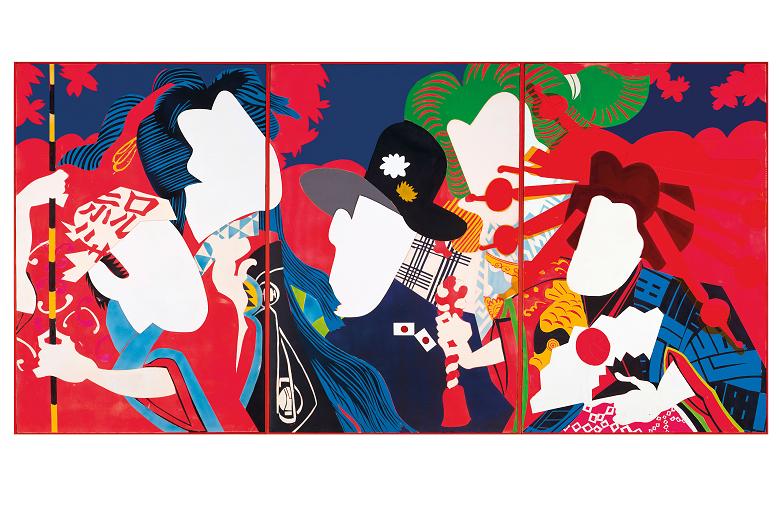
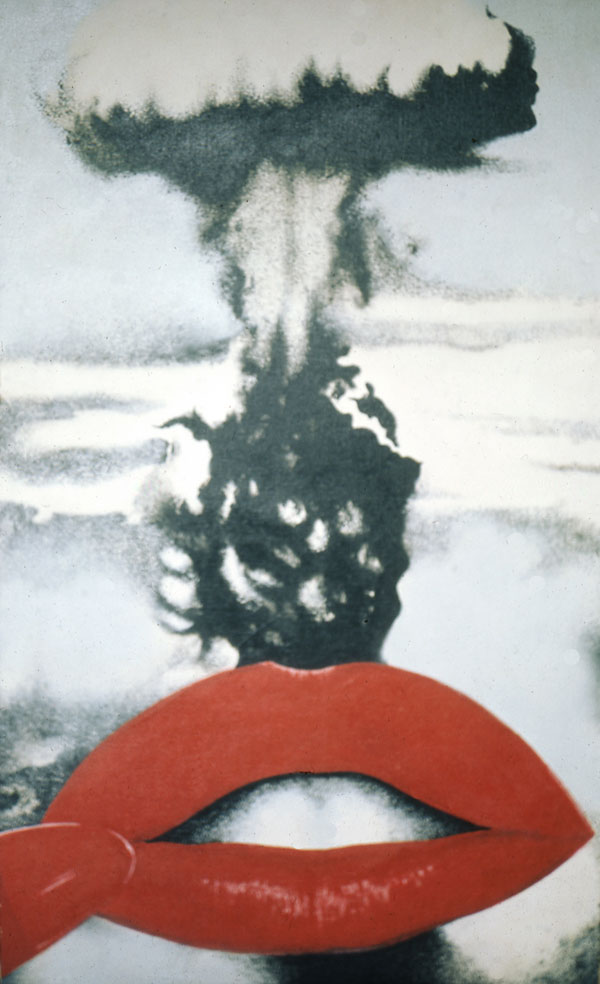
In the introduction room, a brief but informative plaque presents the premise of the exhibition: “The unifying trait is the reworking of familiar visual tropes from everyday life into images of subversion or overt protest”. This is immediately noticeable in the striking cartoon shapes of Shinohara’s Doll Festival, with four traditional Japanese figures surrounding a Western-dressed man, the faceless bodies depicting the Americanisation of Japanese society. This immediately recognisable theme is transported through various forms, perhaps most historically familiar in the shape of objection to US involvement in the Vietnam War: Joan Rabascall’s Atomic Kiss is both a warning and a protest against the genuine possibility of full nuclear war that dominated the tone of global relations throughout the late 60s and early 70s.
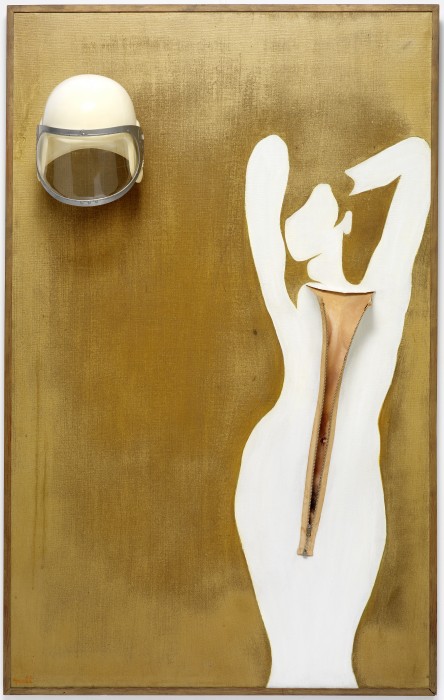
But it is not only its satisfying thematic continuity that makes this exhibition enjoyable, but the refreshingly interactive feel of the various rooms. Moving suddenly from the un-zippable erotic figure in Evelyne Axell’s Valentine to the haunting crowings of Keiichi Tanaami’s Crayon Angel video, each installation offers a different channel of art through which the artist’s often controversial views can be exhibited. This sense of constant collaboration is perhaps strongest when facing Ruth Francken’s Man Chair – it’s impossible not to want to plant oneself onto such an inviting-looking seat.
For many, though, the most arresting part of The World Goes Pop will be the liberating effect of the numerous eroticisations of the female body. The “Pop Bodies” room smashes sexual taboo to pieces, with the bold colours and brave shapes of Mari Chordà’s Grand Vagina just one of a number of works that attack the modern idealisation of the female figure.
Tate Modern is not usually one to disappoint, and it has succeeded yet again in delivering an accessible but revealing exhibition. Just prepare to be suitably shocked.
TJ Jordan
The EY Exhibition: The World Goes Pop is at Tate Modern from 17th September 2015 until 24th January 2016, for further information visit here.















Facebook
Twitter
Instagram
YouTube
RSS