
Delacroix and the Rise of Modernism at the National Gallery
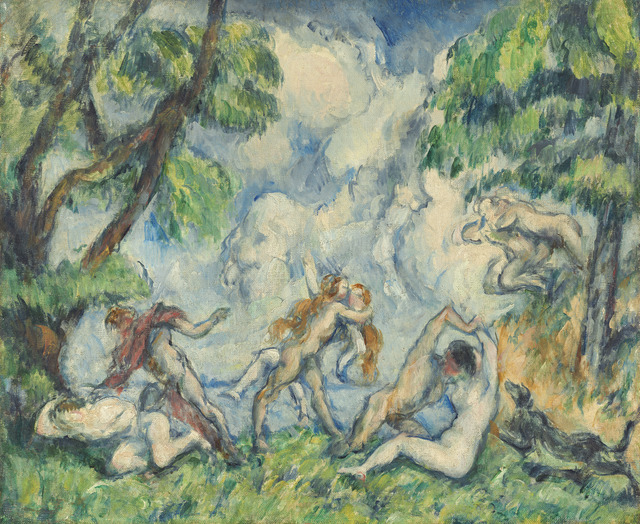


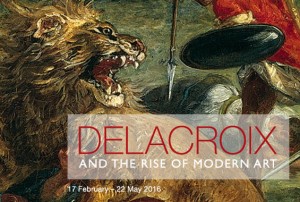
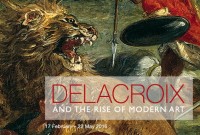
Now over 50 years since the last major showing in Britain of work by the French painter Eugène Delacroix (1798-1863), the National Gallery host the new exhibition Delacroix and the Rise of Modernism. As the title suggests, though he remains a little-known figure to British audiences, this is a man whose creations have had a decisive and significant impact to the shape of 20th century art. Bringing together for the first time the work of Delacroix and the masters whom he influenced, the exhibition aims to extrapolate on Cézanne’s claim that “we all paint in Delacroix’s language,” seeking to argue and present the evidence for Delacroix being one modern art’s most formative artists.
Split between six rooms, each differentiated by subject matter, ranging from the artist’s early influences to his representations of North Africa, still lifes to religious paintings, and landscapes to his distinct use of colour, each room draws direct correlations between Delacroix and his followers and the overt parallels between form, content and style. Viewing, for instance, Delacroix’s Bathers (1984) next to Cézanne’s The Battle of Love (1880) makes the case that the progression from one generation to the next was hardly indiscriminate, but drawn directly from the manner Delacroix imagines his scenes and captures his forms. Particularly striking, though, are the minor details, the ability to see up-close how his approach to brush strokes surreptitiously led the way to the comparative extravagances of Van Gogh and Matisse, both of whom are included in the exhibition.
What becomes most prominent is the feeling of Delacroix being an artist whose work exists in a transitional phase, creating new ways that form and colour could be applied that created an environment where his successors were able to push forward and eventually break away from the previous generation of Romantic painting. The argument the exhibition makes for the influence of Delacroix is highly convincing and impressive; articulating the connection between his work and early 20th century painting through direct parallels makes this both an intellectually and aesthetically engaging display. For anyone passionate about the styles and movements represented here, this is not to be missed.
Thomas Unsted
Delacroix and the Rise of Modernism is at the National Gallery from 17th February until 22nd May 2016, for further information visit here.














Facebook
Twitter
Instagram
YouTube
RSS