
How restaurants use music to shape the dining experience
 3 September 2026
Walk into two restaurants serving equally good food and they can still feel completely different.
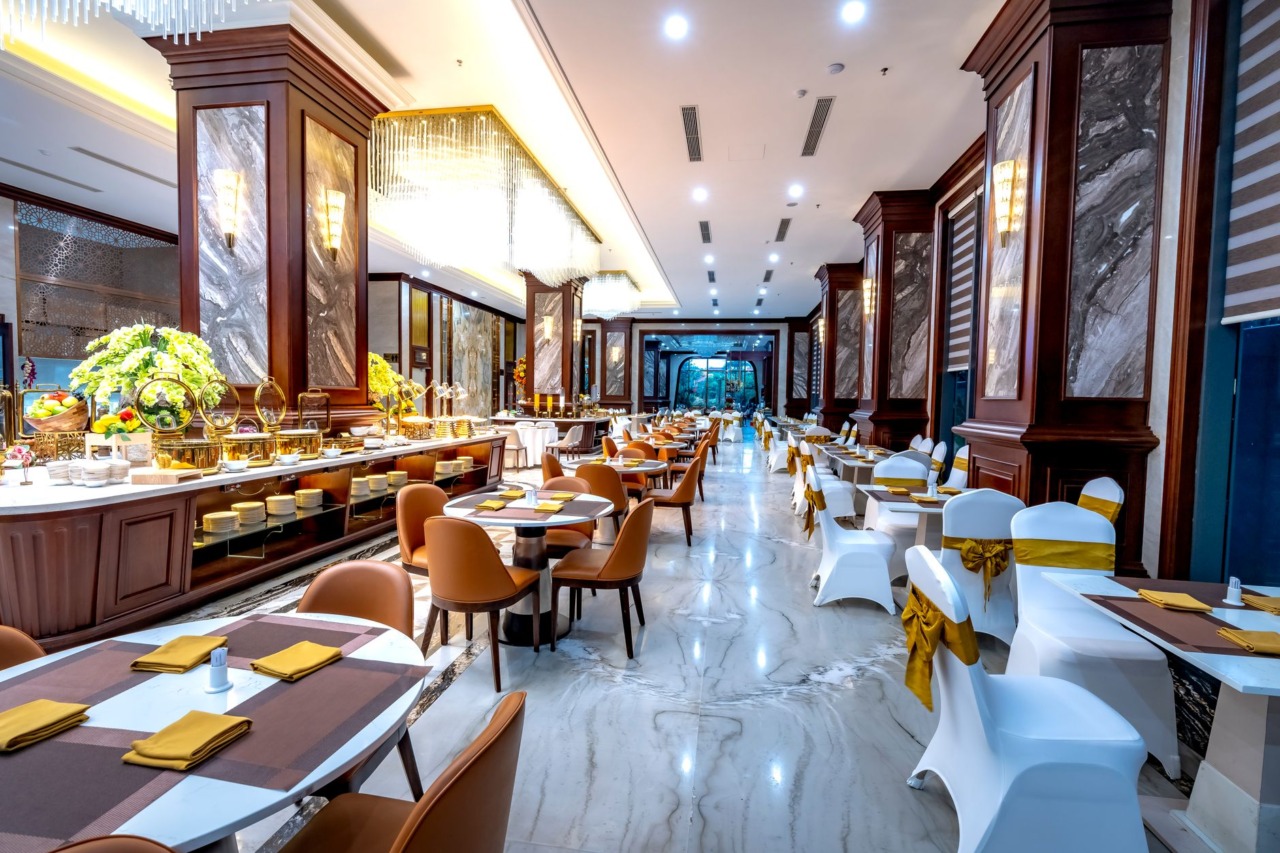
One might be bright, fast-moving and lively, with an upbeat soundtrack that suits the pace of the room. Another may be quieter and more intimate, with softer music that gives conversation more space. Before the first course arrives, diners are already interpreting the setting.
That is why music matters in restaurants. It does not work in isolation, but alongside lighting, design, service and acoustics to influence how a dining room feels.
How restaurant music shapes the first impression
Guests start forming an impression almost as soon as they enter.
The sound of the room helps establish whether the space feels relaxed, energetic, polished or informal. A busy city restaurant may suit a more lively playlist, while a fine-dining setting may call for something more restrained.
Problems arise when the soundtrack conflicts with the rest of the concept. Loud, high-energy music can feel out of place in a restaurant designed around slow, intimate dining, just as an overly subdued playlist may flatten the energy of a busy social venue.
The best choices tend to reinforce what is already happening in the room rather than compete with it.
Why music should match a restaurant’s brand and identity
Restaurants communicate identity through much more than their menu.
Interior design, tableware, service style and presentation all help diners understand what kind of experience is being offered. Music can become part of that same visual and sensory language.
Research into restaurant music and customer perception has examined how background music influences the way diners perceive ethnic restaurants. The significance of that research is that guests may not process music as a separate feature. Instead, it can form part of the wider set of cues through which they interpret the restaurant itself.
That makes generic playlist selection risky. A neighbourhood Italian restaurant, a modern Japanese dining room and a late-night small-plates venue may all require very different musical choices.
Using dedicated restaurant music solutions can make it easier to select music around the character of the business rather than simply relying on whatever individual staff members happen to prefer.
How music tempo can influence the pace of dining
The right soundtrack may also change during the day.
A relaxed weekday lunch has a different rhythm from a packed Friday night. Restaurants can reflect that by adjusting the tempo and energy of the music as service changes.
There is evidence that this can influence diner behaviour. Research into music tempo in restaurants found that diners exposed to slower-tempo music spent longer in the restaurant than those hearing faster music.
Importantly, the study did not find a corresponding increase in bill size. That makes the finding more useful than the simplistic claim that faster or slower music automatically increases revenue.
What it does suggest is that tempo can interact with the natural pace of a meal.
Restaurants might therefore consider:
- calmer music during breakfast or early lunch
- more energy as the room becomes busier
- a stronger evening soundtrack for later service
The aim is not to manipulate diners, but to make the pace of the music feel appropriate to the pace of the room.
Why volume matters in the restaurant experience
Song choice is only one part of the equation.
Even a well-selected playlist can become irritating if diners have to raise their voices to talk. At the other extreme, music that is barely audible may contribute very little to the character of the space.
The right volume depends partly on the kind of restaurant. A busy casual venue can usually accommodate more sound than an intimate dining room where conversation is central to the occasion.
Restaurants also need to account for the acoustics of the room itself. Hard surfaces, high ceilings and tightly packed tables can already create considerable noise during a busy service.
Music is therefore part of a wider sound environment.
The goal is not silence. A lively room can feel exciting and sociable. The challenge is preventing that energy from tipping into discomfort.
How background music works with lighting, design and service
Restaurants rarely stay exactly the same from opening until close.
Natural light fades, candles appear, tables fill and the mix of customers changes. Service may become slower and more conversational in the evening, while the room itself takes on a different character.
Music can evolve with those changes.
For restaurants managing different periods of service or several locations, a commercial music platform can provide more consistency than leaving each shift to choose its own playlists.
That does not mean every location needs to sound identical. A city-centre branch may attract a different crowd from a neighbourhood site. What matters is maintaining a recognisable identity while allowing the sound to suit the setting.
Lighting, music and service should therefore support one another. If the dining room becomes more intimate in the evening, the soundtrack should not continue as though it were still lunchtime.
How restaurants can create a more intentional soundtrack
Creating a good restaurant soundtrack involves more than choosing popular songs.
Personal taste can easily dominate when playlists are left to individual managers or staff, but the more useful question is whether the music fits the customer and the occasion.
Restaurants should consider:
- who typically visits and at what times
- whether the experience is formal, social or relaxed
- how long guests are likely to stay
- whether the room is naturally quiet or noisy
- how the atmosphere changes between services
It is also worth reviewing the soundtrack over time. A restaurant may attract a different audience six months after opening, or shift its positioning as the menu and concept develop.
Music should be able to change with it.
Why the right music can make a dining experience more memorable
Diners rarely leave a restaurant thinking about the playlist alone.
They remember the combination of food, service, surroundings, conversation and atmosphere. Music contributes by helping those elements feel coherent.
Used well, it can strengthen the identity of the restaurant, support the pace of service and help the dining room feel more intentional.
The result is not simply a better soundtrack. It is a more complete dining experience.
The editorial unit


















Facebook
Twitter
Instagram
YouTube
RSS