
Hard Graft: Work, Health and Rights at Wellcome Collection
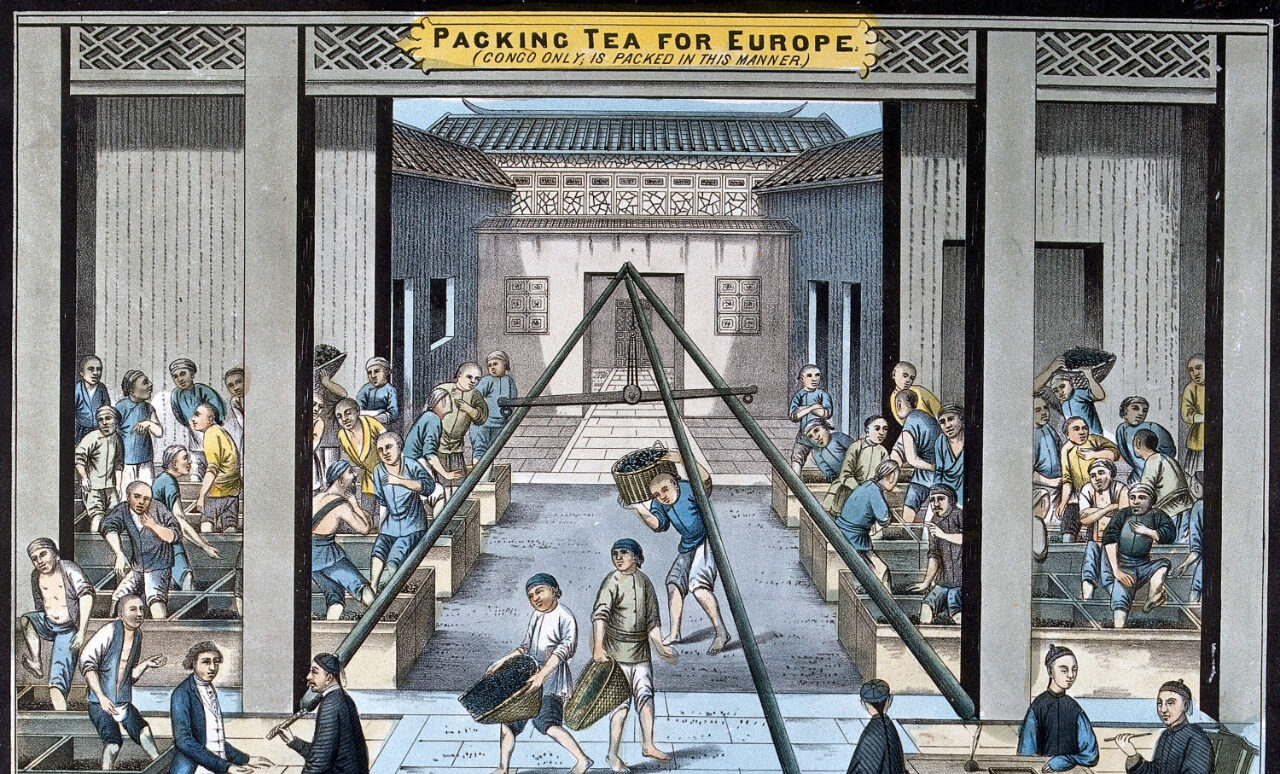

The argument that an artwork’s tangibility deepens the visceral understanding of its subject can be made by Hard Graft: Work, Health and Rights, curated by Cindy Sissokhko for the Wellcome Collection. The exhibition explores labour experiences across three distinct yet interconnected workspaces: The Plantation-turned-Prison system, The Street and The Home. It is thoughtfully organised to reflect the varying visibility of such work, from the sprawling colonial plantations to the often invisible realm of domestic workers. While every photograph, poster and painting contributes valuable insights, it is the tangible works – with their physicality and materiality – that most effectively capture the essence of labour. These pieces make the struggles and realities of workers painfully palpable, bridging the gap between abstract concepts and tangible experiences.
The multi-medium Money Makes the World Go Round (2024) by Lindsey Mendick, brings complex issues with The Street into clear focus by engaging multiple senses. The commission explores the global history of sex work through material elements such as ceramic money boxes, filmed sermons and stained glass windows, with each serving as a concrete representation of the lived narratives of sex workers. The ceramic money boxes substantiate the financial realities of sex work, while the stained glass windows and filmed sermons evoke the historical and ongoing acts of resistance through church occupations. By employing such physical forms, Mendick not only honours the struggles and resistance of sex workers but also makes their experiences and fight for recognition vividly perceptible, bridging the gap between conceptual debates and their concrete realities.
Moreover, this tangible quality is able to give a form to the physical repercussions of labour on the body. By using worn, weathered or raw materials, these pieces vividly represent the toll exerted on workers’ bodies, translating the abstract notion of labour’s impact into something readily perceptible. As part of The Home section, Shannon Alonzo’s Washerwoman (2018) offers a poignant look at the long history of unpaid and undervalued domestic work traditionally assigned to women. Inspired by an 1890 photograph of Jamaican washerwomen and crafted in her grandmother’s Trinidadian home, Alonzo’s sculpture features an actual metal washer basin, complete with water and white sheets. Using beeswax, resin and found objects, the piece vividly captures the harsh effects of soap and hot water on the washerwoman’s weathered hands. Her headless form and browning, decaying cotton garments emphasises the erasure of the occupation from the historical narrative of work. Through this tangible representation, Alonzo renders the invisible labour in The Home both profound and palpable, bringing their overlooked experiences into material reality.
Christina Yang
Image: Courtesy of Wellcome Collection
Hard Graft: Work, Health and Rights is at from 19th September 2024 until 27th April 2025. For further information or to book visit the exhibition’s website here.










Facebook
Twitter
Instagram
YouTube
RSS